Now and Then: Learning from American Rebellions

" . . . the tenants have organized themselves into a body, and resolved not to pay any more rent until they can be redressed of their grievances; and to carry the above resolution into effect, the tenants have pledged their honor and fortune even to the last extremity. The tenants now assume the right of doing to their landlord as he has for a long time done with them, viz: as they please." Anonymous letter, September 1839, warning the sheriff not to serve papers in the Helderbergs (Christman's Tin Horns and Calico).
When I started this project, I saw state history as an important component. Over thirty years ago, when I moved to Albany, NY, my job kept me so busy I didn't even feel like I lived in a state. I lived at work. Ensuing years brought child-rearing and then elder-care for two sets of parents. Our horizons expanded, but we still tended to run in small circuits. We gradually picked up on bits and pieces of our locale through art museums, state parks, nature centers, and our well-connected food co-operative.
Then the last of the elder generation passed, and the pandemic hit. We were suddenly, strangely, simultaneously liberated and limited. We couldn't go to most of our usual places, but we were no longer as restricted by needing to get home early for others. We took day trips to enjoy the outdoors. We began learning more about the lay of the land, it's natural and human history.
Having grown up in Iowa flatlands, I've loved exploring mountainous areas. The Catskills, especially, after years of only catching glimpses from elevated spots in Albany. And as recent posts have described, I've been intrigued to discover new-found nineteenth-century ancestors out in the county's hill towns. The Wilseys farmed near the Helderberg escarpment, not far from where we've long picked apples and visited a nature center with our kids. Coincidentally, we live in Albany's Helderberg neighborhood.
As I deepen connections to this place, a compelling question has arisen: how did my ancestors regard the Anti-Rent Rebellion? Sometimes called the Helderberg War, it was a surprisingly sustained rent-strike against patroonery—manorial-style landowners. It started in early 1839, when a group of tenant farmers of the West Manor of Rensselearwyck requested a meeting to negotiate with their hereditary landlord. He basically ignored them. I talk about this in more detail here:
 Ruth Ann Smalley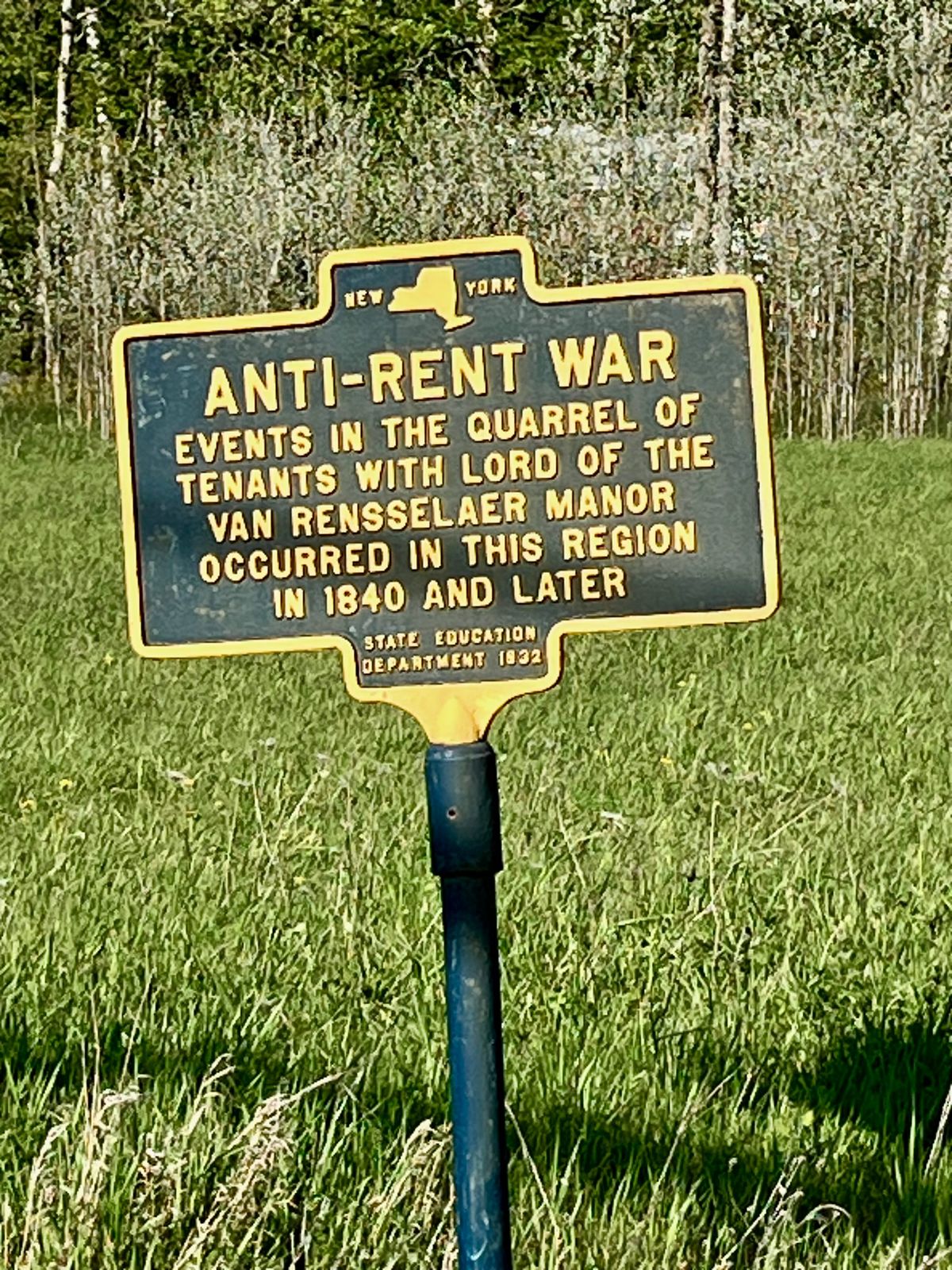
Multiple forms of resistance followed: farmers and supporters organized, held rallies, created popular protest music (lots and lots!), lobbied politicians, and influenced elections. Protestors also formed masked militias, both to exert pressure to maintain the strike, and to protect farmers from property seizures and evictions. The most intense phase of the Anti-Rent Rebellions occurred in the 1840s, but disputes continued right through the Civil War and beyond.
The Wilseys farmed at the epicenter of the conflict. How did they feel about it? Were they intimidated into solidarity by masked neighbors, or were they on the front lines of the campaign? A rebellious Wilsey showed up in Christman's book, Tin Horns and Calico, but he was from a Bern branch that I hadn't found clear connections with.
Locating my ancestral Wilsey homestead in Westerlo, complete with a family cemetery, was a major development. It made these lives and times feel more real to me:
 Ruth Ann Smalley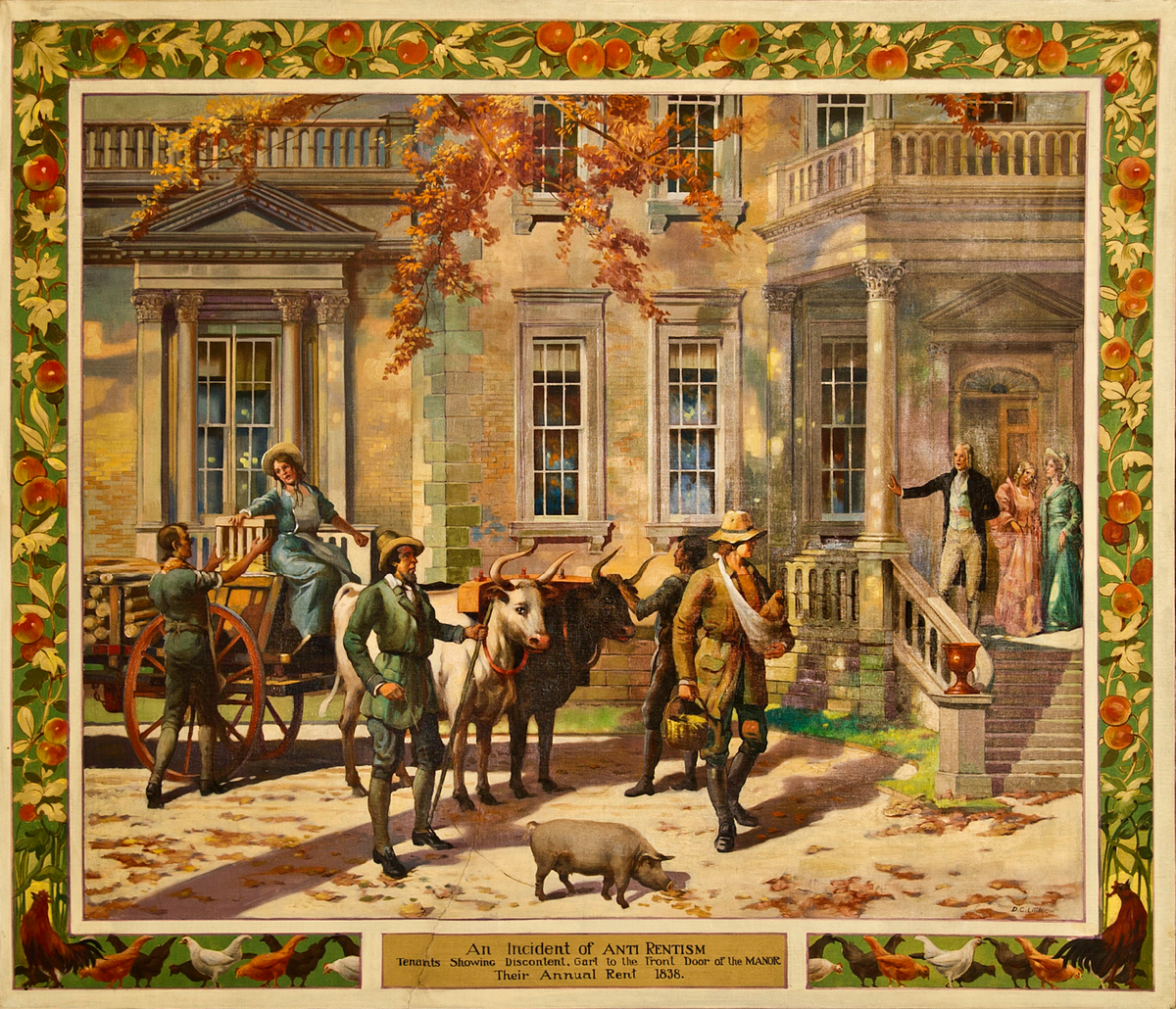
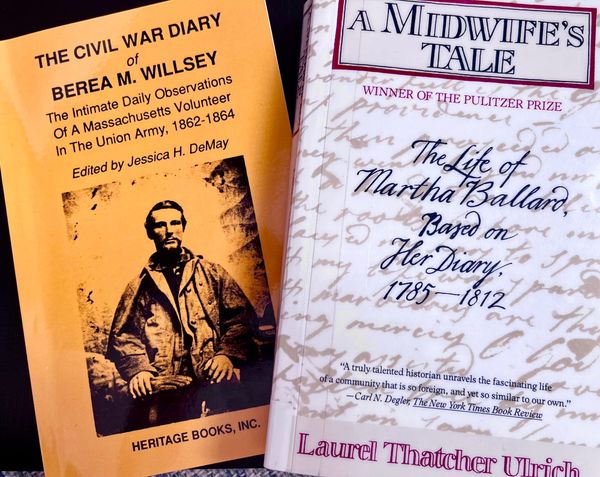
The same with discovering a cousin's Civil War diary. See this post:
 Ruth Ann Smalley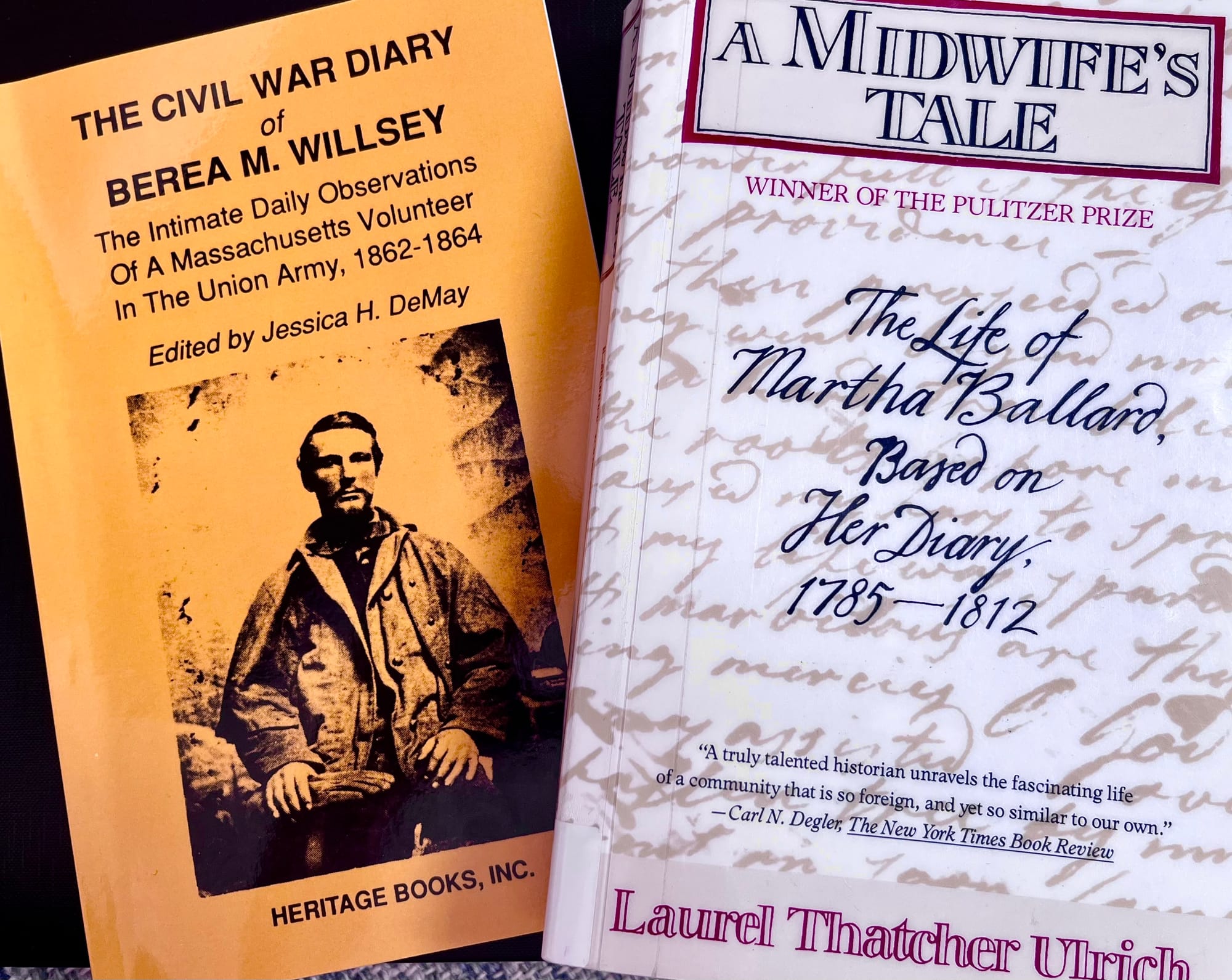
I've been hoping to find documentary evidence, such as a list of participants in Anti-Rent associations or conventions. So, this week I went to the New York State library. It was another case of experiencing the new within the familiar: it's housed on the 7th floor in the same building with the state museum we've visited since our kids were little.
But I'd never ventured above the third floor. When I finally did, I encountered a Russian doll-like environment of nested meanings: past and present, personal and public, cityscape and countryside.
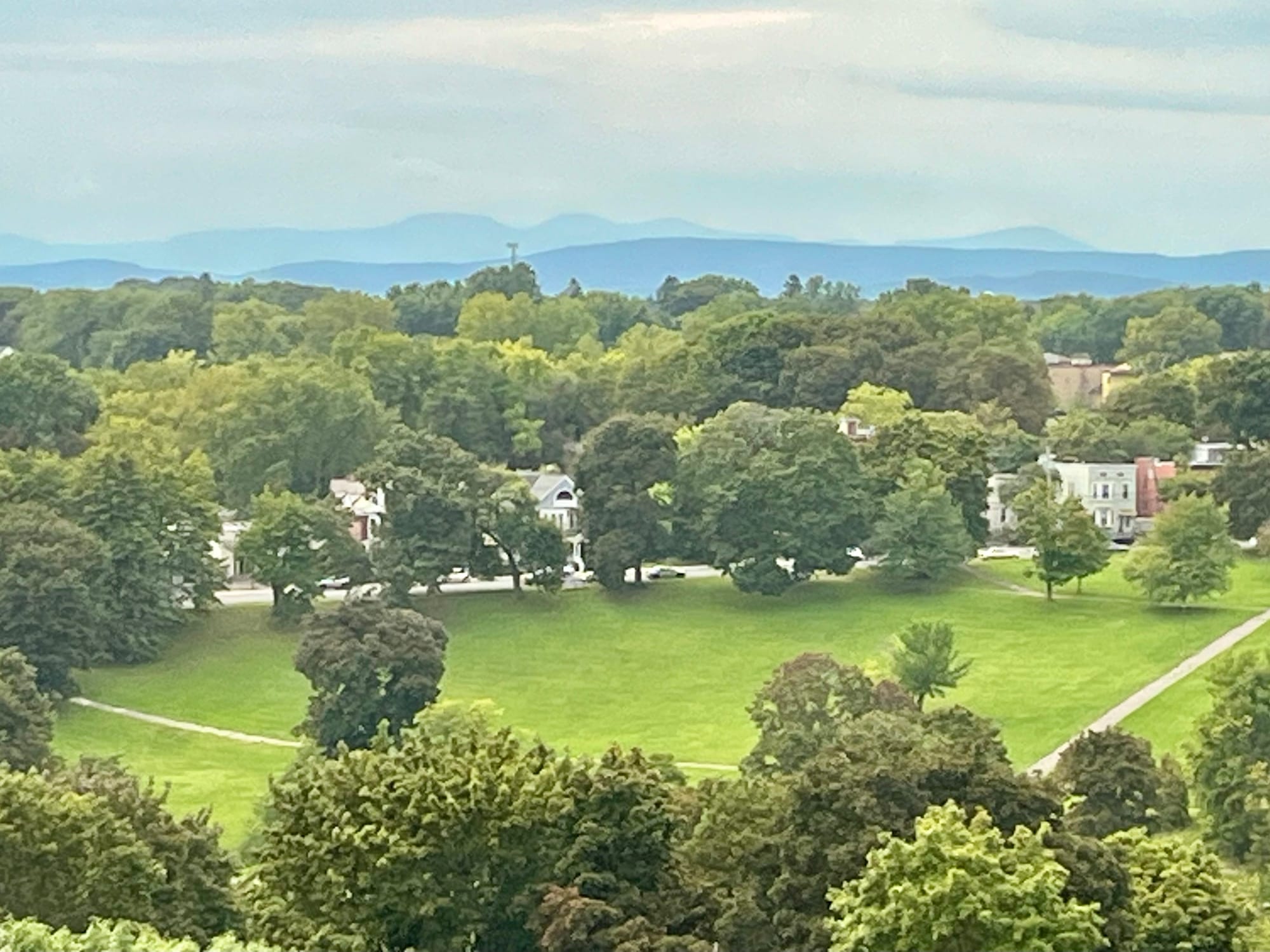
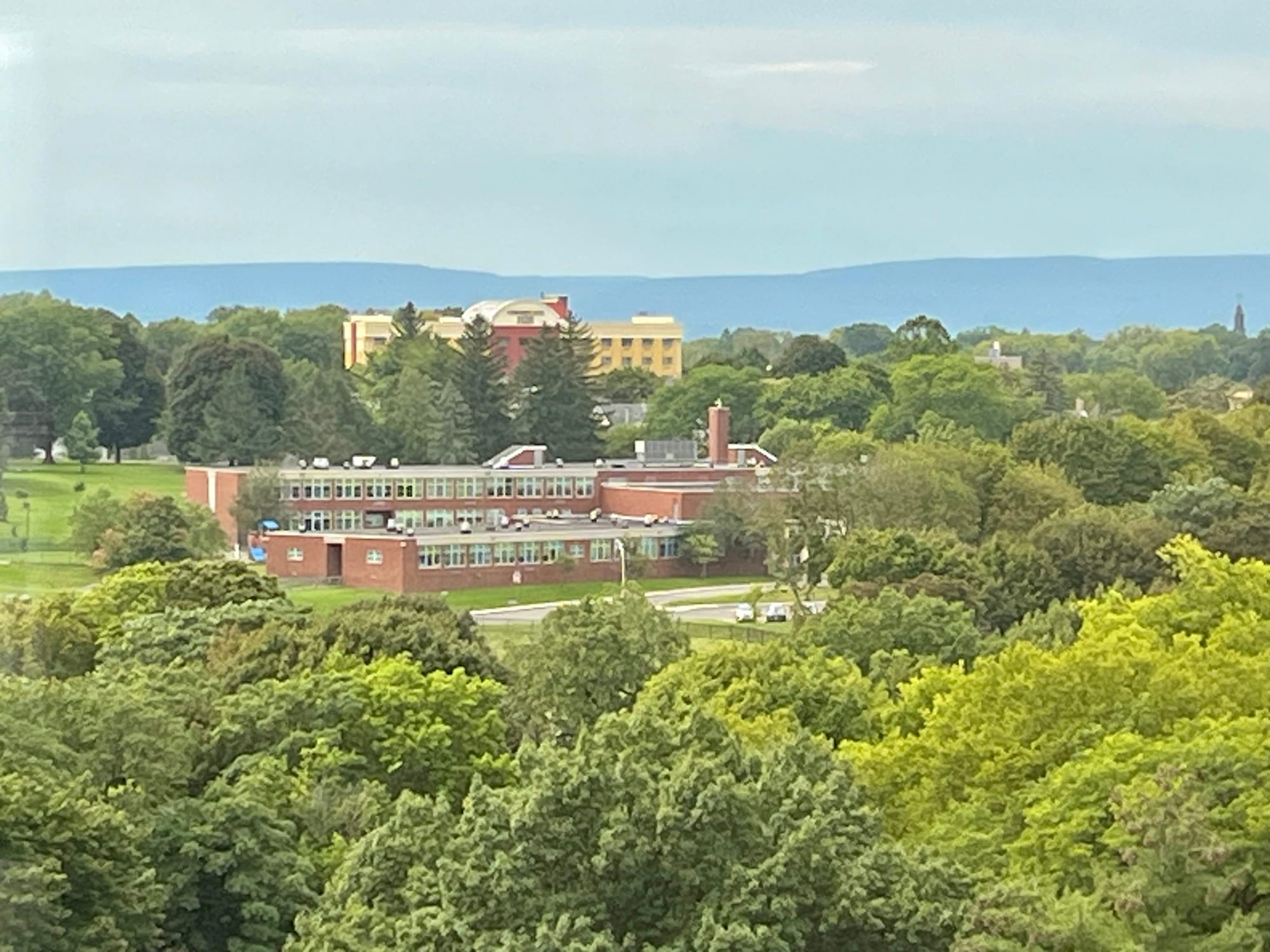
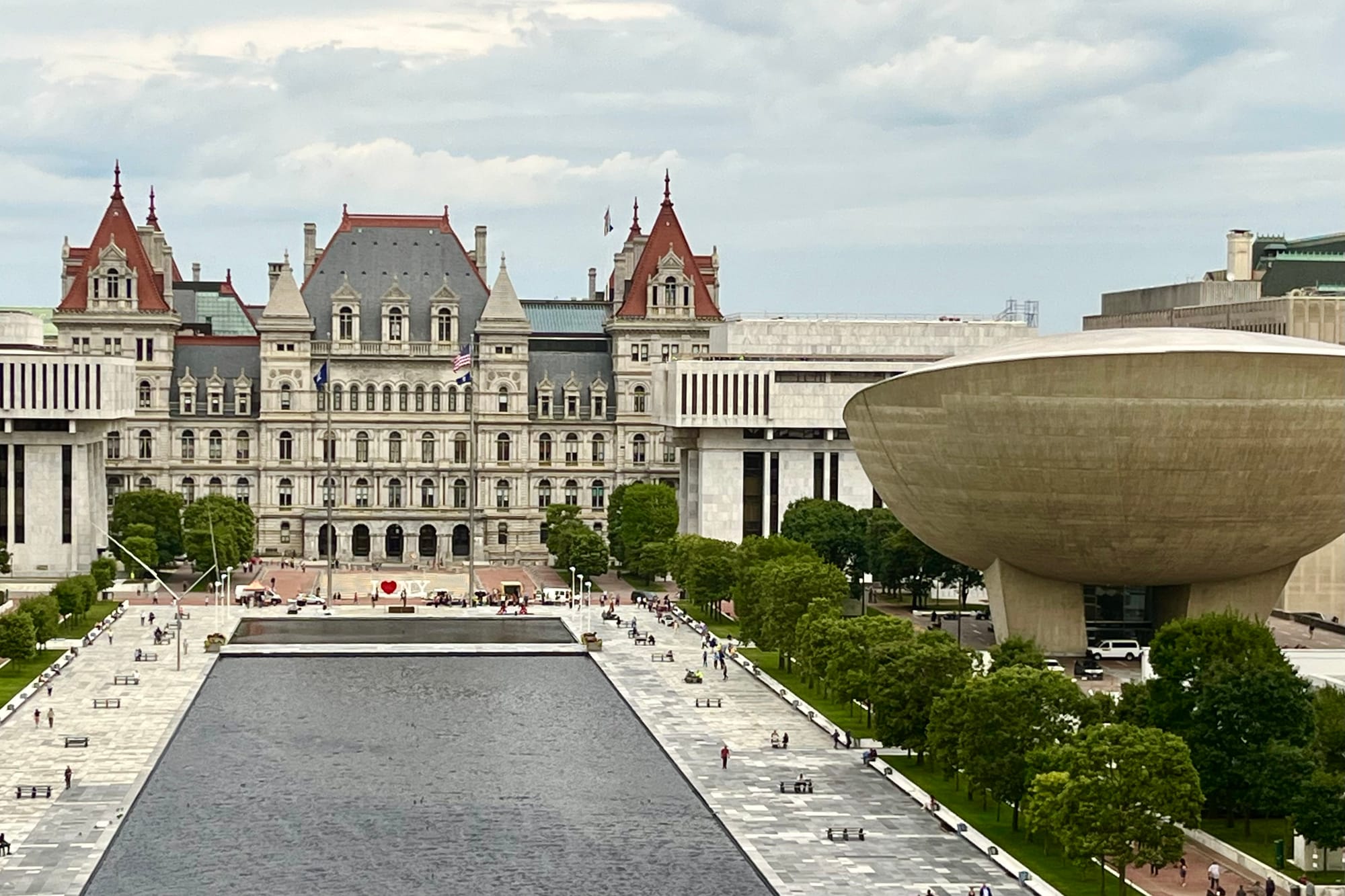
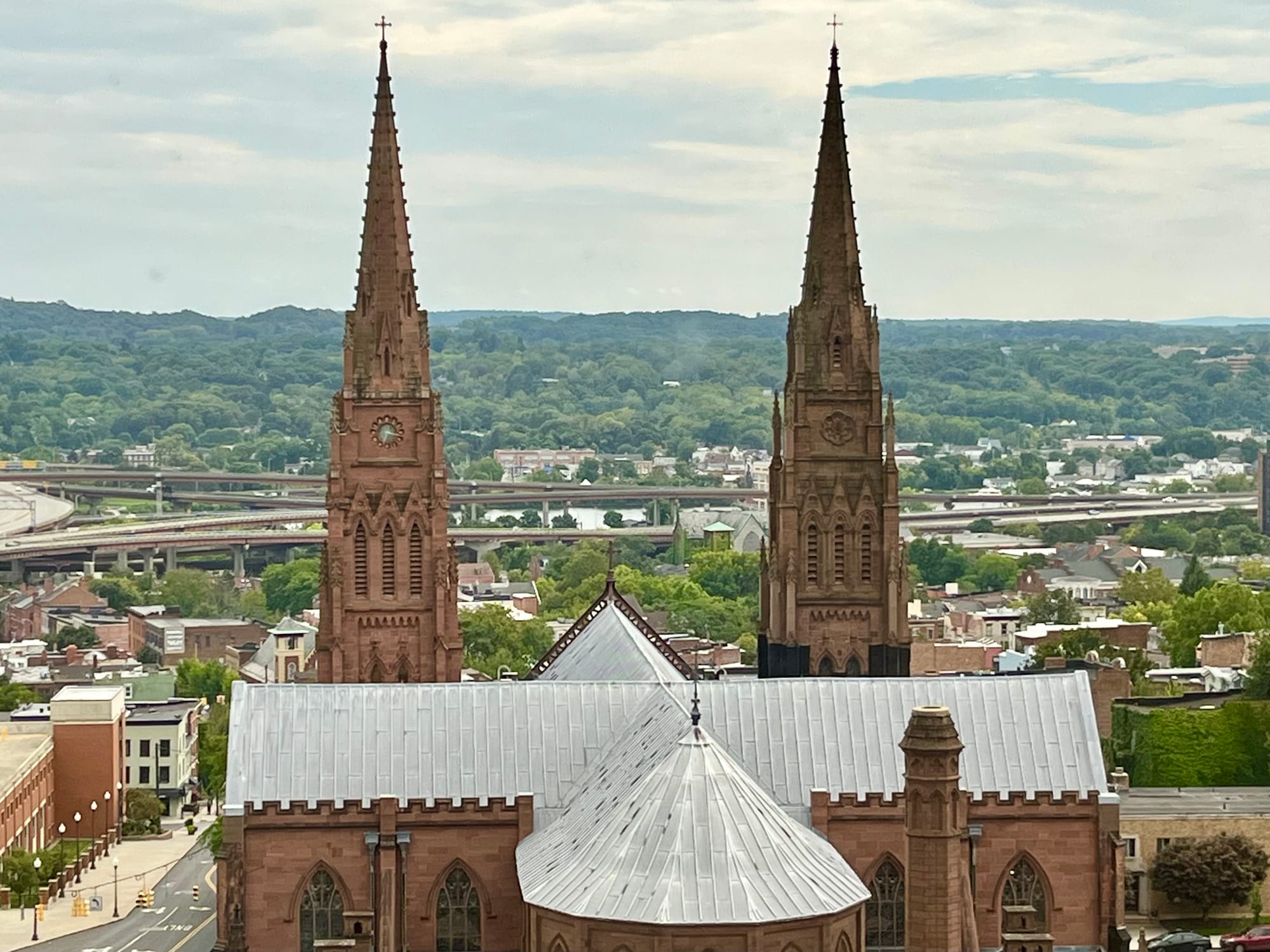
Panoramic views from the New York State Library today. Top left, the Catskills in the distance. Top right, the Helderberg Escarpment. Lower left: Albany's Capitol. Lower right: view towards the Hudson River, through the spires of the Cathedral of the Immaculate Conception.
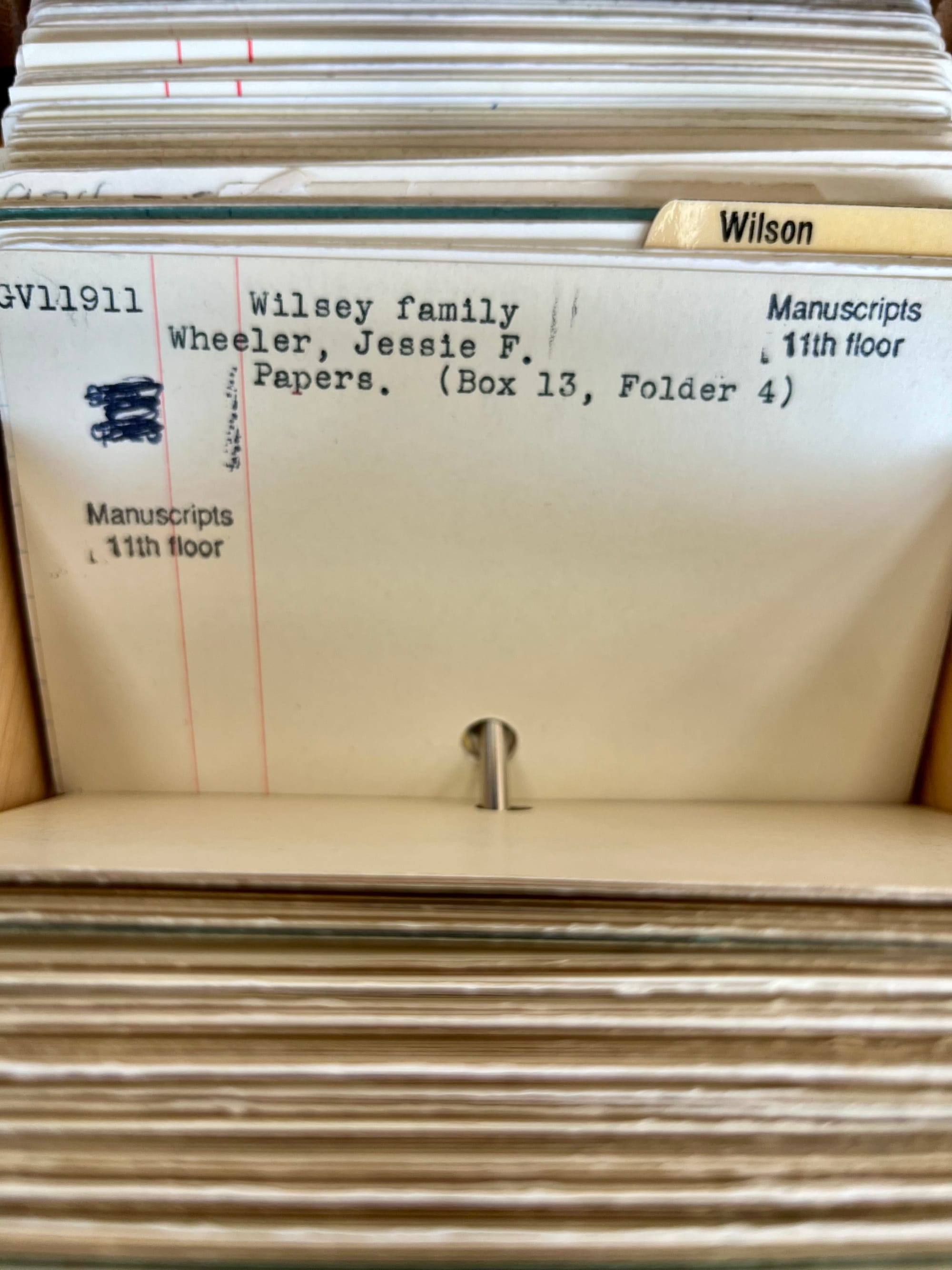
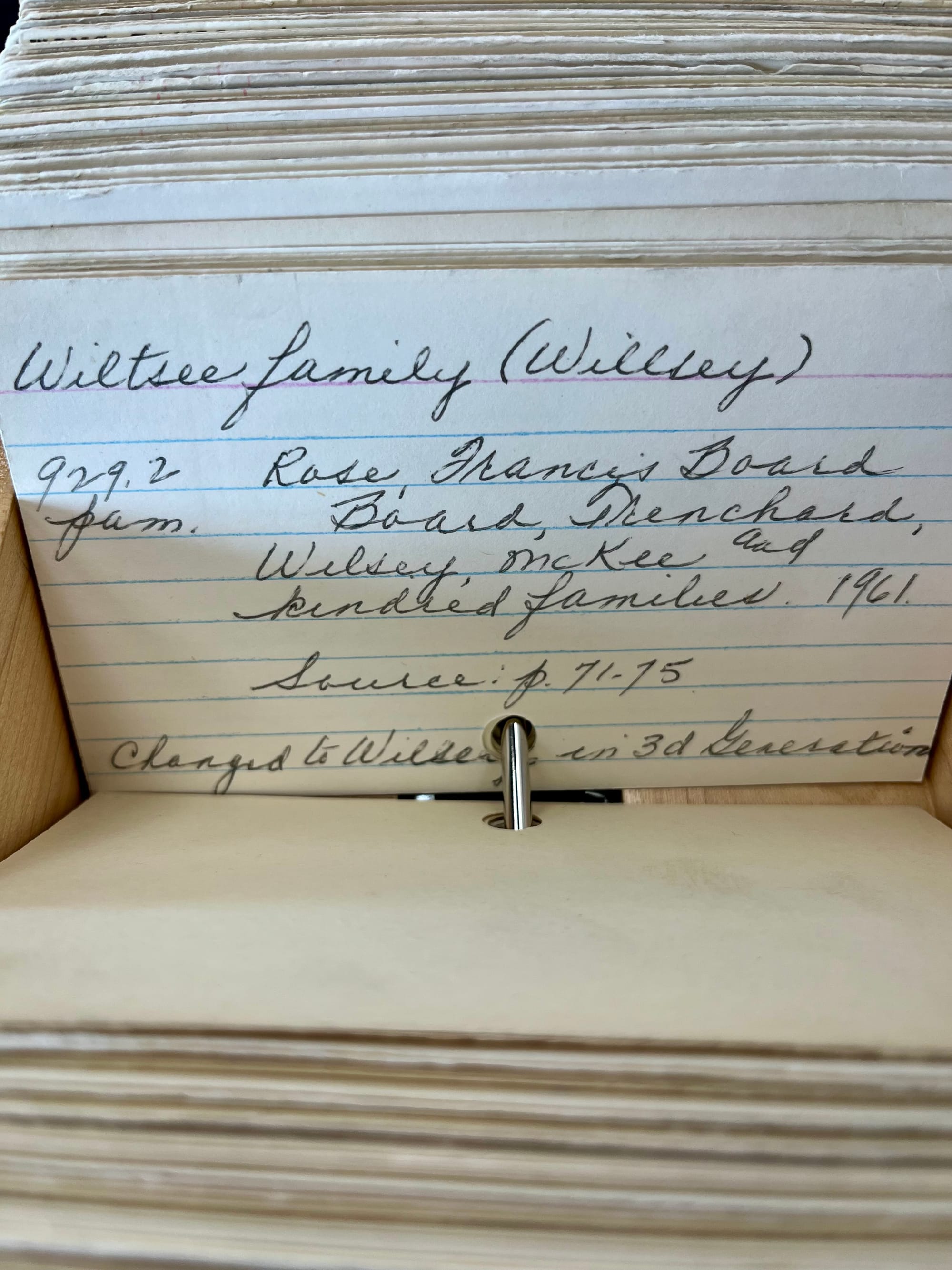
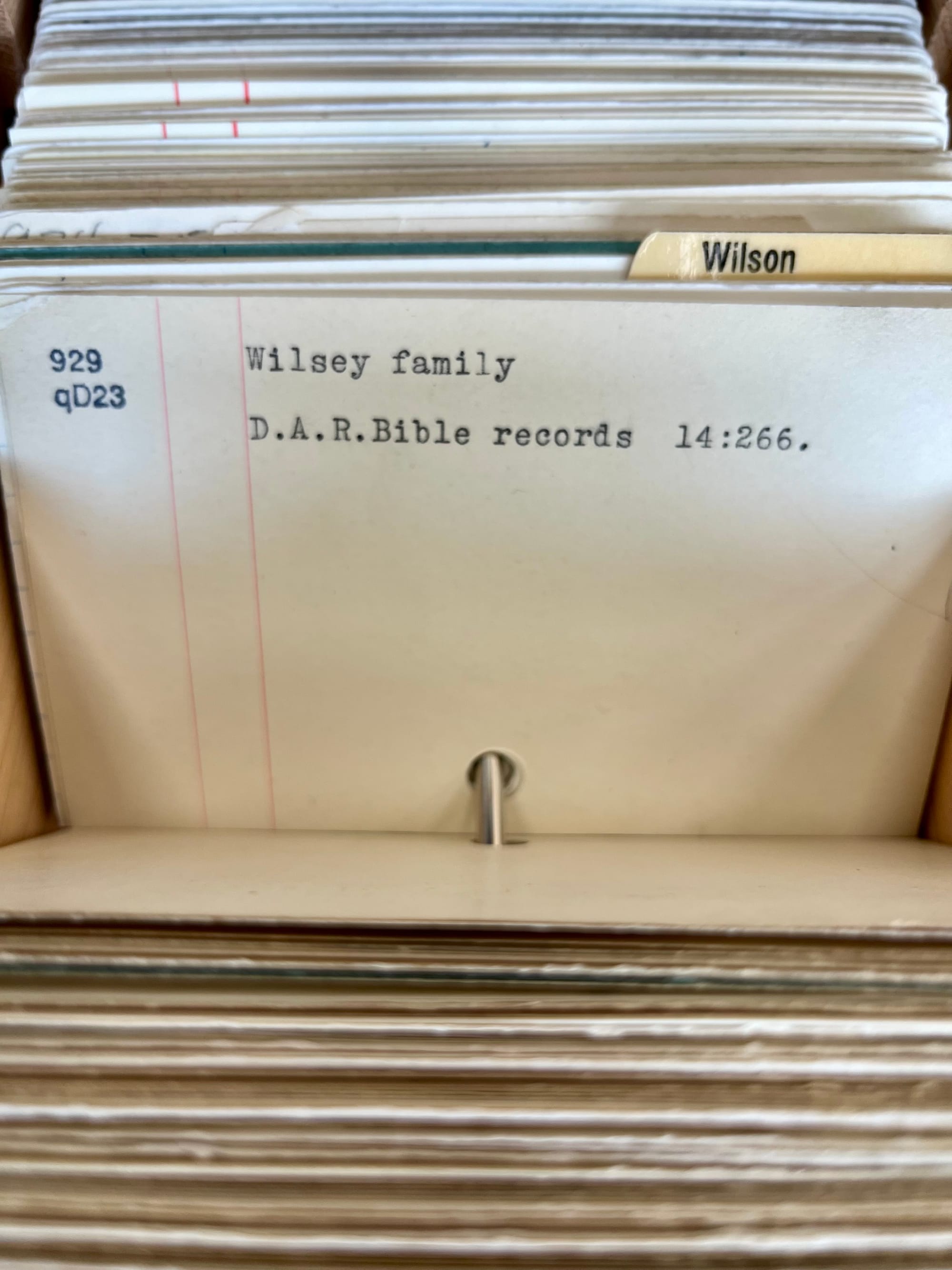
Soon, I was unexpectedly interacting with a card catalog, after how many years? That contained several clues for a future visit.
Will they lead to the right Wilseys, given their huge families and multiple name spellings? I don't know, but it's a first taste of the excitements and challenges so familiar to historians and genealogists.
My focus for this visit, though, was accessing the Albany Argus newspaper, from 1839-1840. The reference librarian stared at the computer for long moments, making doubtful noises and making me anxious. Apparently some files were in a warehouse where asbestos had been discovered.
After the desired microfilm was safely obtained, I had an embarrassing struggle using a microfilm reader for the first time. I don't even want to admit how long it took me to figure out what was amiss. Like skipping a step threading a sewing machine, I'd loaded the tape reels correctly, but didn't slip the film under the glass slide! Luckily, I didn't damage anything.
The final minutes on my parking meter were ticking down when I found the coverage I was looking for. The article included the names of twenty-seven tenant farmers who made the trip to see Stephen Van Rensselaer IV, the new patroon. He sent them away, telling them to put their demands in writing. By July 4, 1839, they sent him their own Declaration of Independence; by December 6, he publicly dismissed them in this announcement in the Albany Argus.
I was holding my breath when I scanned the representatives from each town's committee. There, on that blotchy reproduction of a 187 year old news item, I found Ezekiel Willsey from Westerlo.
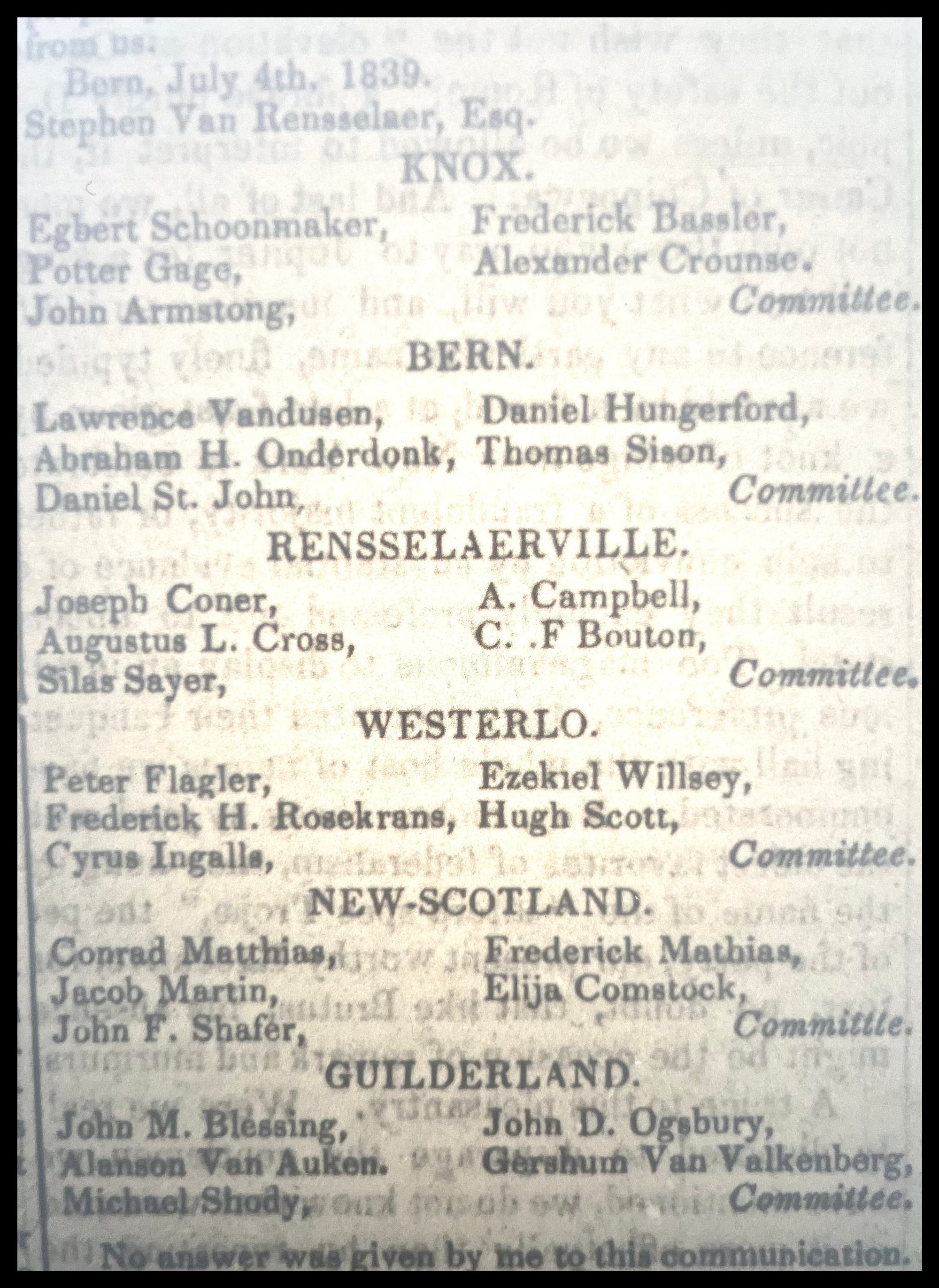
If this is the Ezekiel I think it is, he's my ancestor Eliphalet's younger brother. Eliphalet decided to try his luck in the west by that point, but Ezekiel, aged 42, stayed put for the fight. He seems to have done well enough: by the 1870 Westerlo census he's a retired farmer, with a real estate value of 3,000 and a personal estate of 2,450.
There for the duration, Ezekiel may have felt "wedded to the soil," just as the anti-rent song, "Lay Down the Musket," presented it:
Lay down the murderous musket, / Put by the glittering steel, / We ask the rights of freemen / And to freemen we appeal.
A weapon far more potent / The ballot box shall yield, / It is the only weapon / A yeoman's hand should wield.
We ask no princely favors— / We ask for this alone— / The rightful boon of freemen, / A spot to call our own.
Would you bid us leave these valleys, / And on the prairies west / Erect our humble hamlets, / To be with freedom blest?
When up our mountain streamlets / And o'er these hills we rove, / We trace our fathers' footsteps / Amid the scenes we love.
'Tis here their graves are scattered, / How were they wont to toil, / And by these sacred memories / We are wedded to the soil.
And you, the princely owners / Of this rich and wide domain / What boots it longer proudly / To regard us with disdain?
We envy not your riches, / Though increased an hundred fold, / but why are landed titles / Preferred to shining gold?
No gift however humble / We are asking at your hand. / We ask the rightful purchase / Of the freehold of our land.
We ask the glorious privilege / By every honest will / Of gaining independence / And wooing fortune's smile.
We ask no princely favors, / We ask for this alone, / The rightful boon of freemen, / A spot to call our own. ( Albany Freeholder, qtd in Christman, 342)
". . . a generation of people lost their faith in the capacity of republican self-government to right admitted wrongs" (McCurdy, 317)
It will take more work to ascertain how the Wilsey family's anti-rent activities impacted their farming conditions from the 1840s on. I'm also interested in how their ideals about freedom and land ownership meshed with the Civil War service of their sons. Ezekiel's son Edgar, like his cousin Berea, served in the Army of the Potomac for three years.
These sons and grandsons of Helderberg farmers returned home to witness rent-striking families still being evicted. In 1865, five years after a sheriff ejected farmer Peter Ball's family and their anti-rent neighbors swiftly moved them back in, a land speculator named Walter Church had become the new landlord. To ensure this ejectment was final, Church sent the state militia.
In The Anti-Rent Era in New York Law and Politics, 1839-1865, Charles McCurdy writes:
"For anti-renters it seemed perverse that the same New York soldiers who helped to destroy chattel slavery in the southern states would invade the Manor of Rensselaerwyk, throw some victims of 'voluntary slavery' out of their homes, and compel others to fulfill the obligations of 'feudal servitude interminable.' For the New York authorities, on the other hand, it seemed natural to crush Anti-Rent rebels who defied state law just as the Union army had crushed Confederate rebels who defied federal law." (316)
With thought-provoking implications—past and present—McCurdy notes:
"It demonstrated the power of contract, backed by the state's legitimate monopoly of force, to overwhelm communities, tear apart lives, and suppress land reform aspirations that had once pervaded the New York body politic."