Land Lust and Land Loss

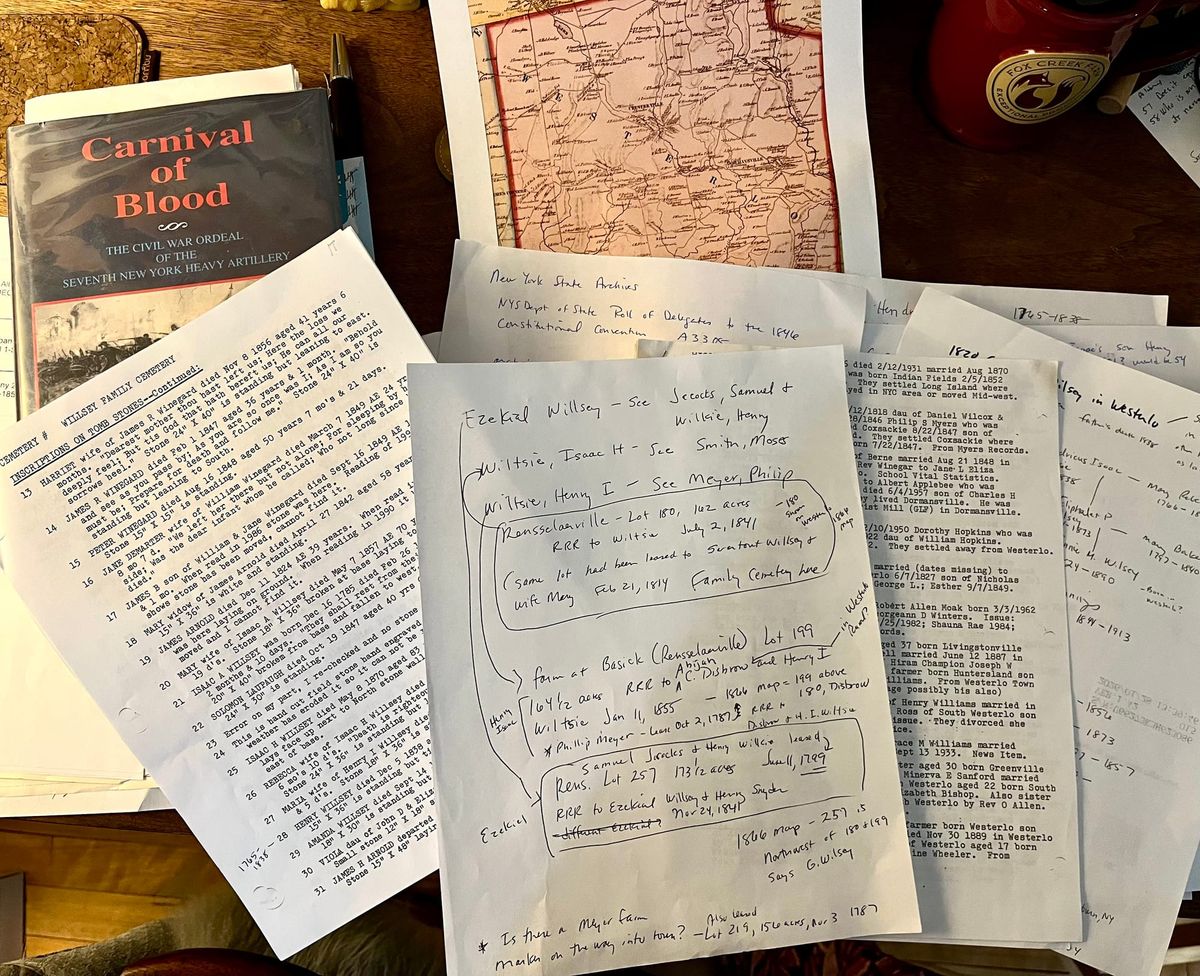
This week marks my 75th post. I'm realizing it'll require more than just the next two years to understand the numerous throughlines that have led the United States to this dangerous juncture.
Here's how my desk looks right now. I'm following several lines of inquiry about who my upstate New York Dutch immigrant ancestors were; what their relationship was to the farms they rented from a semi-feudal landlord into the 1800s; and how they were involved in the Revolution, the Anti-Rent War, and the Civil War.
Basically, I've only scratched the surface. This focus takes in the first hundred or so years out of the two hundred fifty, and of course, all the lead-up to 1776 is important, too.
It's been a helpful exercise to take the messy pile on my desk each week and craft it into something (hopefully) more orderly. The process also helps me figure out additional actions for responding to the political situation. I feel fortunate that my circumstances allow me time to channel my dismay and anger into a meaningful form:
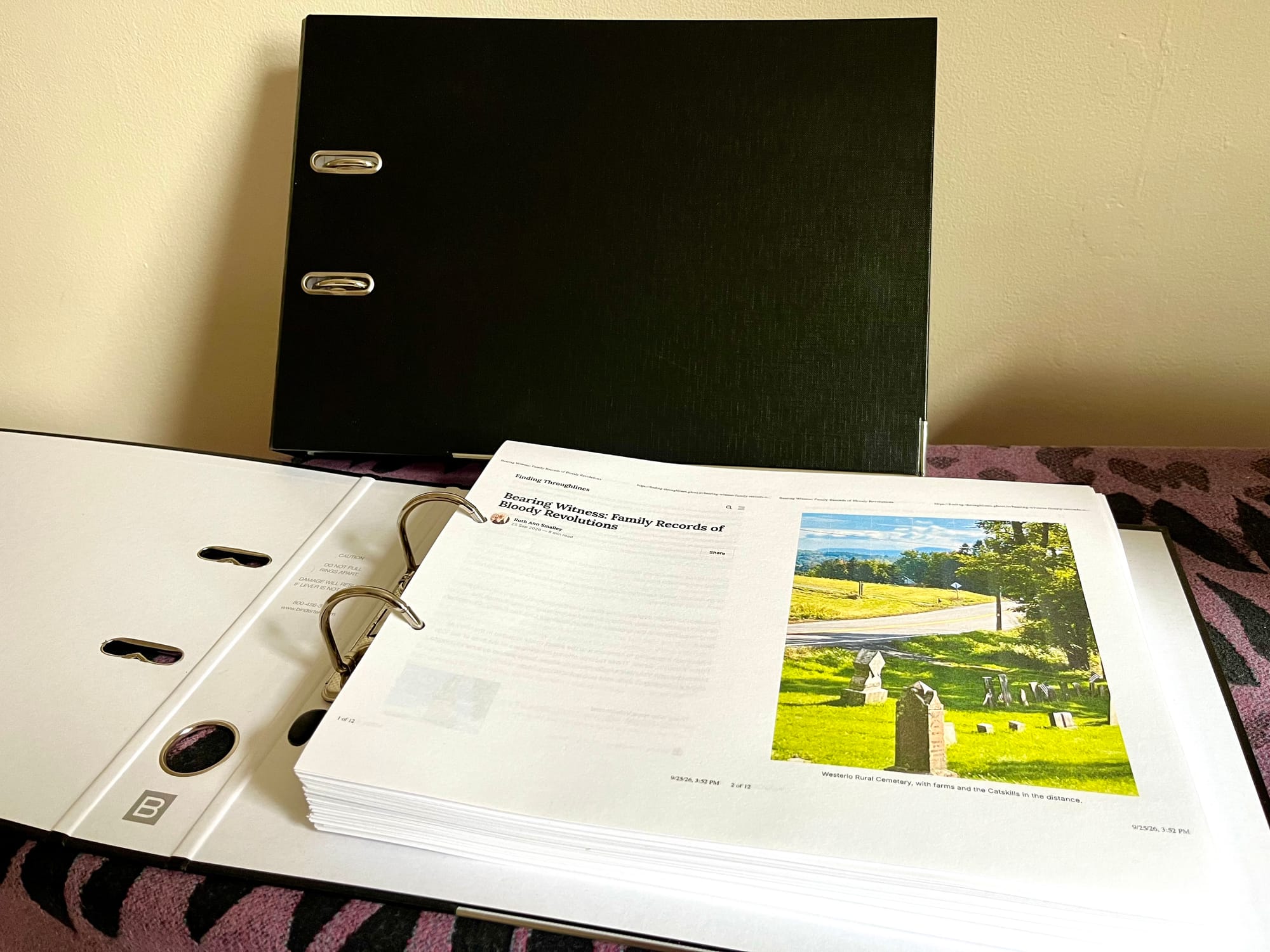
In itself, the research is intensely interesting, challenging, and often emotionally uncomfortable. I'm still learning how to pace things so as to avoid overwhelming myself, or my potential readers. I'm not too sure I'm managing the latter—maybe you can let me know.
This week I've been looking at land records online. A trip to the courthouse in search of deeds is probably the next step.
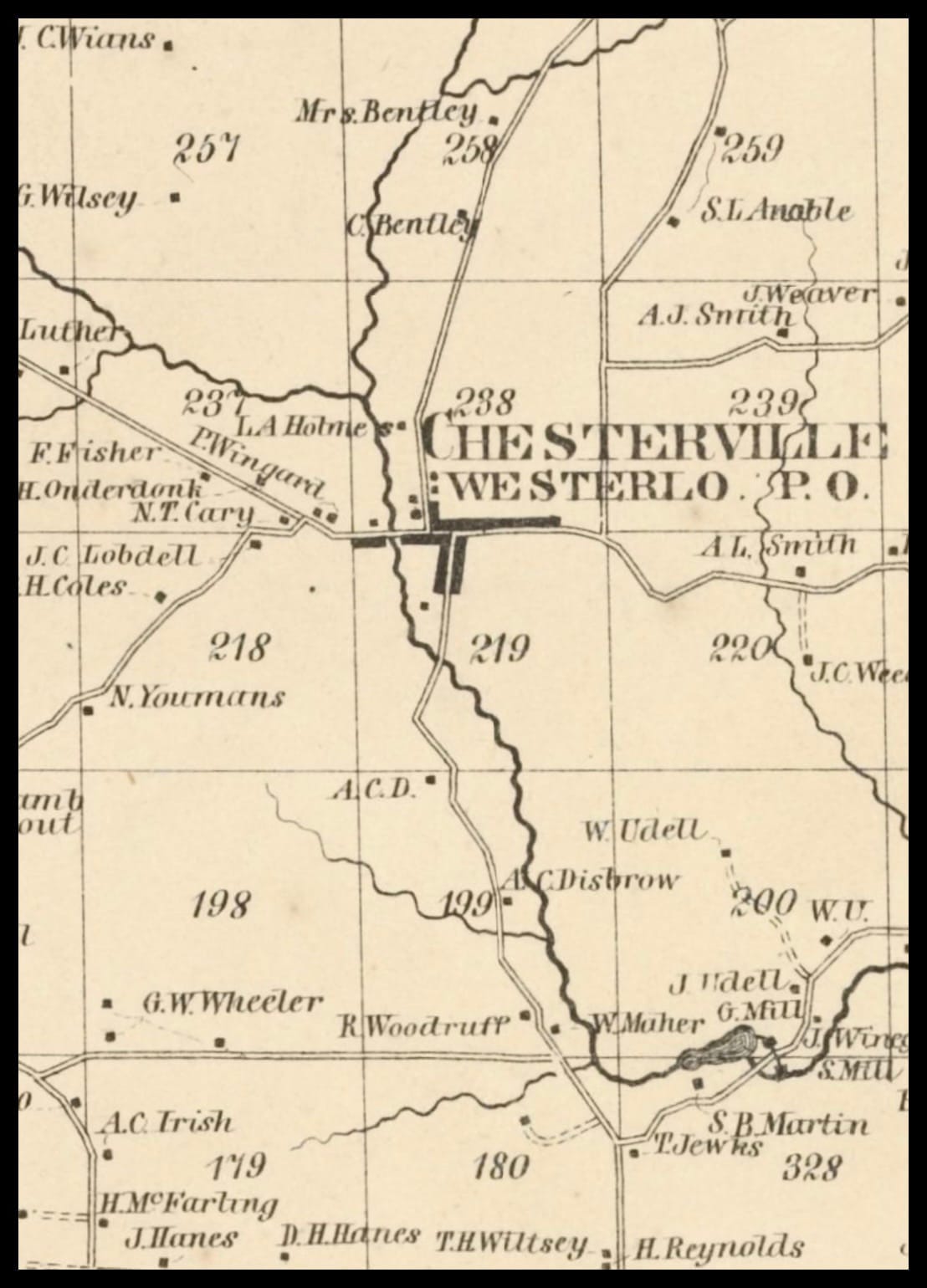
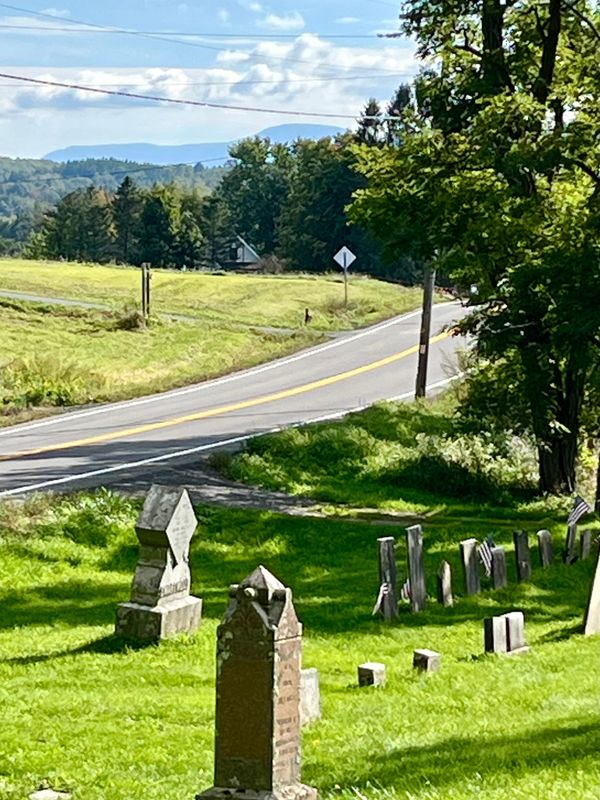
According to this 1866 map, my relatives were farming on plots 180, 199, and 257, perhaps alongside other renters. The Van Rensselaer Manor records refer to family members leasing parts of these farms as early as 1799, some land changing hands within the family in 1814, or being accessed later, in 1855. Plot 180 is where the family cemetery is located.
I have no idea whether the Wilseys finally managed to purchase these farms, or whether they ultimately refused the landlord's terms and relocated, as did many others at that time. The family name is certainly widespread across the whole country now, indicative of that larger American story enabled by the Homestead Act of 1862.
That is the next subject I need to learn about. Not only because it is a huge deal, but because I suspect my knowledge gap has had a misconception attached to it. When I was taught about the German term, lebensraum, it was presented as Hitler's motivation, a Nazi rationale for expansion through warfare. But Hitler didn't think this up, a geographer did.
According to the United States Holocaust Memorial museum, the word was coined in 1901 by Friedrich Ratzel:
"Ratzel argued that the development of a people was influenced by their geographic situation, and that a society who effectively adapted to one geographic territory would logically expand the borders of their country into other territory. Pointing to the British and French Empires and to American “Manifest Destiny,” Ratzel contended that Germany required overseas colonies to relieve German over-population. The East presented another logical outlet for growth."
For Germany, it was the East, but we prefigured it with our West. How convenient for twentieth century Americans, to represent lebensraum to ourselves as a bad idea our enemy came up with.
Our new nation's land hunger has been with us from the start. I've already written about the scorched earth campaign ordered by George Washington against the Iroquois nations in New York and how that facilitated the move west by one branch of my family:
 Ruth Ann Smalley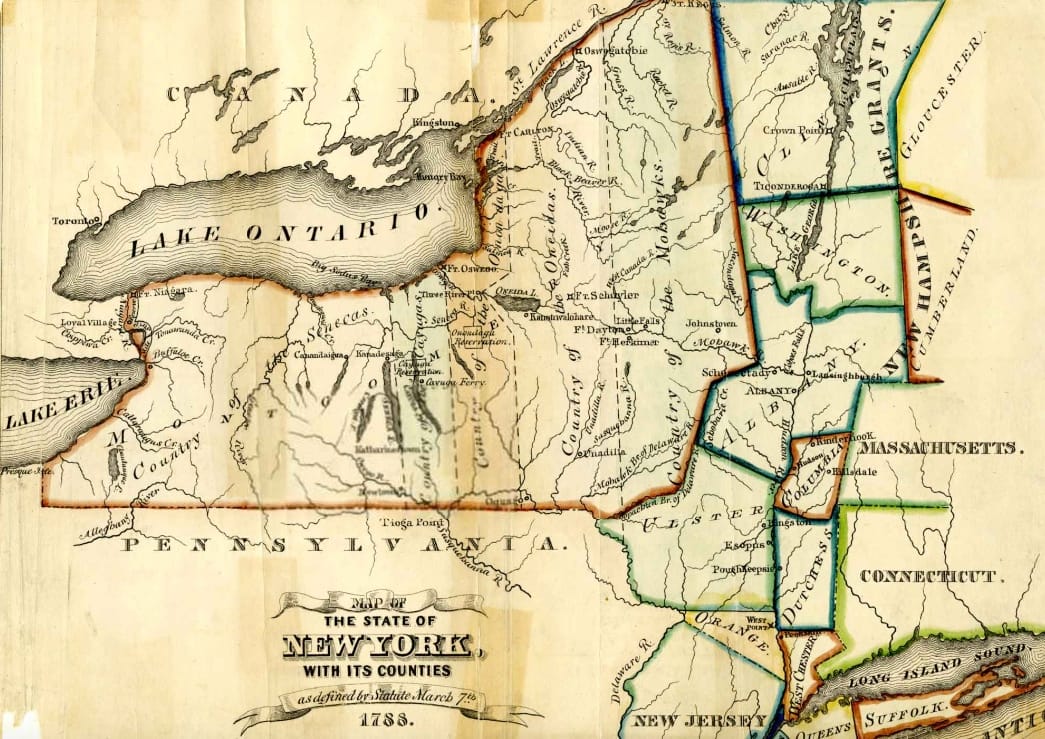
National efforts to rebrand our land grabs were also launched early. These could be called a largely successful marketing campaign, at least for the intended audience of white settlers and their descendants. This campaign may have become more subtle, until quite recently, but I don't think it ever stopped.
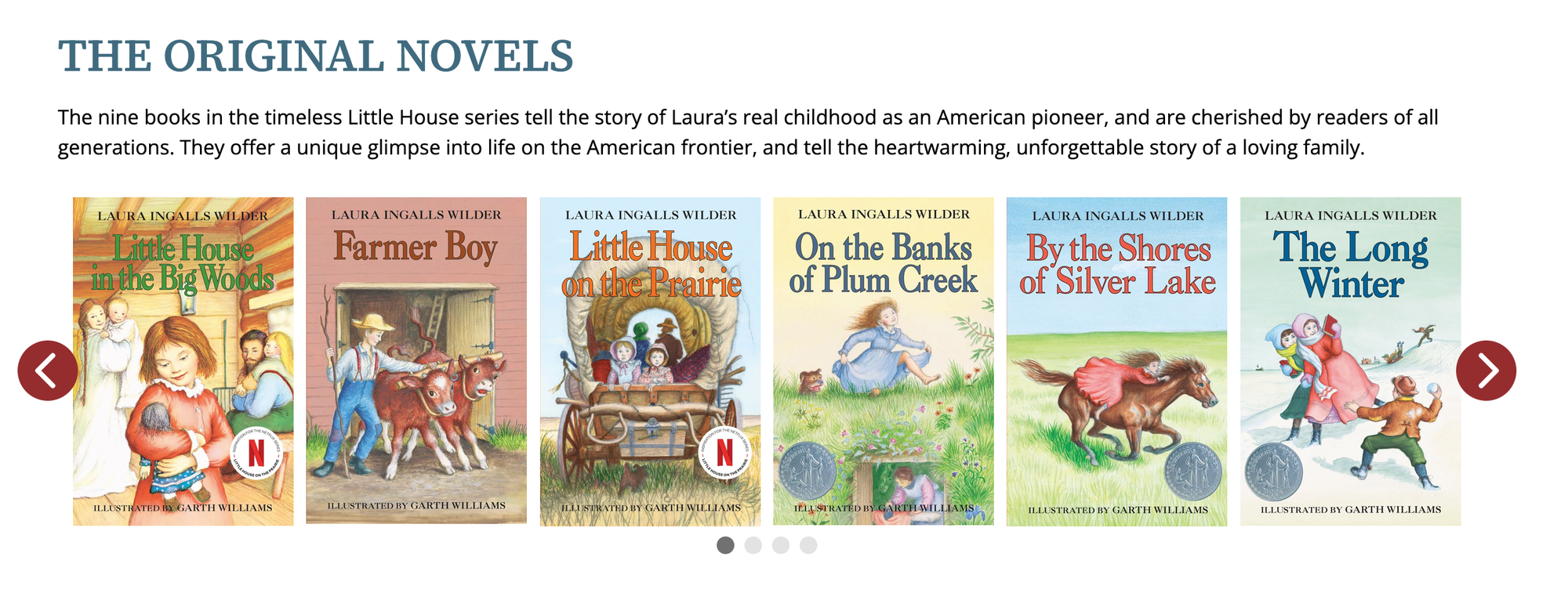
For example, as late twentieth-century children in Iowa, my classmates and I were inculcated with a positive view of our heritage, through the fictionalized history offered by Laura Ingalls Wilder's Little House books. Those stories obscured the outright land lust—the rapacious quest to gain property by any means possible—that drove many settlers, speculators, railway companies, and the government.
Though Wilder's books have received modern critiques, evidenced by the American Library Association's decision to remove her name from a book award title, they are still beloved by many (see https://www.npr.org/2018/06/25/623184440/little-house-on-the-controversy-laura-ingalls-wilders-name-removed-from-book-awa).
Here's how Harper Collins markets them today:
I have much more to learn about the role that land and property policies have played in shaping this country and its power structures. If you know of good books dealing with this topic, please share titles!
In the meantime, I've deliberately kept this post shorter than usual, to encourage you to click through to my site and find another post you may have missed. Maybe even last week's, or this one, which my rudimentary analytics dashboard indicates have had fewer readers than some others:
 Ruth Ann Smalley
Again, thank you so much for following along on this journey, and as always, I'd love to hear from you!