Refusing to Surrender: Democracy is an Unfinished Story

Picture the same year, in two rural landscapes divided by the Atlantic ocean.
Ireland, 1839: William Gray, my great-great grandfather, is born in Ireland, near Ballyjamesduff. One of five children, William helped his family grow grain and raise geese. The farm's soil was so poor, his son later recounted that two fish had to be planted with every seed.
Albany, New York, 1839: Stephen Van Rensselaer III, called the "Good Patroon," dies in his manor house. His will sets off a chain of events, reverberating across 11 upstate counties, and eventually, the country.
My ancestors were Van Rensselaer tenants. The family of Henry Isaac and Maria Rebecca Jaycox Willsey farmed plot #180 in Westerlo. There's shale below the grassy surface, perhaps similar to Catskill land which farmers joked had "two rocks for every dirt" (Jennifer Kabat, Eighth Moon). Henry predeceased Stephen III by a year, and was buried on the farm. But Maria would live through the most tumultuous events of the ensuing Anti-Rent Wars.
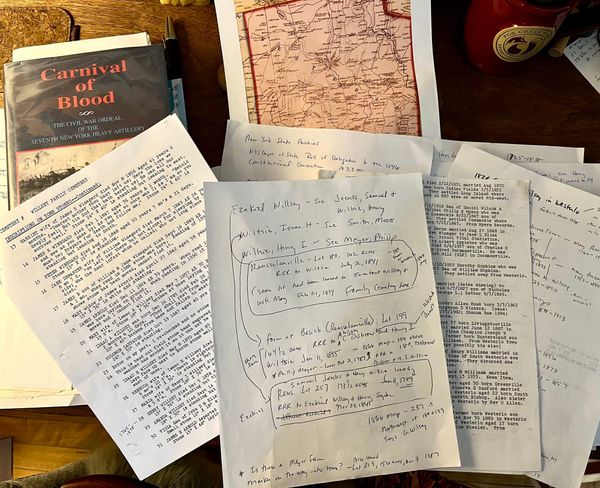
This information is new and marvelous to me as I piece my story together. I don't know when the family started leasing this land, or whether they participated in the meetings, rent strikes, or militias. Their son Eliphalet, my great-great-great-great-grandfather, left the area with his wife and children. The 1840 census counts them in Ashtabula, Ohio. Many adult siblings stayed, ultimately buried along with spouses on the same farm: Isaac, John, George, Henry and Amanda.
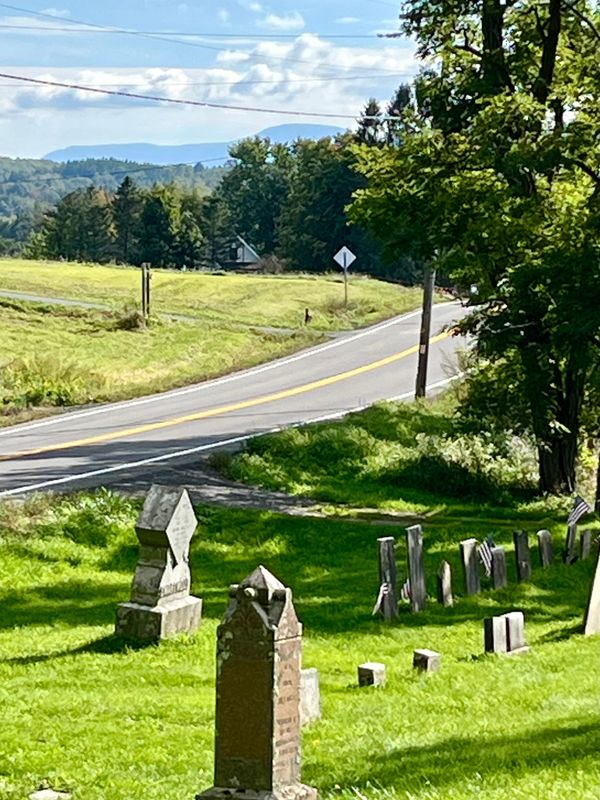
This week, I visited that pasture plot where Willseys and many neighbors lie buried. It holds more than 50 graves.
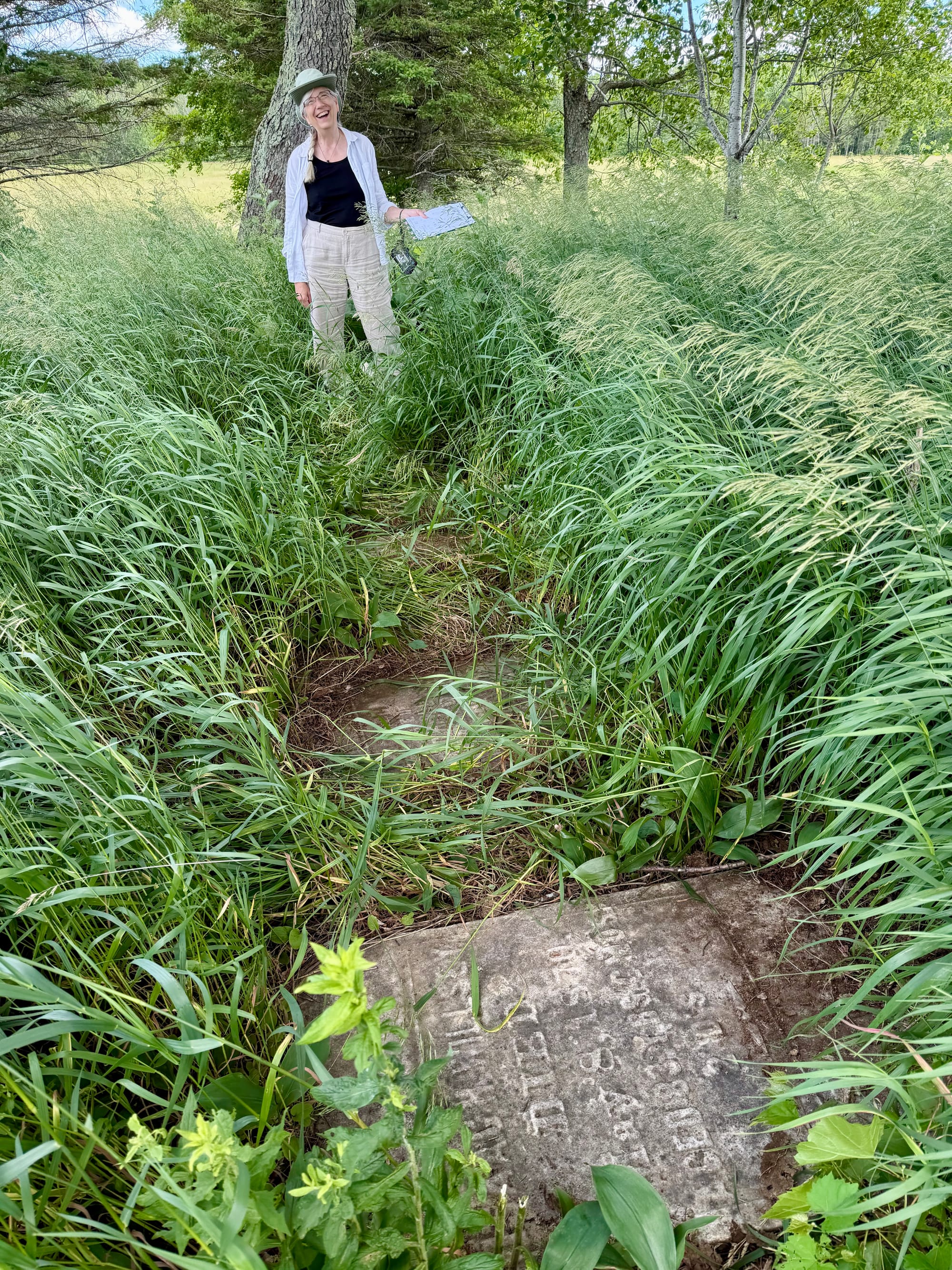
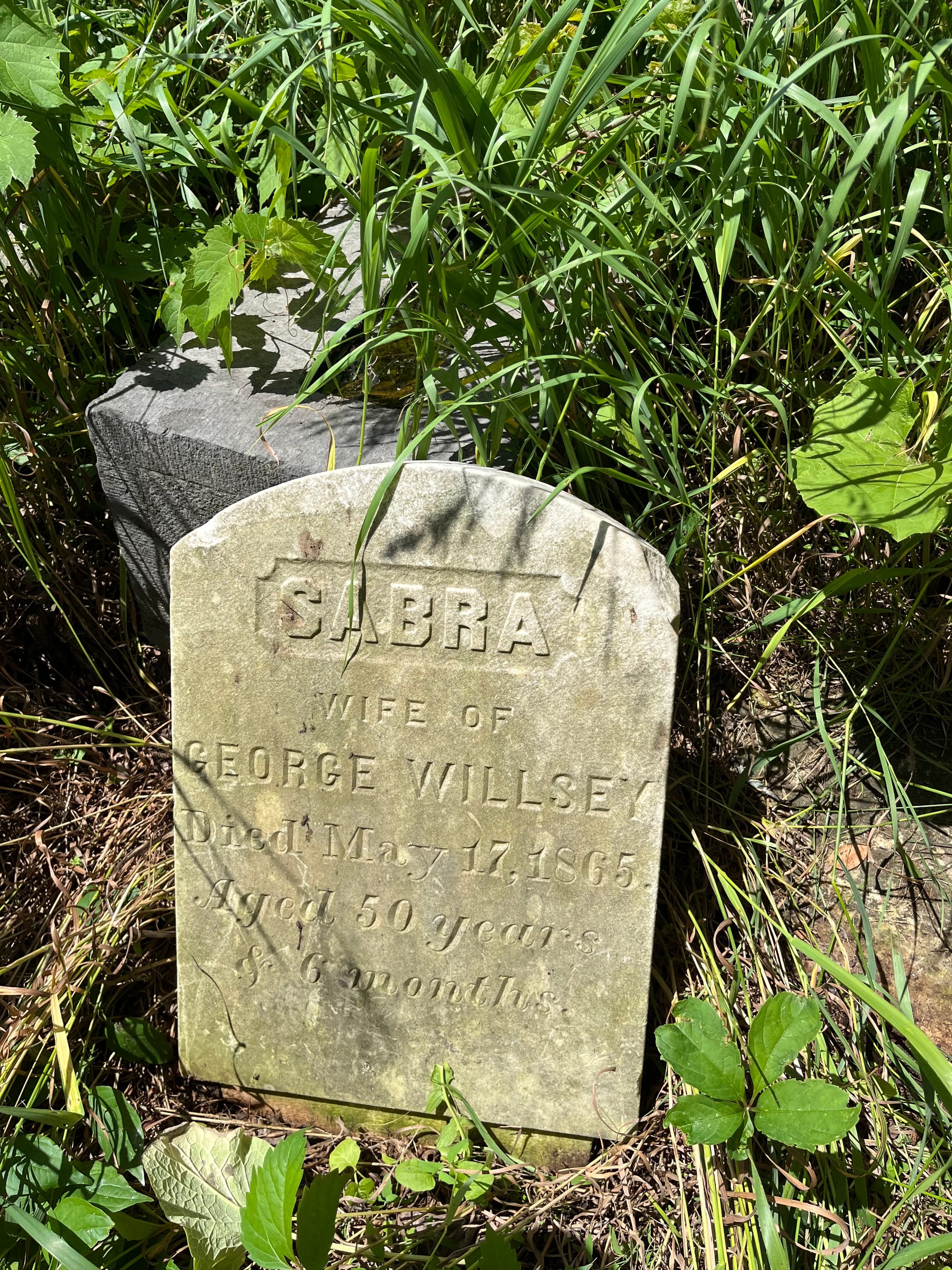
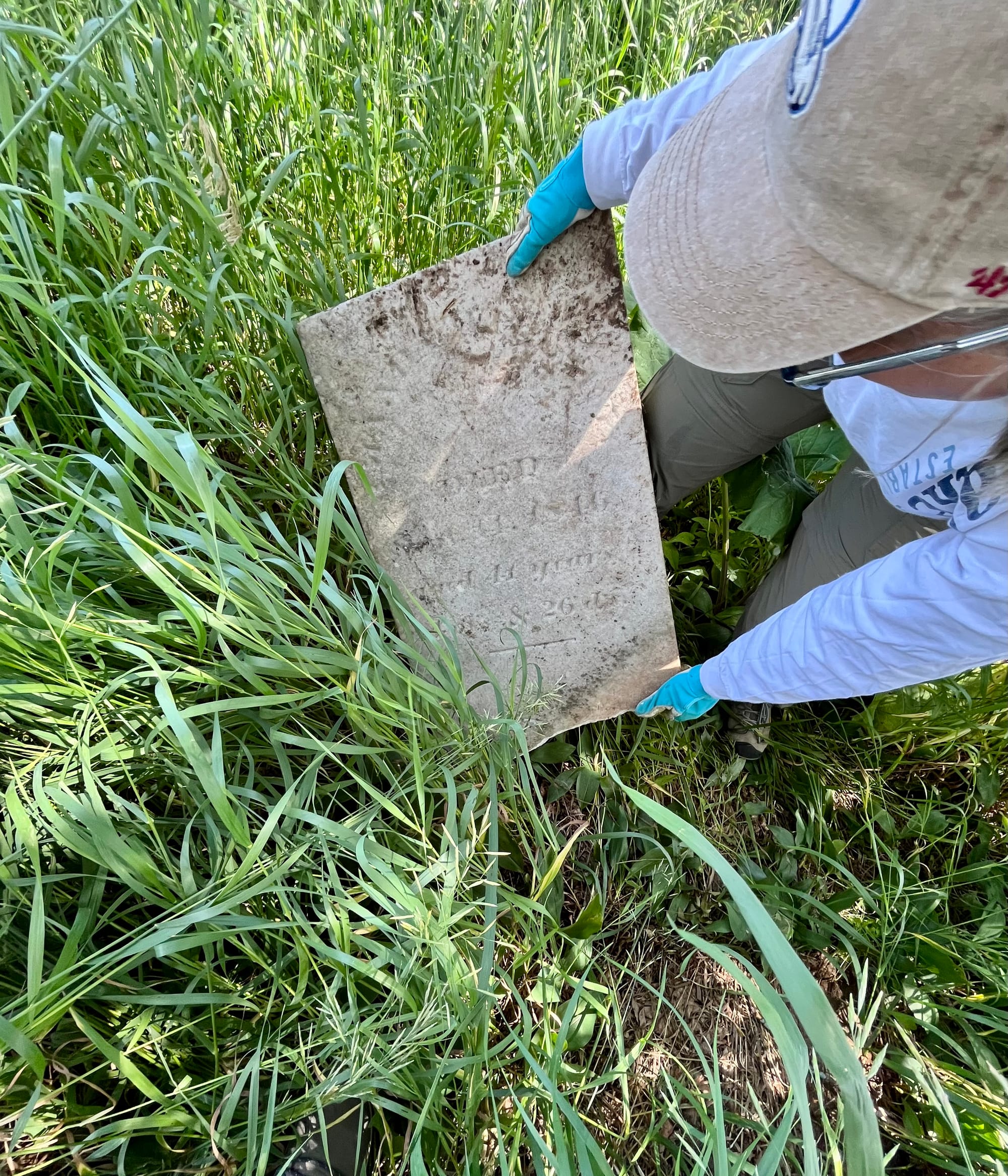
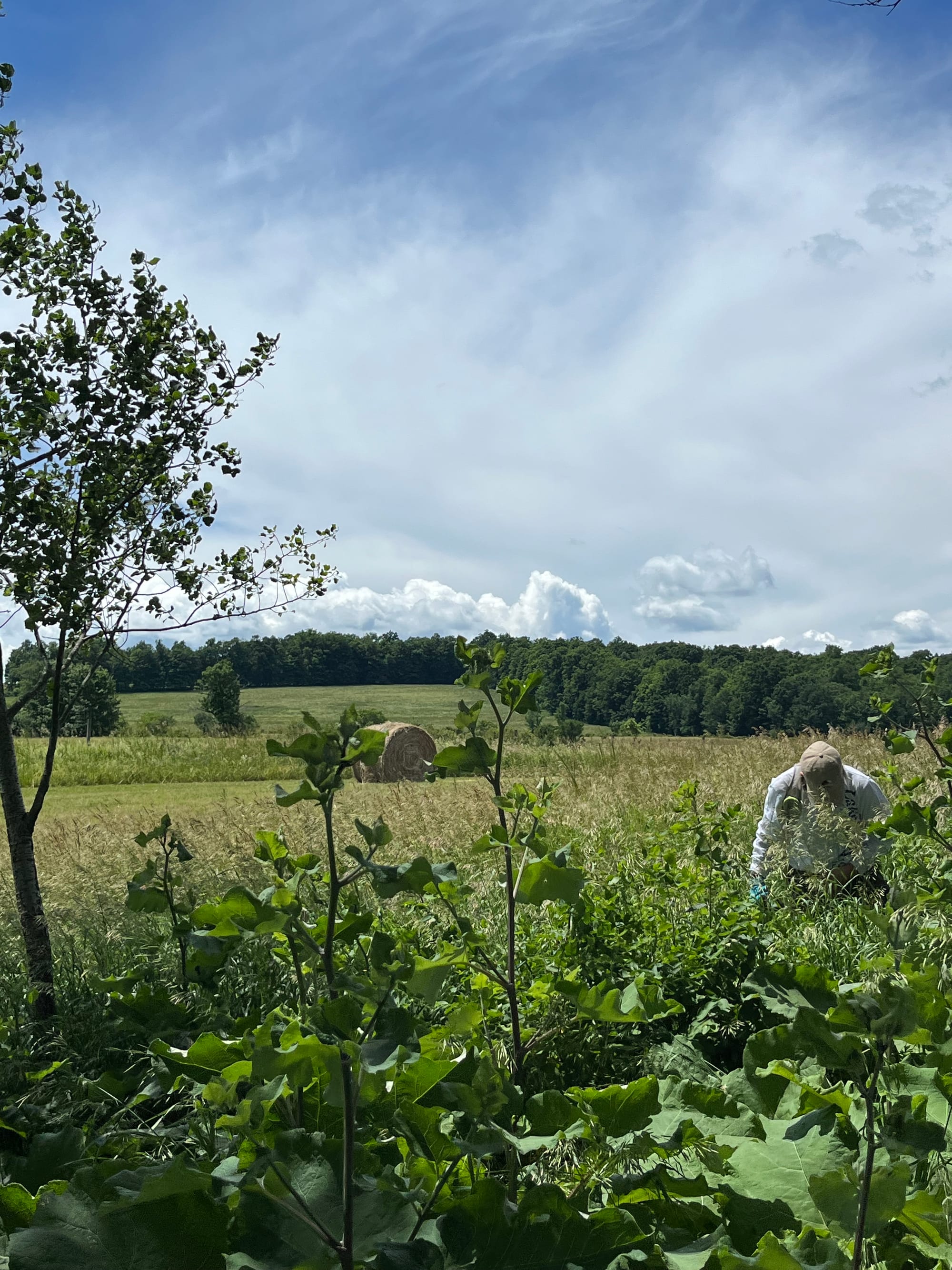
I'm standing at the end of a line of stones belonging to Henry and Maria, and Isaac and Rebecca Willsey, their son and daughter-in-law. I am so thankful to Gayle Hannay, Westerlo Town HIstorian. She guided me through the mapped area, much of which she had previously photographed.
"Nowhere in the America of the late eighteen-thirties were the promises of the Declaration of Independence less fulfilled than in Albany, the capital of New York. . . . Under the patroon system . . . a few families, intricately intermarried, controlled the destinies of three hundred thousand people and ruled in almost kingly splendor over nearly two million acres of land." Henry Christman, Tin Horns and Calico: A Decisive Episode in the Emergence of Democracy
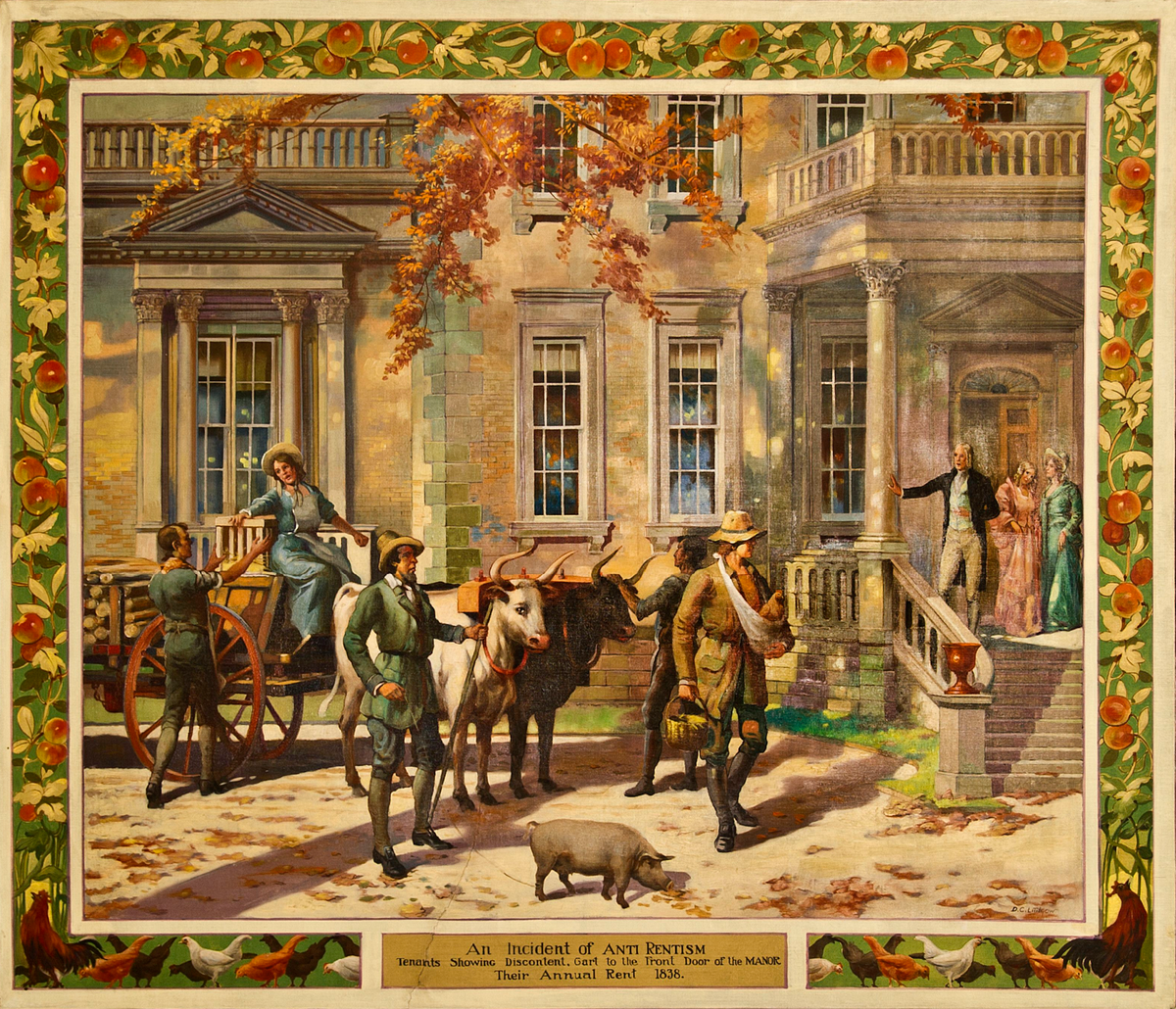
While there were some "freehold" areas, the patroonry encompassed eleven counties. Landholders controlled woods, waterways, and mineral rights, and required yearly "rent" delivered in the form of wheat, poultry, and labor. In the words of one 1793 contract, that equaled "twenty eight schepples of good clean merchantable winter wheat, four fat fowls . . . . one day's service with carriage and horses." (Songs and Sounds of the Anti-Rent Movement in Upstate New York)
By 1839, this system had endured 210 years. Dennis Duggan explains its origin in "History of the Bench and Bar of Albany County":
"In June 1629, the Dutch West India Company issued a manorial grant of land to a wealthy Dutch gem merchant named Kiliaen Van Rensselaer. Under the terms of the grant, Van Rensselaer was required to purchase the land from the Mahicans at a fair price and provide for the emigration of settlers to populate the new colony. On July 27, 1630, Kiliaen Van Rensselaer’s agent . . . signed a deed purchasing the Manor from the Mahicans . . . .
It should be noted that native Americans did not conceive of a legal ability to buy and sell land. For them, a land sale was merely an agreement to share and equitably use the available resources. It was closer to our concept of a license or easement . . ." https://history.nycourts.gov/wp-content/uploads/2022/02/County-Legal-History_Albany-min.pdf
Two points are of note here: Kiliaen was an absentee landlord who didn't fulfill the requirement to colonize. That became Stephen III's goal. And when his sons took over after his death, tenants questioning the deeds raised the possibility of ongoing native ownership.
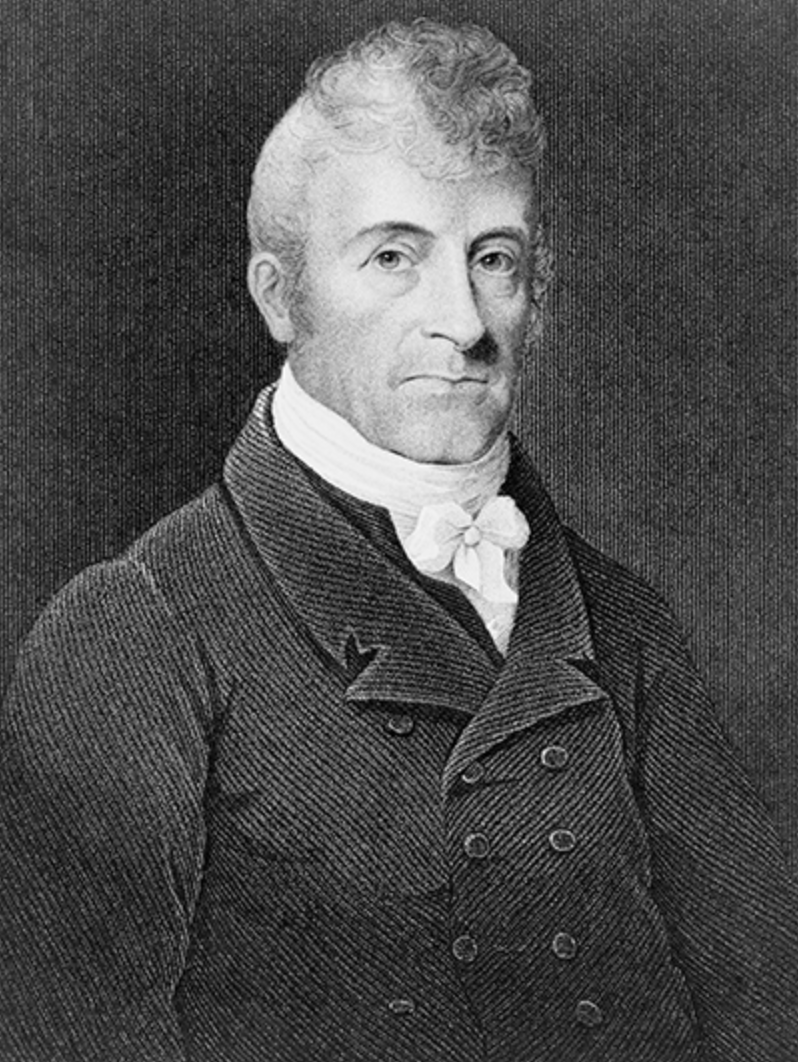
When he came of age in 1785, post-Revolutionary law didn't allow Stephen III to be a baron. His brother-in-law Alexander Hamilton advised him, suggesting the concept of "incomplete sale." Acting on this, Stephen lured revolutionary patriots with an offer of seven years of "free" land, followed by "a durable lease with a moderate wheat rent" (Christman).
The farmer would hold the lease forever—"in perpetuity"—and paid all the taxes in addition to rent. If he or a descendant sold the lease (not the land), he had to pay the landlord a quarter of his sale price.
Thousands of settlers were attracted by the seven year "free" plan, not grasping how fully the eventual terms would favor the landlord. Some were illiterate or didn't understand legal language. They'd sunk years of physical labor into the property before seeing the written lease. If they left, they couldn't take their improvements with them.
Because he countenanced overdue rents, and sometimes offered "abatements" on back rents for partial payments, Stephen III was called the Good Patroon. In fact, this may be how he kept the peace among his tenant farmers for fifty years, as the soil became depleted, the wheat requirement got harder to fulfill, and descendants inherited exploitative terms signed by their forbears.
Though ranked among the top 10 most wealthy Americans up to early this century, Van Rensselaer left an estate encumbered with a $400,000 debt. His sons rushed to collect that from tenants. They threatened to sue, evict, and seize livestock to do so.
On the 4th of July, 1839, months after William Gray is born into similar tenancy conditions in Ireland, Helderberg farmers drew up their own Declaration of Independence. After Stephen IV dismissed their requests to purchase their land or make fairer lease terms, they responded:
" . . . we find nothing so dreadful as voluntary slavery. Honor, justice and humanity forbid that we should any longer tamely surrender that freedom which we have so freely inherited from our gallant ancestors, and which our innocent posterity have a right to receive or expect from us. . . . We will take up the ball of the Revolution where our fathers stopped it and roll it to the final consummation of freedom and independence of the masses." (Christman, 20).
Christman's book, Tin Horns and Calico tells an eye-opening story of inequity and resistance. He documents the many incidents and large cast of characters involved as this movement played out over about a decade. Along with the rent strike, the Anti-Rent Associations attempted to peacefully influence legislators. Official governmental committees filed supportive, but unheeded, reports. Double-dealing politicians courted both landlords and tenants.
Deadly violence broke out; there were brutal state crackdowns, sham trials, and life and death sentences. Hundreds who had committed no crimes were imprisoned. First published in 1945, it drew on oral histories from close descendants. A much briefer summary, updated to a twenty-first century context, is here: https://hvmag.com/life-style/hudson-valley-anti-rent-wars/
So, where are those ocean-spanning conjunctions I promised last week I'd reveal?
New York's patroon system had many similarities to Ireland. In fact, a major figure in the Anti-Rent campaign was Irish activist, Thomas Ainge Devyr. He organized, lectured, and published on the issue, and met in-person with farmers and their Anti-Rent Association leaders.
Did my many-times-great uncles read his articles in the Freeholder newspaper? Did they ride down to the town of New Scotland on July 4th, 1846, for a celebration that Devyr walked out from Albany to attend?
Did they agree with his speech that day, when Devyr urged them to,
"renew the pledge that you war, not only for the freedom of your own fields, but for the freedom of the wide field of the whole Republic. Tell the world that at the bottom of the local struggle lies a principle as deep as the foundations of the earth . . . On a day like this will our sympathies not go forth to the oppressed, the houseless, and the degraded? Shall the cry of their distress go up from the cellar and the garret—shall the poverty of our brothers—the rags of their wives, the hunger of their children—find no answering sympathy . . . Shall our watch light go forth a beacon and a hope to all nations on earth, or shall it smoke and flicker and perish where it arose, among the Helderberg mountains? (Christman, 263)
My transatlantic throughlines intersect here.
I found the bridge between land reform issues in both places and the famine in Ireland in Anelise Hanson Shrout's book, Aiding Ireland: The Great Famine and the Rise of Transnational Philanthropy. Thomas Devyr was load-bearing infrastructure for that bridge.
Shrout's presentation to the Albany Irish American History Museum highlighted the parallels between my Willsey ancestors on the nearby hillside, and my Gray ancestor struggling to help his mother on that Irish farm after his father's 1842 death. But there weren't only parallels.
A hand was extended from west to east.
Shrout explained that in 1847—notorious Black '47, when William's brother Worship sailed for New York—news of the famine's horrific toll reached upstate farmers. Schoharie's Anti-Renters raised $246 to donate through the newly-formed Albany Relief Society. According to Shrout, that was "equivalent to the annual rent for ten farms." It was aid, and an expression of solidarity.
I'll write more soon about other donations, from all over, but especially New York's towns. I want to add just one donation fact here that sets me wondering. According to Harvey Strum:
"The last known relief shipment, sent aboard Andrew Foster, reached Dublin in June 1848."
 Rachel Pitkin
Did any of those donations reach young William and his mother before she died?
The ship's name rang a bell. The Andrew Foster's May, 1849 passenger list to New York includes a William Gray (age 10). Was that him?
About 14 years later, traversing the country as a traveling peddler, William would meet and marry Harriet, Eliphalet Willsey's granddaughter.
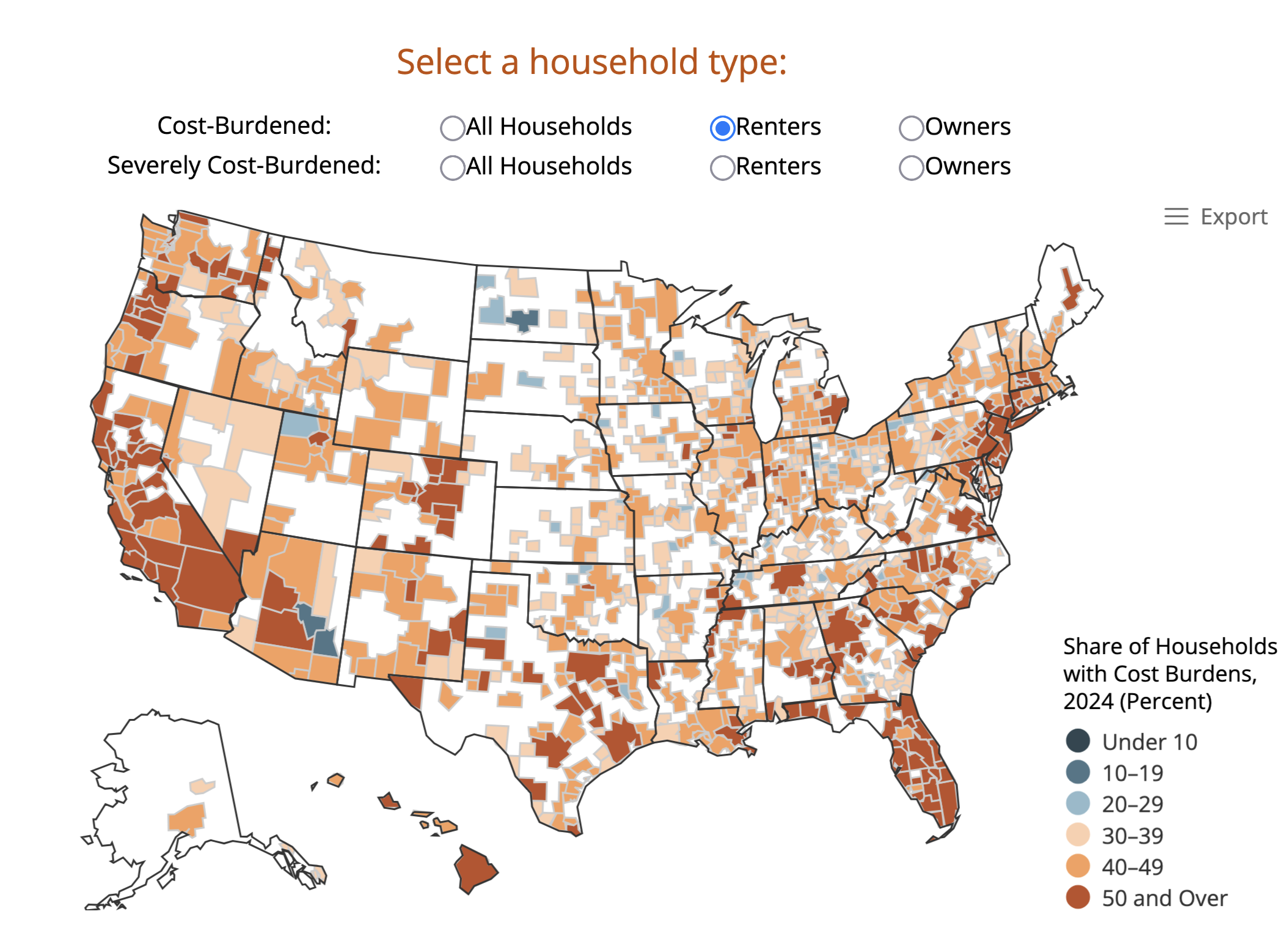
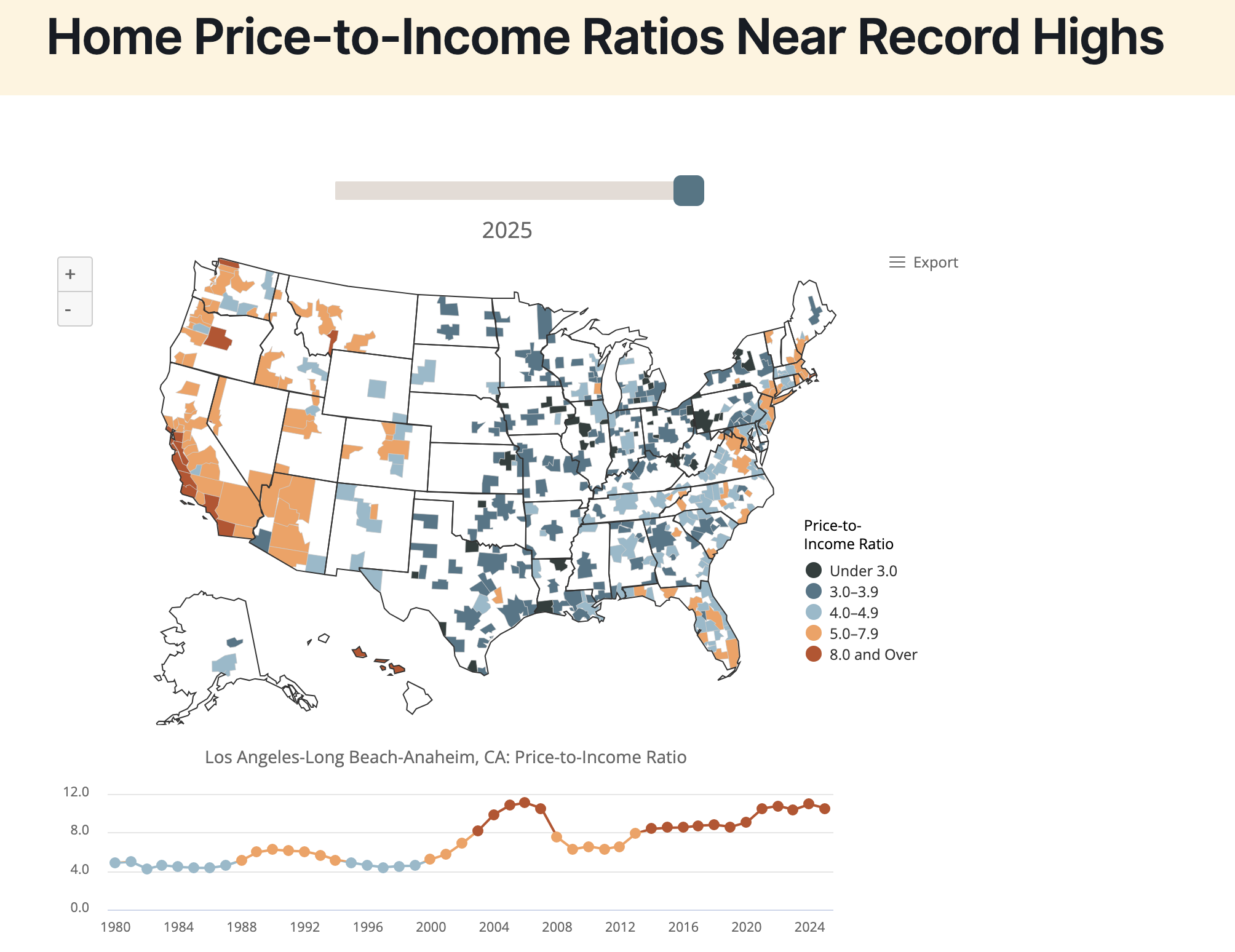
And for a quick glimpse of this whole story's connection to the present, here's Harvard's new housing report: