Smoke and Mirrors: America's Colonialist Imagery and the Popular Imagination

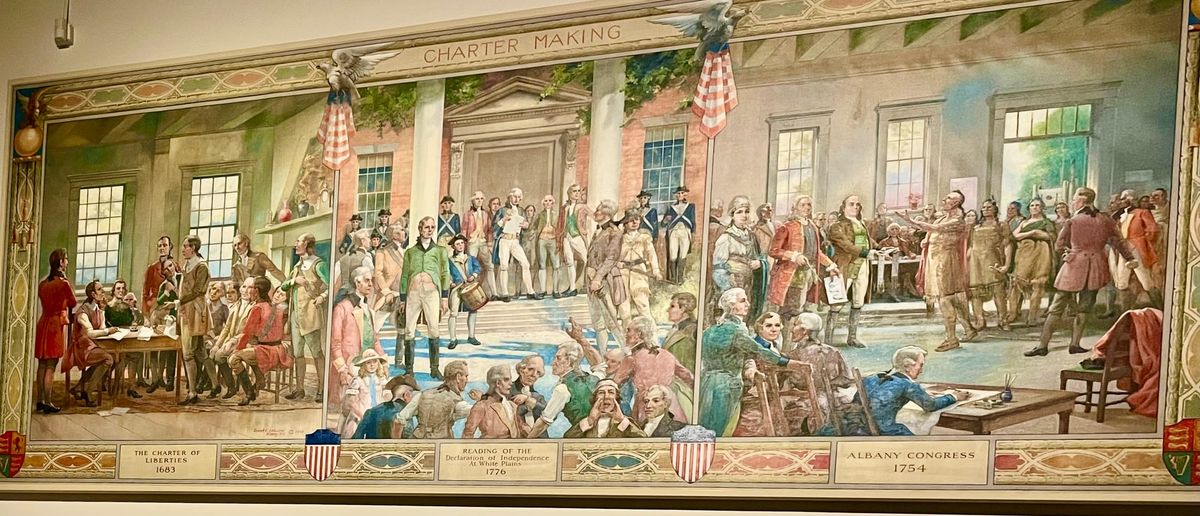
A few days ago, I imagined creating a simple post, an update on a lead mentioned in my essay of September 9. Because this week, I photographed that 1754 painting described by Mohawk Elder Tom Porter. It depicts Porter's ancestors meeting Franklin and Jefferson, along with two other large panels telling additional stories.
Ben, Tom, and the Iroquois representatives are on the far right. Mounted above a hall entrance, the painting seems placed in dialogue with deep time, juxtaposed with the woolly mammoth exhibit in background:
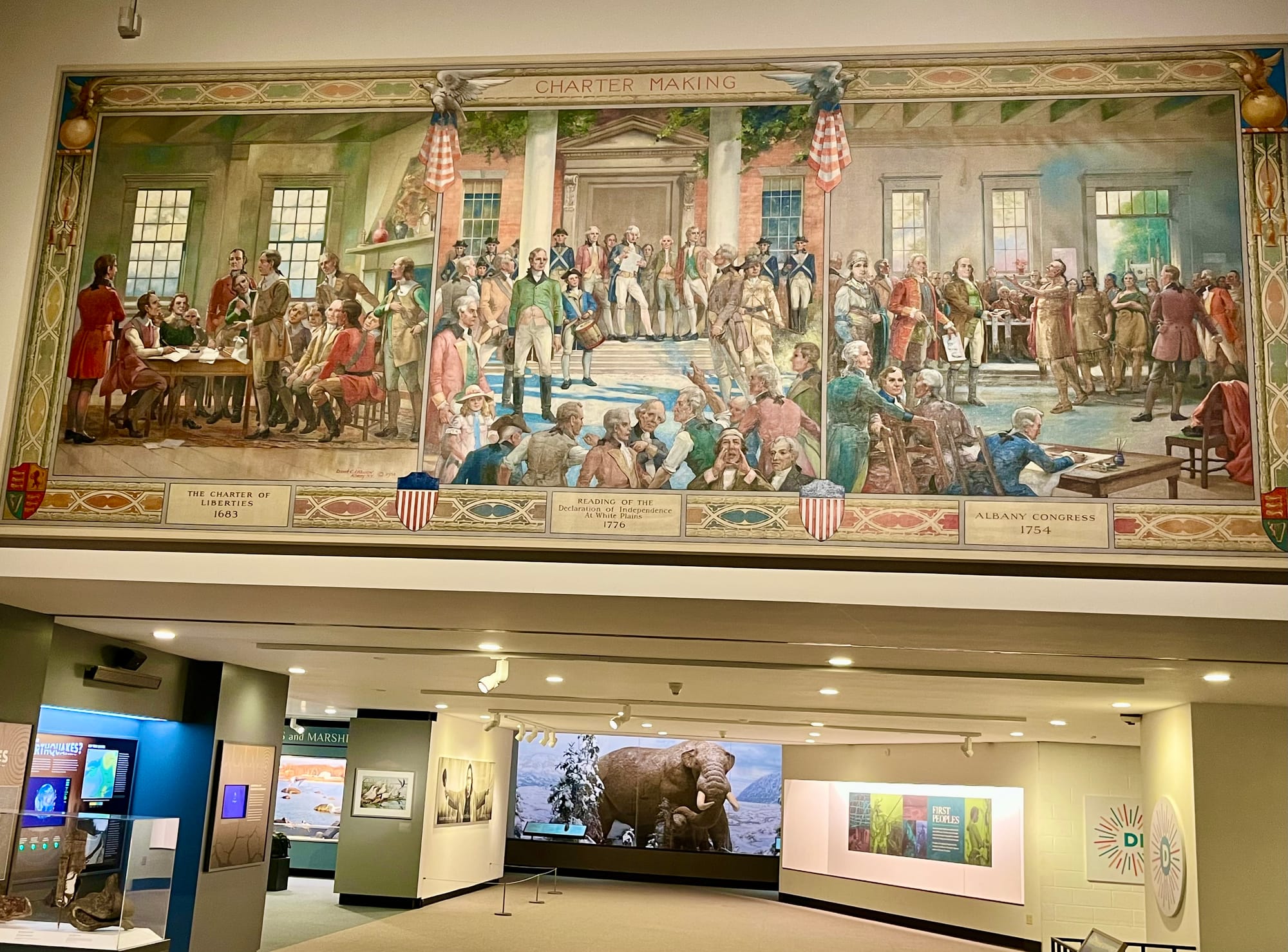
My initial idea was to share the photo along with some thumbnails. Here's that part of the plan:
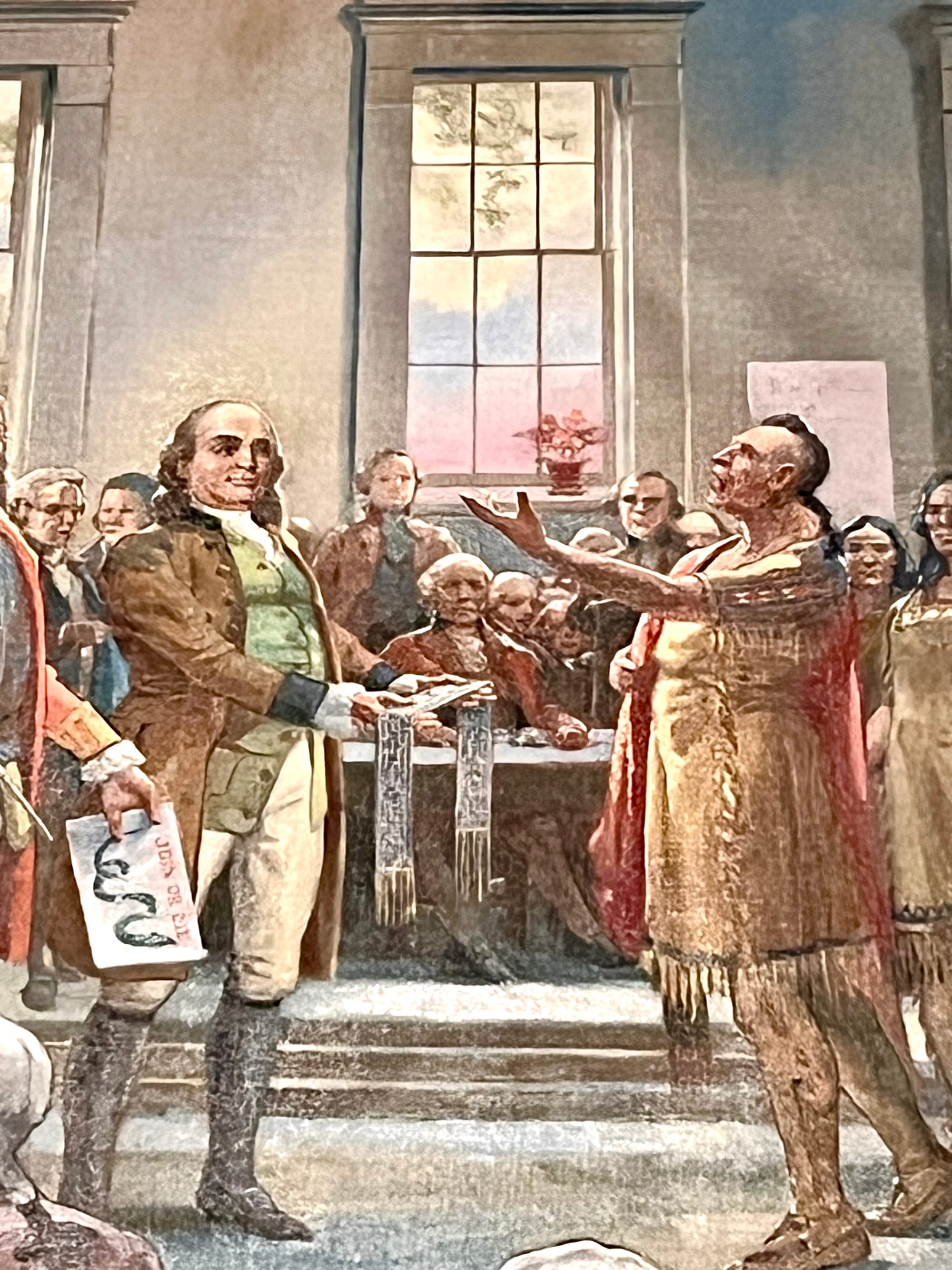
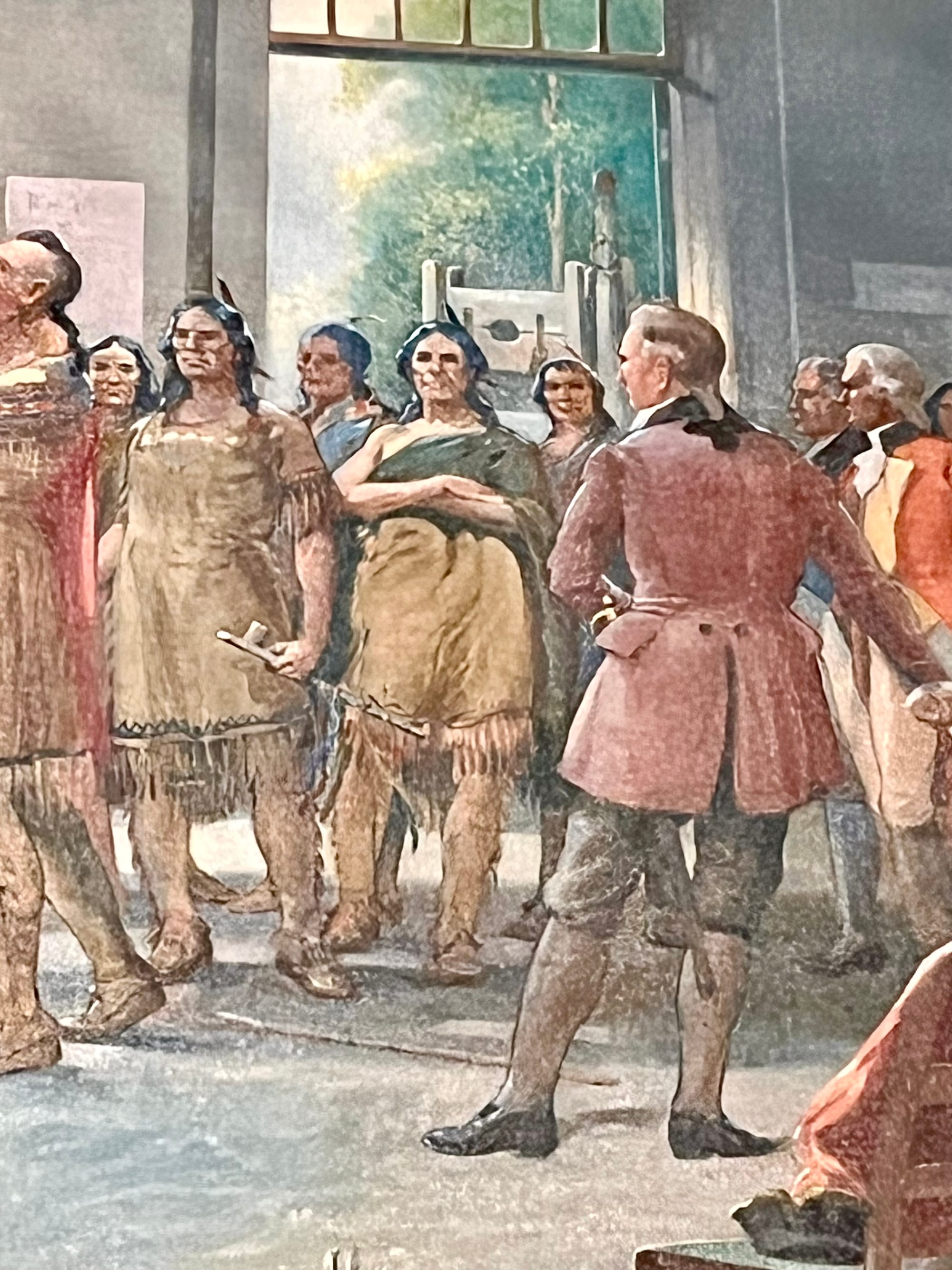
These scenes prominently feature the Mohawks, their wampum belt, and the "join or die" snake. There's a lot more going on, but I figured I'd just let you see what you noticed. I'd keep it short, I told myself, maybe add a bit about the artist. That way, I could get back to digging into my ancestors' experiences in two rebellions—the Anti-Rent Movement, and the Civil War.
I'd been pouring over a list of Anti-Rent delegates to the 1846 New York State Constitutional Convention, in search of Wilseys. There weren't any. I was reading another writer's account of the Anti-Rent activities further south, in the Catskills. I was also on the trail of several other young Wilseys from the Albany area, soldiers in the 7th New York Heavy Artillery.
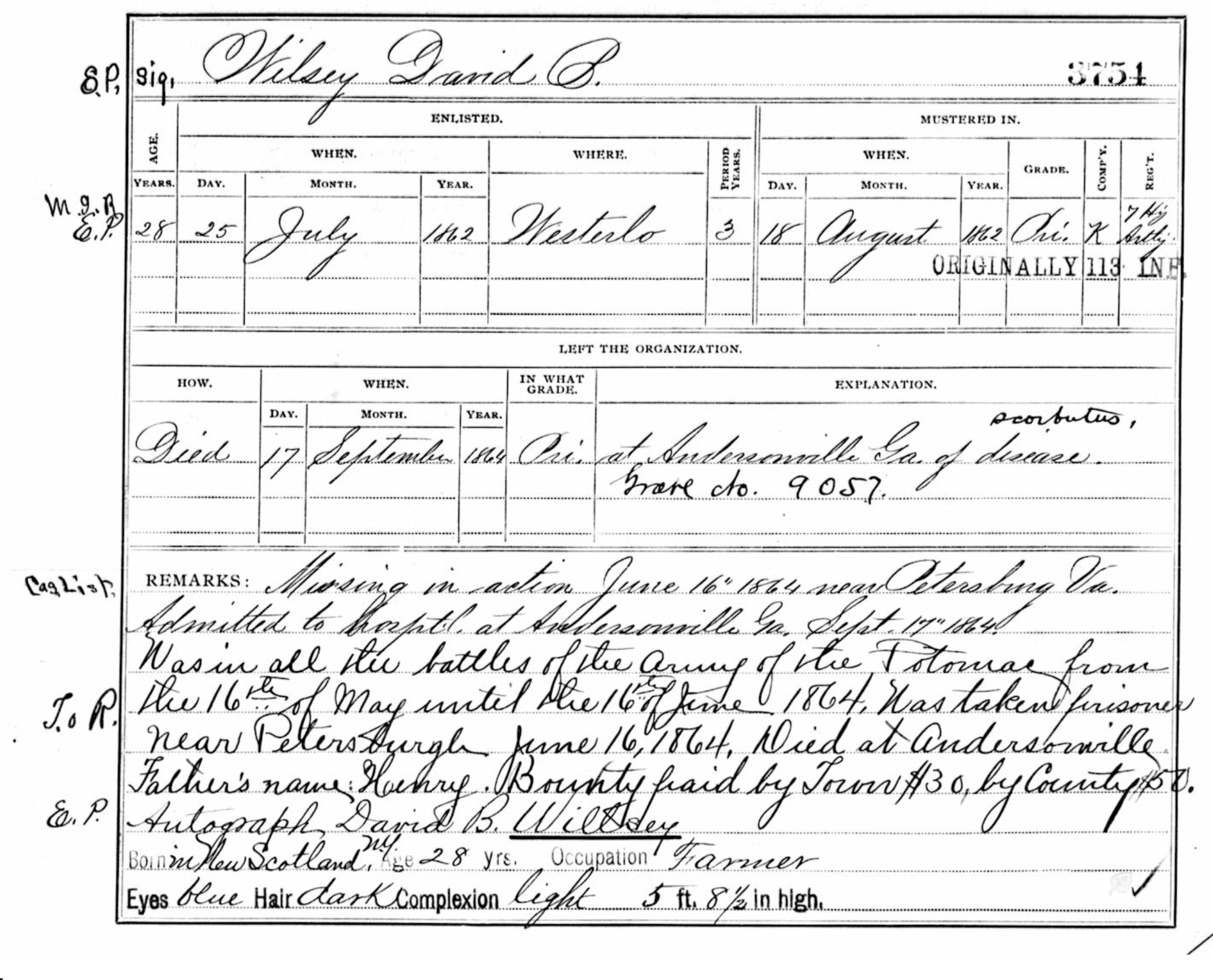
One was twenty-six year old Edgar, most probably a cousin of Berea, the diarist. There were Martin, Munson, and Theodore (21, 23, and 27), brothers from Schoharie county. David, the oldest at twenty-eight, was born in the town of New Scotland. All were farmers.
David, like Berea's younger brother Buell, did not survive. He died of scurvy, as did more than 3,000 of his compatriots, in the Georgia Confederate prison of Andersonville. He has a grave number, which was more than can be said for so many soldiers in that war. I'd seen his official record, and wanted to know more about him.
But my simple plan got complicated by surprise discoveries.
The name of the painter seemed familiar. In fact, he was David Cunningham Lithgow (1868-1959), who had also imagined the moment of Anti-Rentism I included in this June post:
 Ruth Ann Smalley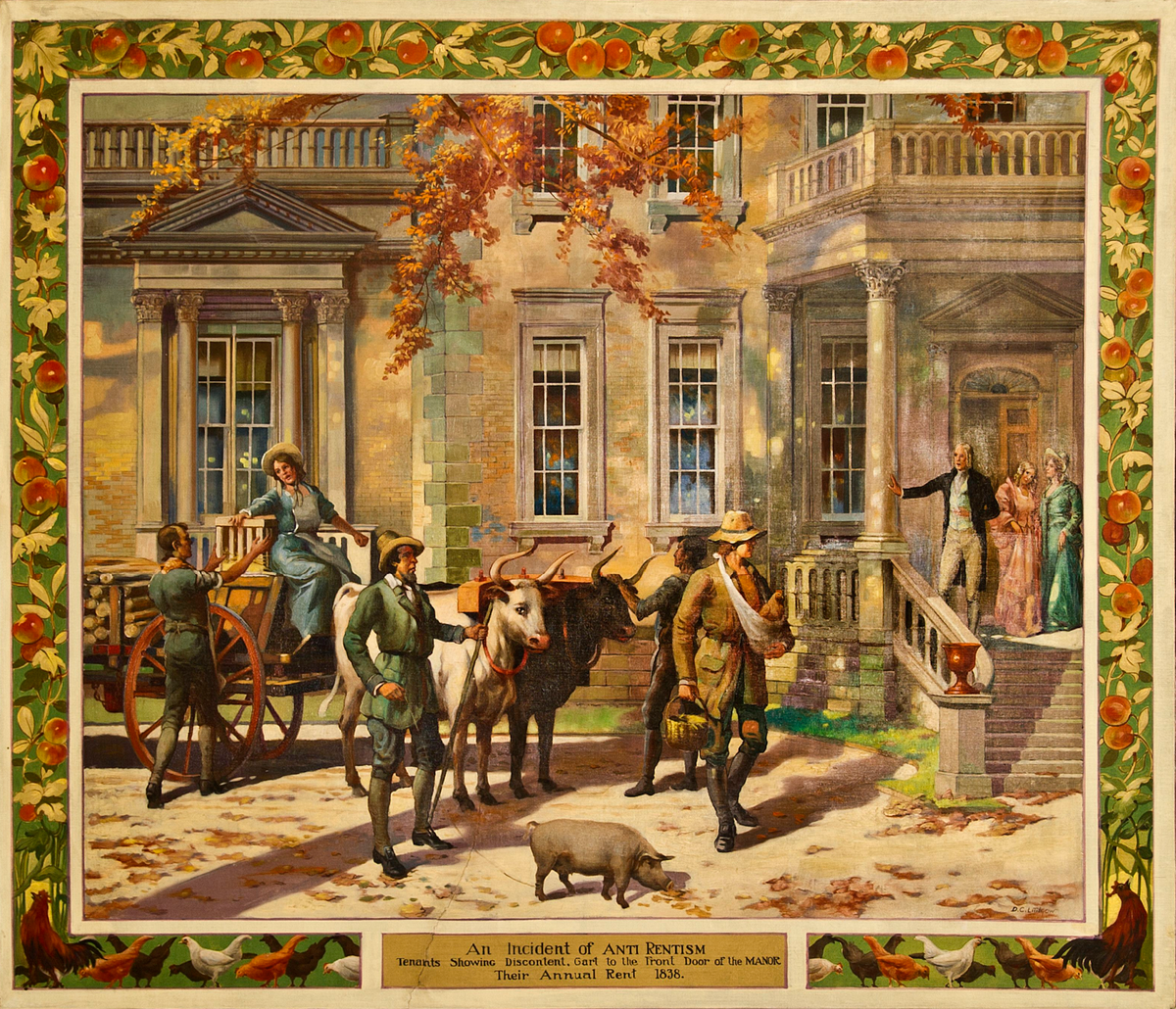
The first time I saw that Anti-Rent painting it set off little ripples of recognition. The colors, stylized borders, and glossy images all reminded me of illustrations of early America from childhood textbooks.
In twentieth-century classrooms all across the U.S., kids like me spent time staring, or being made to stare, at pictures like these. As I looked at Lithgow's numerous other commissions, many depicting native peoples, I wondered how it felt to be an indigenous kid looking at these kinds of representations.
Interestingly, Lithgow was a Scottish immigrant. He arrived in the 1880s, moved to New York, and by the 1930s was interpreting U.S. history for the public, actively participating in the creation of American mythology.
The textbook vibe made even more sense when I found his series of murals for the walls of the Milne school in Albany. Milne was a university-run model middle and high school. SUNY's website now provides this statement:
"The images in these murals depict problematic stereotypes of Indigenous and enslaved peoples and a positive narrative of settler colonialism in New York State."
They offer a discussion with each painting, here:


I suspect that even without growing up seeing the mid-twentieth century classroom materials that I did, the typical contemporary viewer might have trouble assigning an accurate date to these representations. Though painted in the twentieth century, they belie a Victorian sensibility common to many sentimental British genre paintings.
Victorianizing the Past
In "Victorianizing the Past," community historian Stefan Bielinski describes how many of our views of history have been filtered through a Victorian lens:
"With the popularization of printing during the nineteenth century, many existing and also newly created paintings and drawings were adapted and printed in books and tabloids that were viewed by unprecedented numbers of people. Thus, "the past" came to most Americans in a "new" print or lithograph that represented an earlier time in history."
As evidenced by my own childhood memories, this large viewership continued into the next centuries. He further notes,
"However, Victorian era images were sanitized and romanticized to make life in early America appear neater and simpler - a comforting contrast to the unsettling impact of widespread immigration and an industrializing nation in the years before and after the Civil War. Disseminated widely in prints and lithographs, then and now, they have enjoyed widespread appeal."
Soon after reading Bielinski's comments, I learned of Lithgow's Cohoes Savings Bank murals, many of which are native-themed. That widespread appeal was apparent in some contemporary community responses. In social media posts about the building's planned re-use as a library, people expressed fond memories of the murals. They were eager to see them again.
Several of these paintings offer disturbing interpretations of the native history of the Cohoes area. And they weren't from the 1930s, but as late as 1951. Here's an example, reproduced in the bank's brochure from that date:
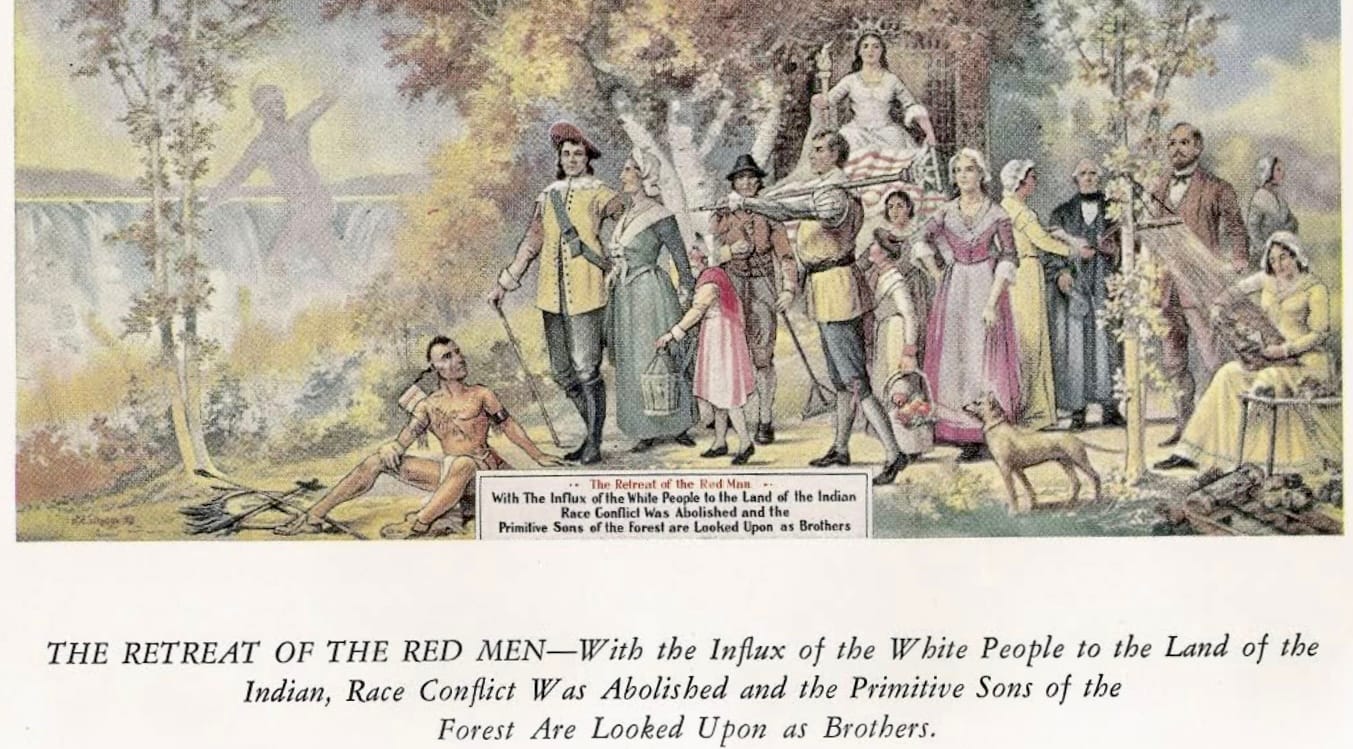
Imagine generations of children and their parents looking up at this claim as they went about their financial transactions.
The brochure informs us that shown are "prototypes of people who worked to make America a great nation." These are the "Dutch aristocrat, the Italian farmer, the English surveyor, and the French judge and weaver." Additional comments are too egregious to quote, but speak to how this "inclusive" picture of European workers places them above the seated native. Meanwhile, his representative in spirit form reassures white viewers: he exits the stage with a wave, walking off into Cohoes Falls on the left.
Recent photographers of the bank's interior seemed to have avoided this particular painting. I'm curious how the library plans to turn it into a teachable moment. This article shows how the paintings sit in their space:
 Alexander Babbie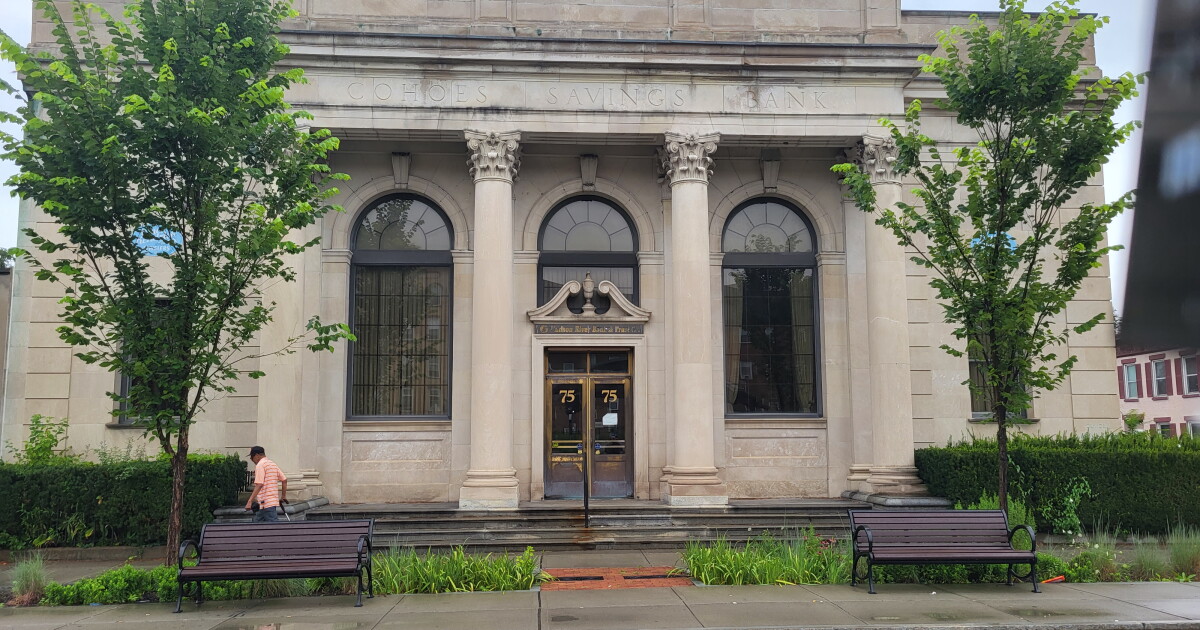
Lithgow's portrayals of native people also tie in with my current reading:
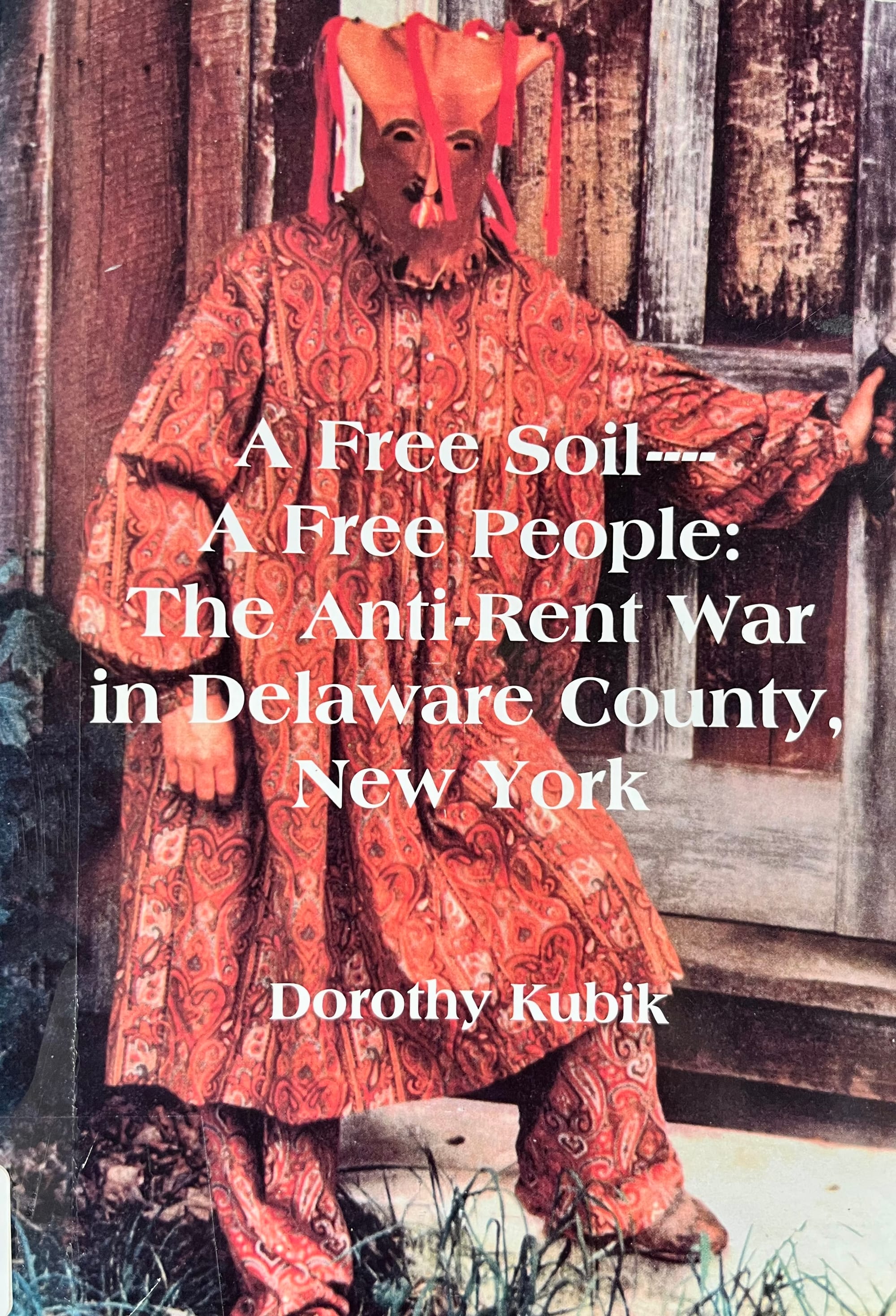
In imitation of the Boston Tea Party, Anti-Renters costumed themselves as "Calico Indians" and masked to hide their identities. Kubik's cover photo features a descendant wearing an ancestor's home-made outfit.
While the tenant farmers generally ignored the actual natives who'd been displaced from the region, there was an attempt at collaborating with some members of the Stockbridge-Munsee Band, which I've written about here:
 Ruth Ann Smalley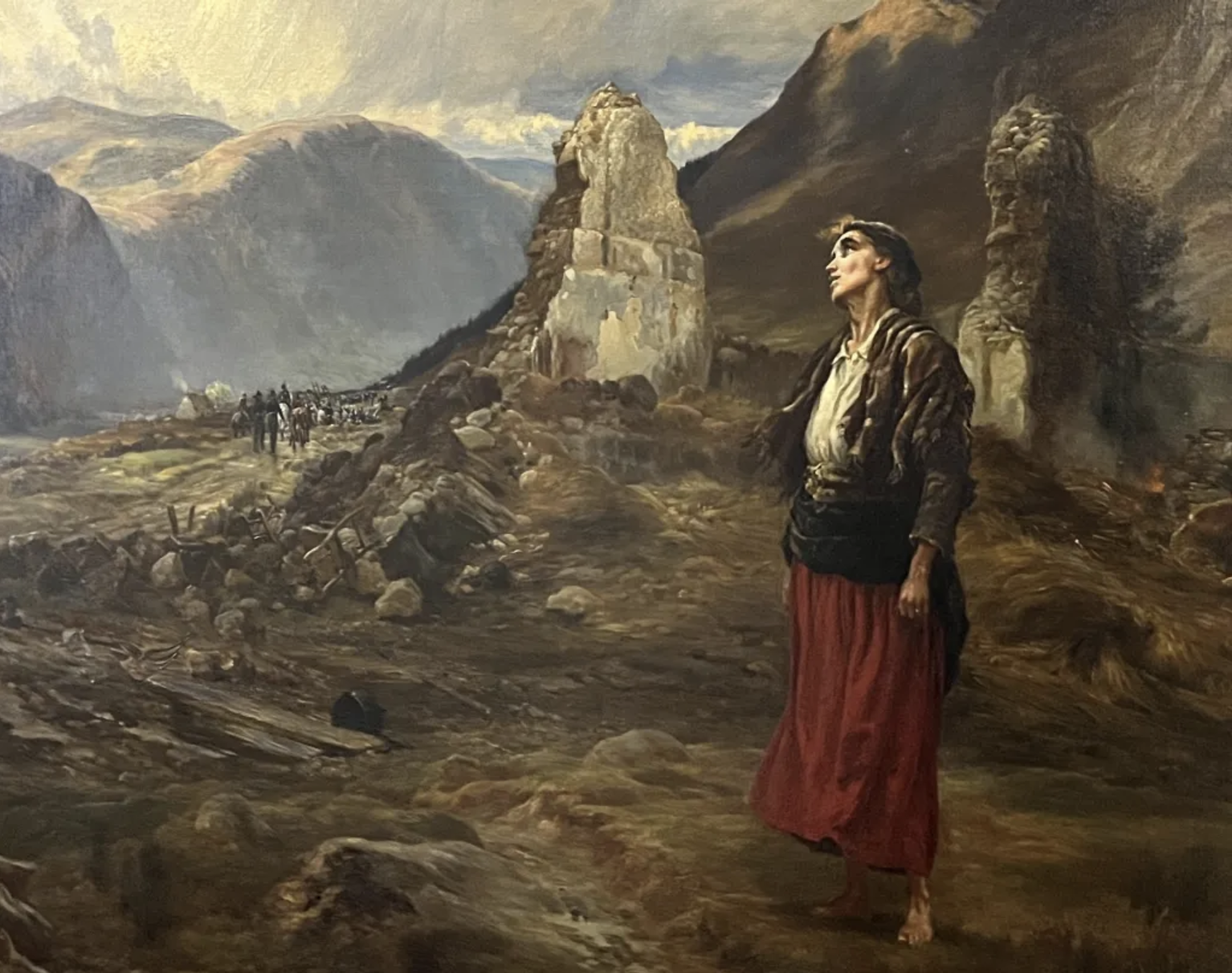
This post describes the event that most visibly acknowledged indigenous history: Mohican Sachem John Quinney spoke to an Anti-Rent crowd of thousands on July 4th, 1854.
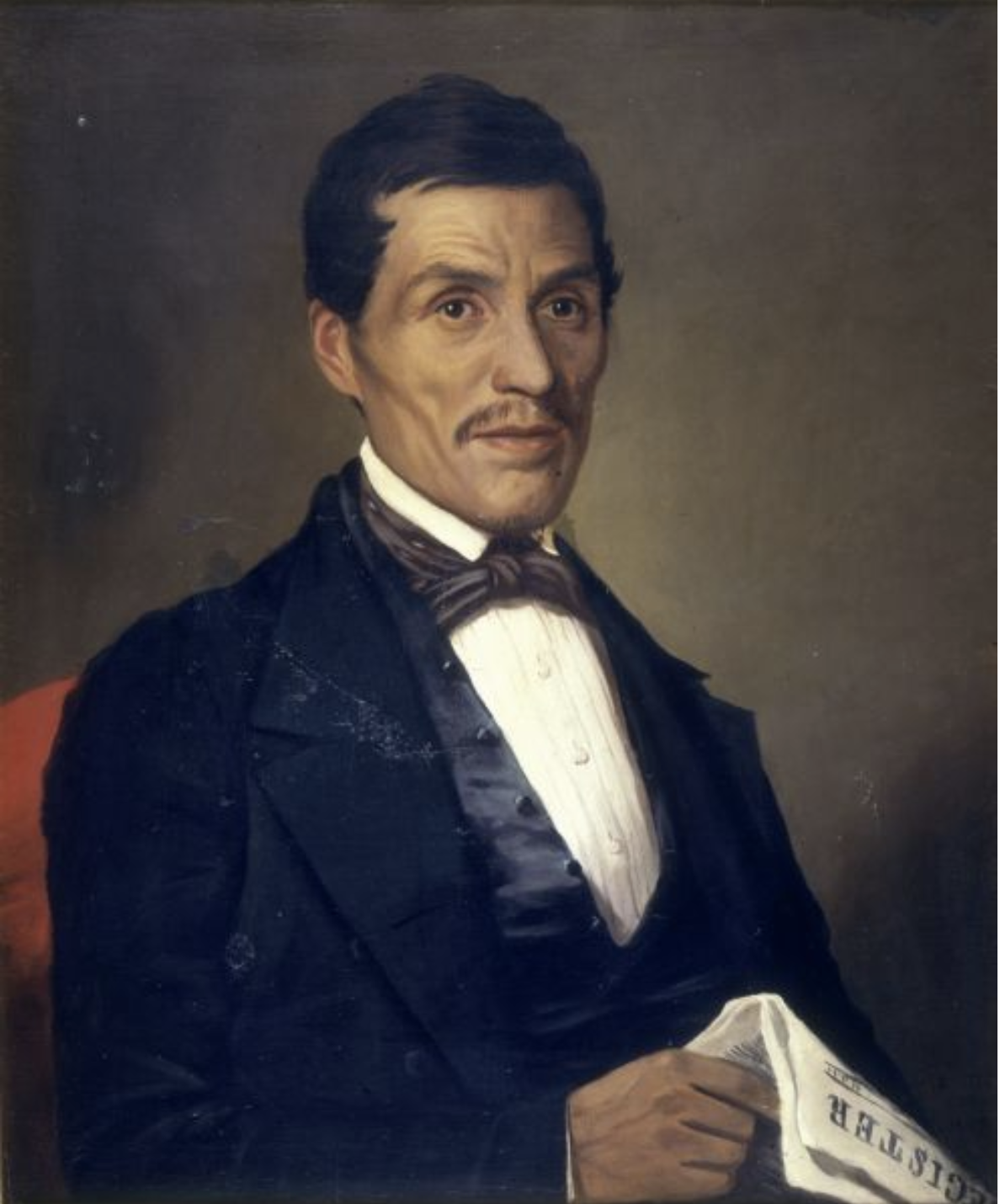
Ironically, Lithgow's wampum portrayals led to a positive discovery, an update to the sachem's story.
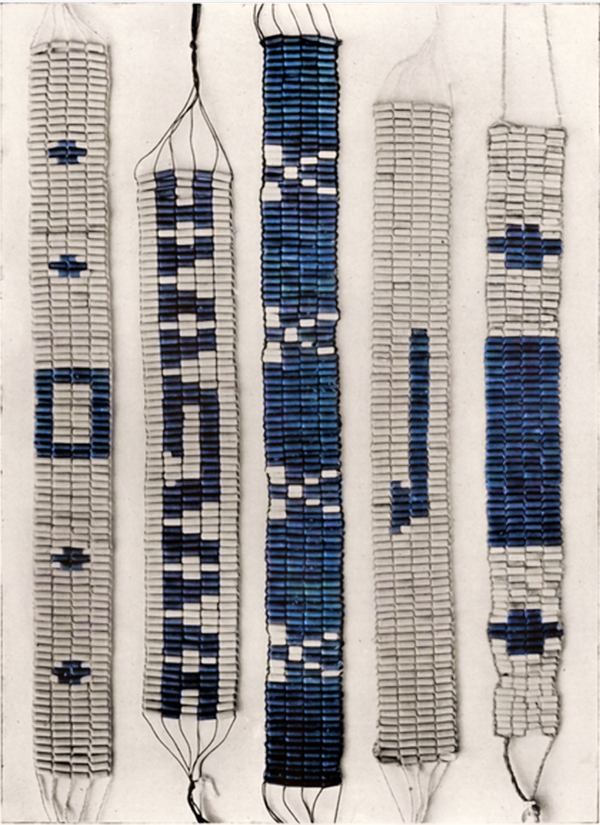
After looking at the Iroquois Nation's wampum in the 1754 painting, I noticed wampum in the borders of his "Mahikan" scene:



Thumbnails of the wampum borders on sides and top of Lithgow's painting for the Milne School
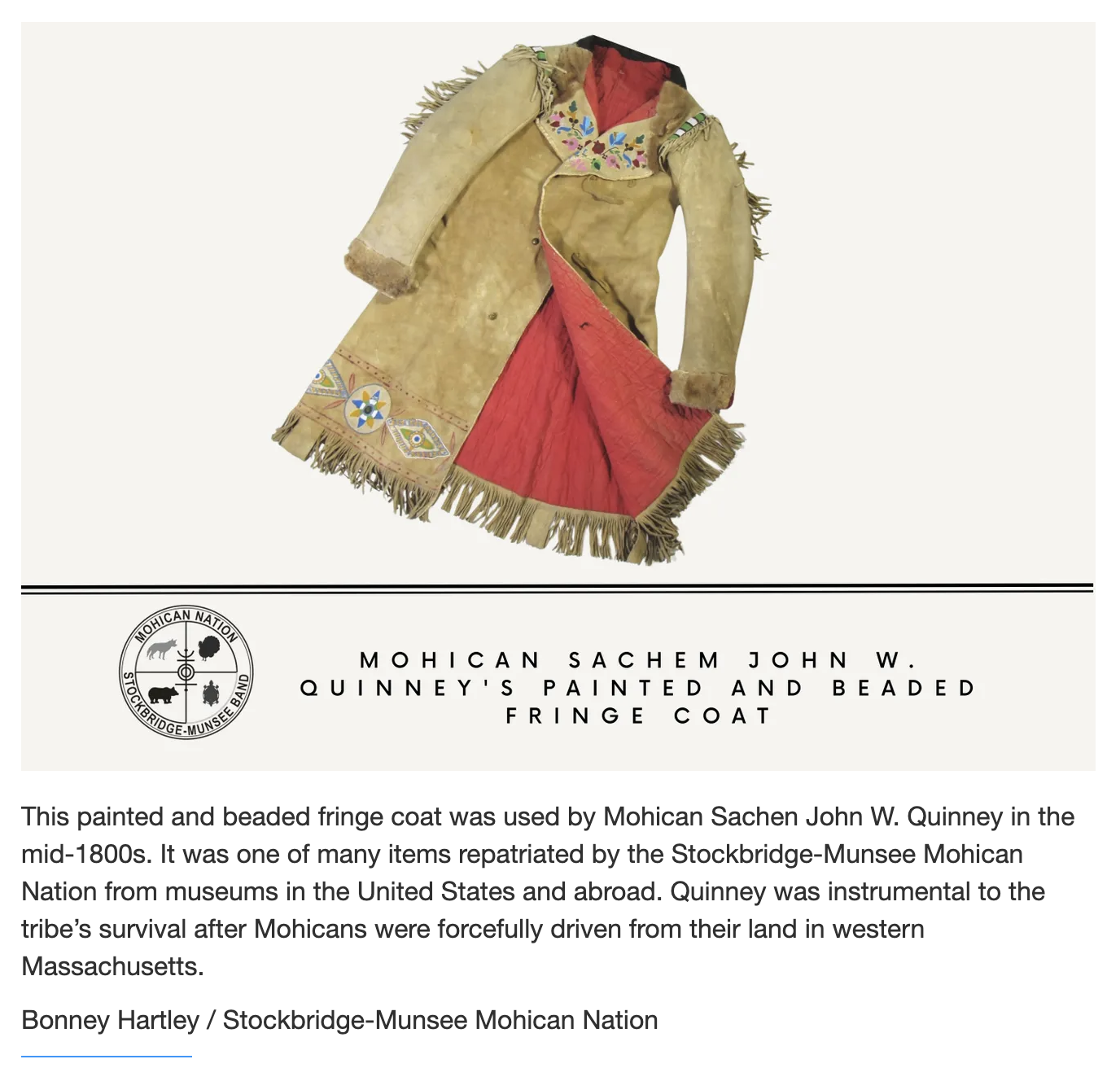
Curious about Mohican wampum, I stumbled upon breaking news of a substantial repatriation of a number of John Quinney's possessions:
 Berford Gammon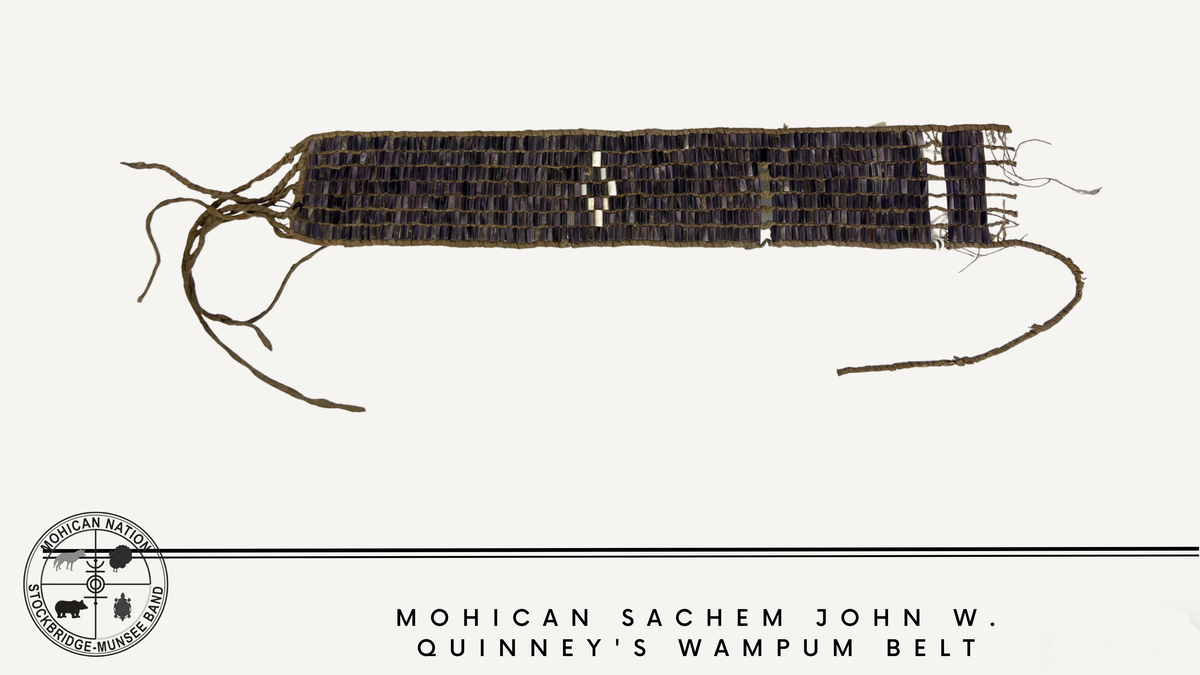
These included items like a pipe, a powderhorn, a wampum belt, and this amazing coat:
Identification vs Identity
One current viewer of the Cohoes paintings commented on the "important place" Lithgow's images hold in their "visual memory." I'm still sitting with the ramifications of that.
Many settler descendants probably cherish such imagery. Some have even incorporated it into their sense of identity. That's kind of the point of these types of depictions: they weave a self-justifying tapestry of colonizaton.
If the settler descendants among us can recognize the sentimental attachments many white people have formed for such images (including "Indian mascots"), we should also be able to respect the strong connection native people feel to cultural and sacred artifacts that were so often stolen or "purchased" from them under duress.
In reality, though, some cherished objects are authentic, and some are mostly imaginary. Instead of being primarily propaganda tools, the repatriated items were genuine parts of indigenous people's lives and practices. Sometimes they are even their ancestors' bones. Understanding the difference should be part of our national educational project.
True progress means thorough restoration of what has been appropriated, a clear-eyed revision of American mythology, and honest reparation work around land and treaties.
If you've stuck with me this far, thank you for reading. As always, I welcome your comments. Maybe next week I'll manage that simple post of an image and a few hundred words . . .