Imaginary Nation

Settler colonialism is constantly in need of myths to propel it. Stephen Carr Hampton
American Dream vs Native Nightmare
What if the country's founding myths of freedom and equality depend on white people averting their eyes? On their not acknowledging the scale of injustices, the atrocities committed by ancestors and ongoing administrations? What if true freedom and equality remain out of reach, as long as enough settler descendants are willing to maintain ignorance of the bloody realities?
Century-spanning gruesome massacres for example, carried out by whites against natives and African Americans, were excluded from my generation's school curriculum. Having made it to age sixty without knowing about Sand Creek or Tulsa, I'm making it my mission to learn more.
Only a few months ago, I was horrified to read about Gnadenhutton, Ohio. There, a white militia slaughtered a pacifist religious community of nearly 100 natives in 1782.
 Stephen Carr Hampton
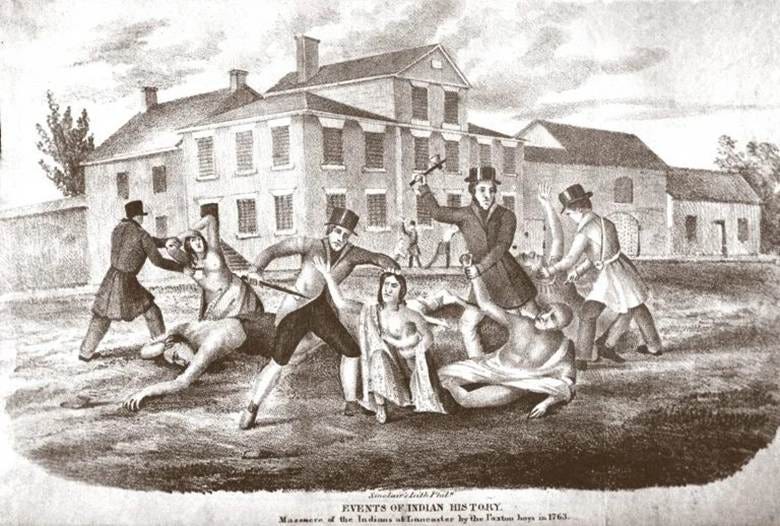
Before I found indigenous writer Stephen Carr Hampton's piece this week, I'd never heard of the marauding gang of German and Scots-Irish settlers in Pennsylvania, known as the "Black Boys," nor the 1763 murders of innocents by the so-called Paxton Boys. That massacre led Ben Franklin to call the killers, in all-caps, “CHRISTIAN WHITE SAVAGES.”
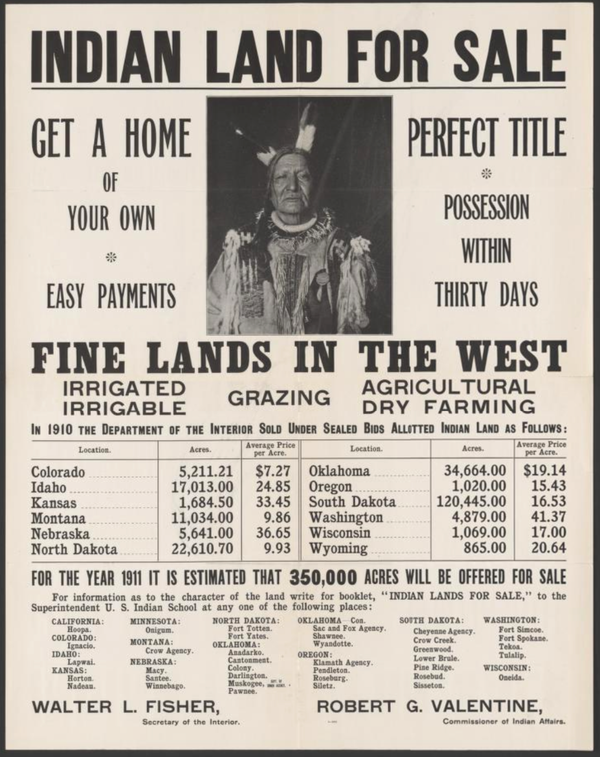
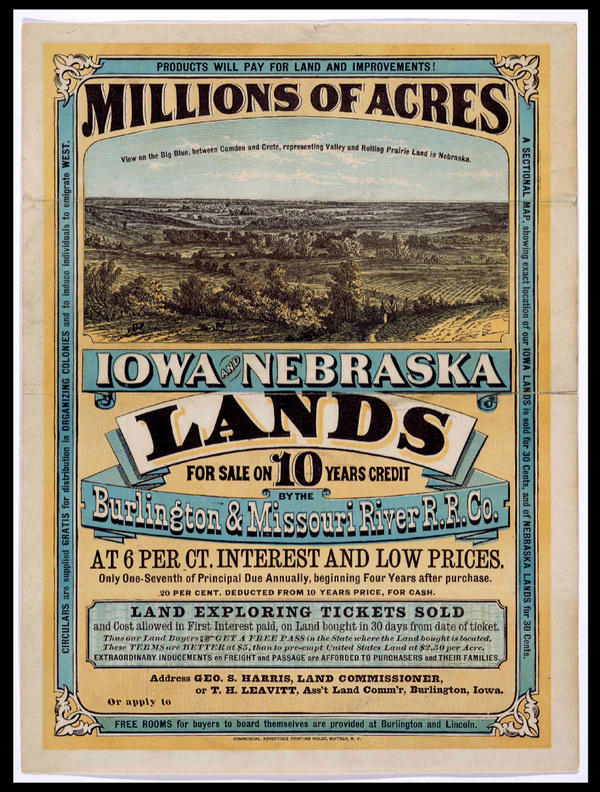
These killings were driven by land lust and race hatred. Why are the supposedly heroic pioneers the only ones we learned about?
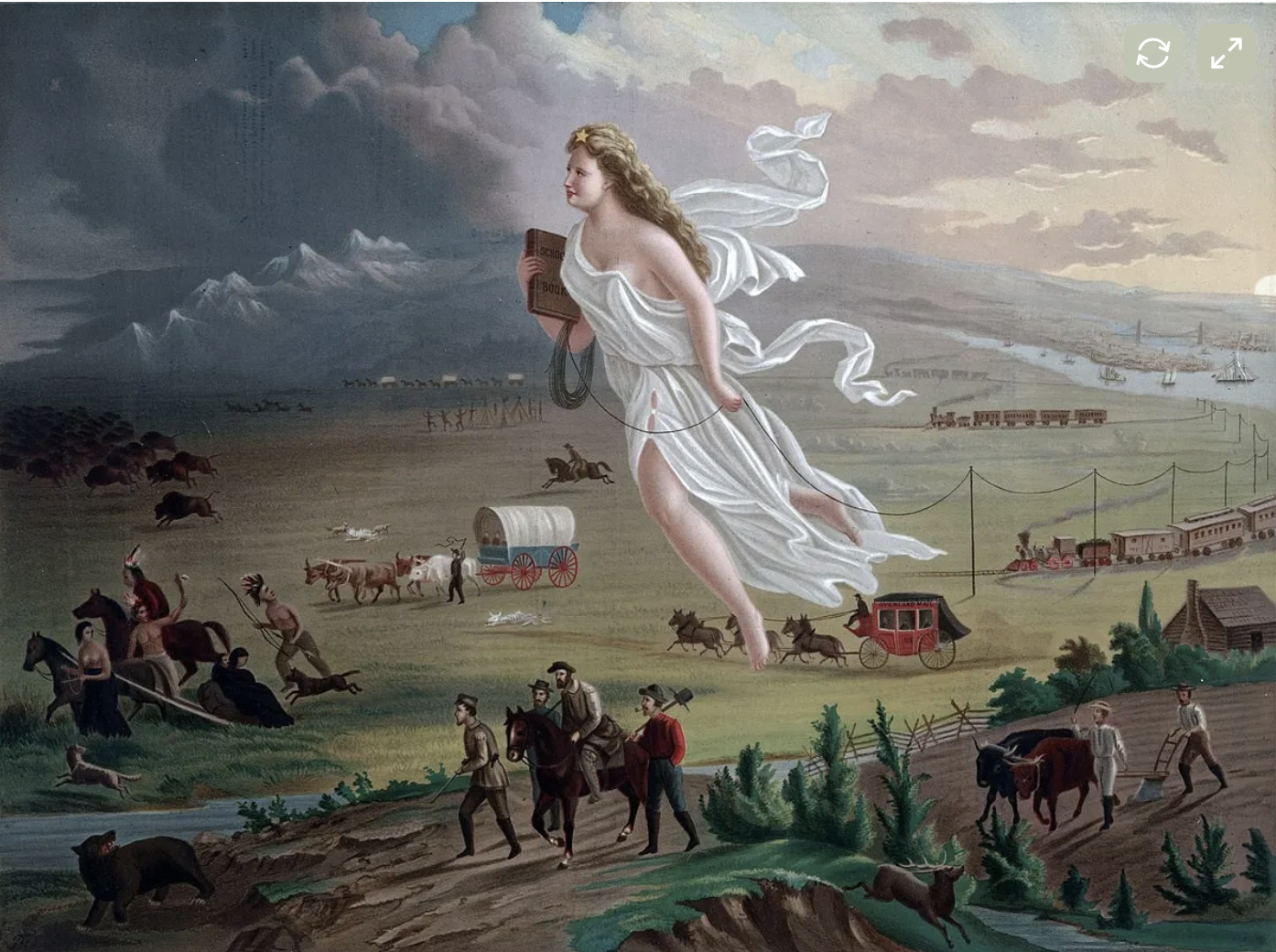
Myths of Benevolent Masters and Enlightened Northern States
Divorced from crucial historic details, white people can blithely ignore their implications for our present and future. For instance, whites raised in the North have often been kept clueless about the region's practice of enslavement and the specifics of legislation such as New York's 1799 Act for the Gradual Abolition of Slavery.
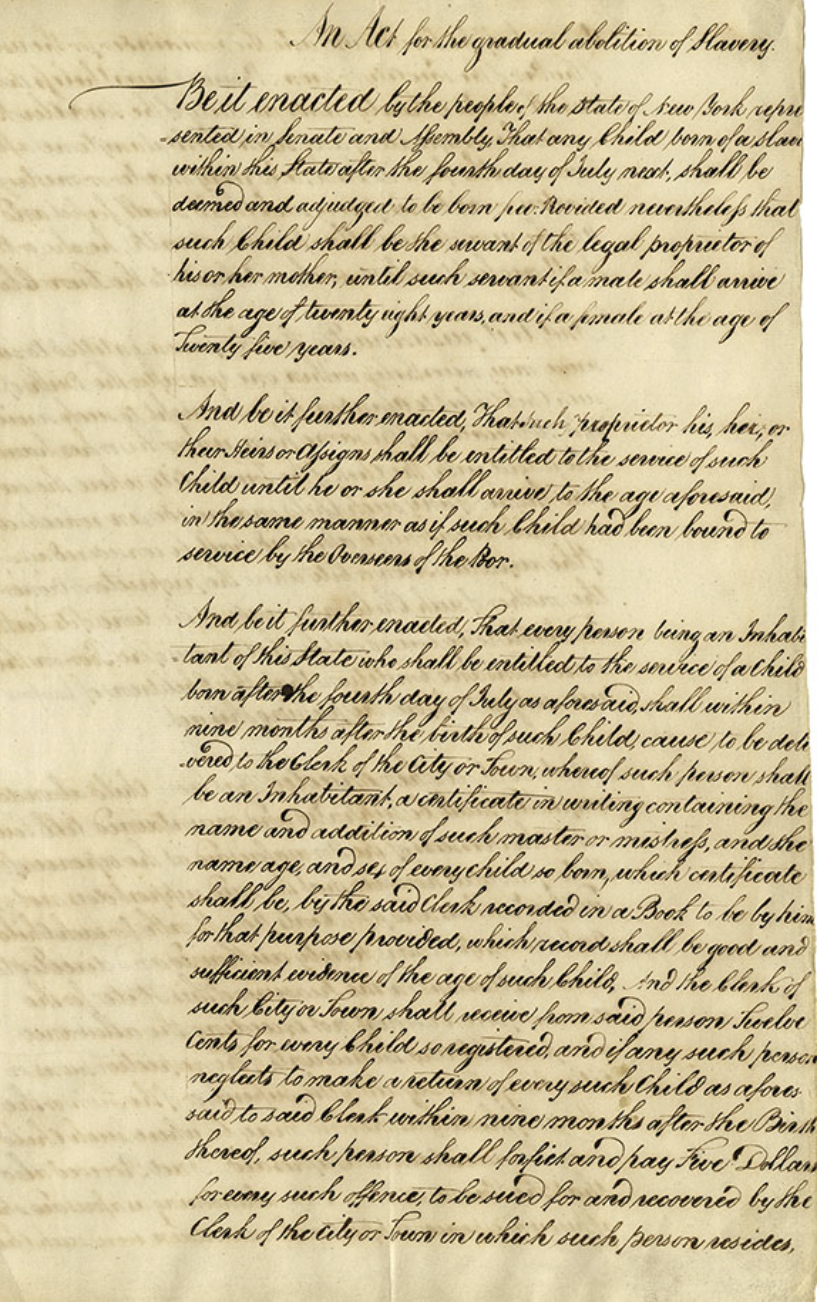
As summarized on the New York State Archives site,
"New York laws of 1799, an act for the gradual abolition of slavery, specifying that children born to a slave mother after July 4, 1799 were declared legally free--but not until male children had turned 28, and females 25. Slaves born before that date remained in servitude, although they were redefined as indentured servants."
Enslavers could "abandon" such children to the Overseers of the Poor, to receive a state-funded allowance. Then the abandoning parties themselves often collected those funds.
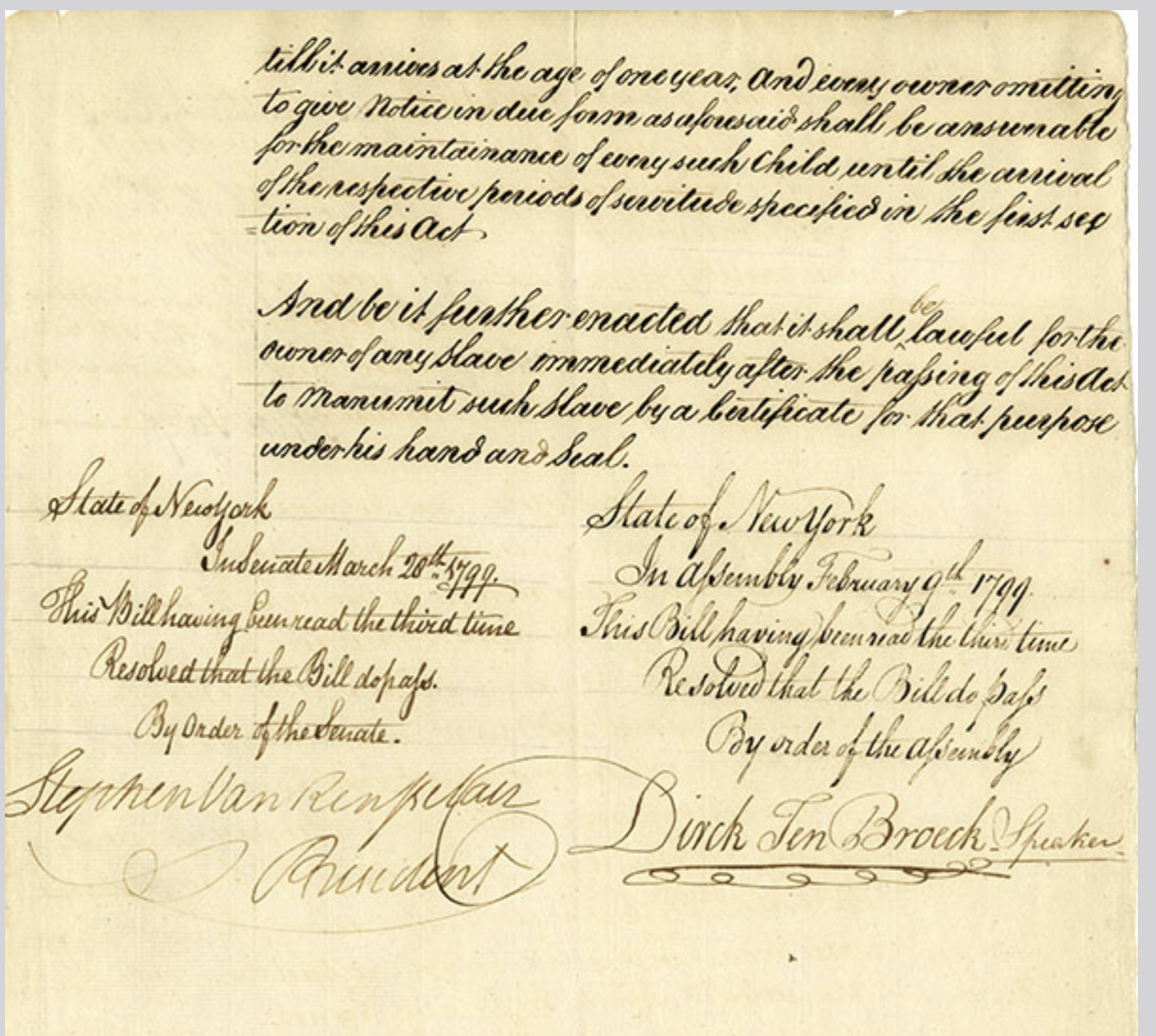
Here on the document's final page, I found the signature of Stephen Van Rensselaer III. Because of this Finding Throughlines project, his name now carries additional personal meaning. Member of the New York State Senate, Stephen was also a Patroon. He was my Westerlo ancestors' semi-feudal landlord.
It seems Van Rensselaer was accustomed to establishing "creative" indentures.
Reckonings
I first realized how little I knew about New York's manumission when I read Debra Bruno's compelling exploration of her heritage. That was a little before I launched Finding Throughlines. Now that my own research includes so much genealogy, I want to reread her book. I'm sure I'll see much of it with new eyes.
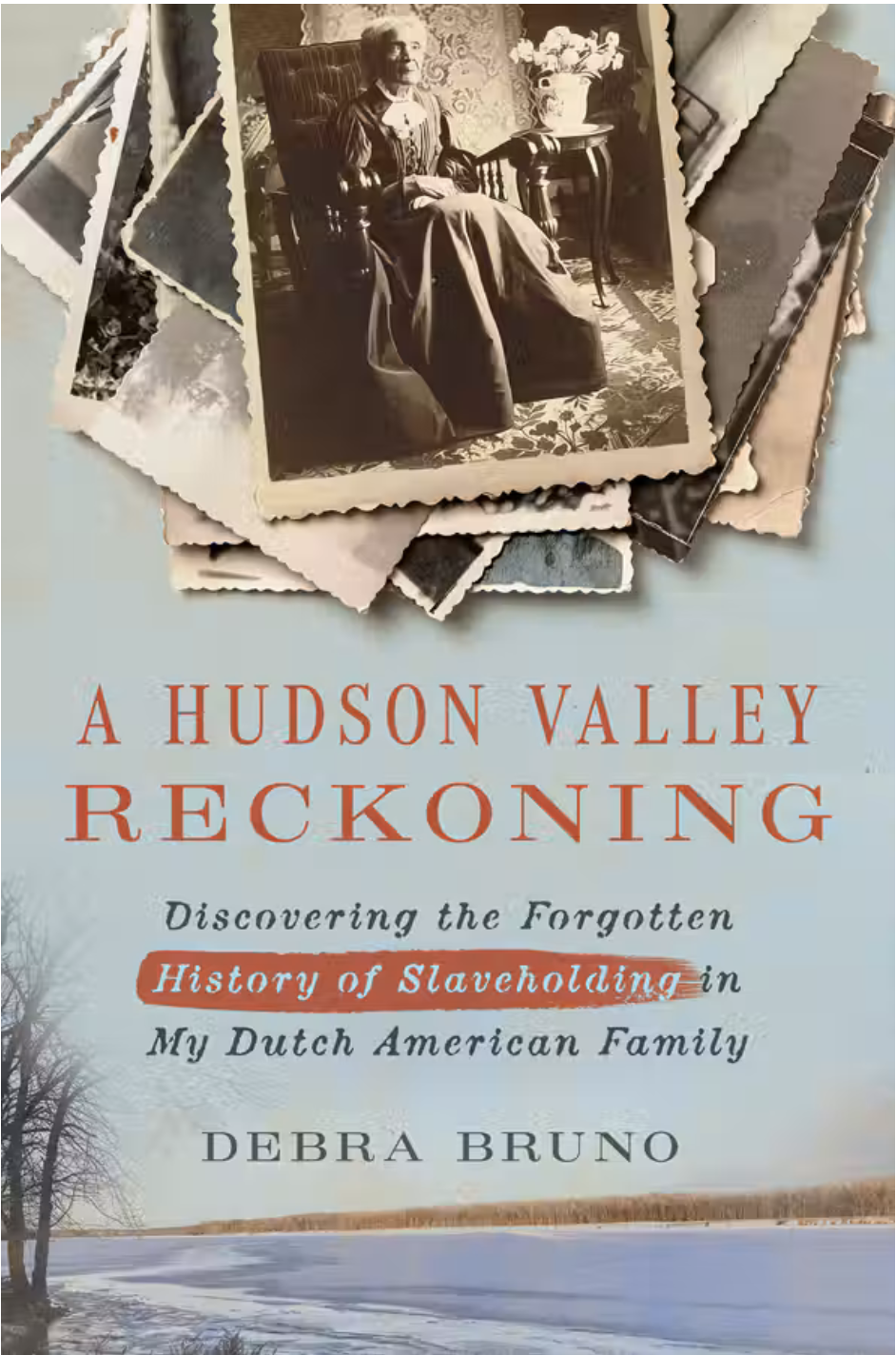
My hope is that more and more of us start to see with new eyes.
Like many, Bruno had been schooled in myths about how northern slavery was simply "not as bad" as southern. As she read memoirs and accounts, she noticed that belief being unquestioningly repeated, even as late as 1970. Bruno found claims such as this:
"Slave owners, both Dutch and English, living in the Hudson Valley in the early 18th Century, were extremely kind to their slaves, they were seldom worked in the fields, being kept more as household and personal servants" (38).
And because these enslavers supposedly didn't use violent punishment, the people they enslaved were described as "devotedly attached."
Bruno discussed the case of Caesar, enslaved by a family in Bethlehem, NY, just adjacent to my own community. He may never have been informed that he was free. Bruno was disturbed to find an account about Caesar's enslavers that was deeply misinformed about the manumission act.
When I recently stumbled upon a 1976 version of the kindly enslaver myth, I wondered if I'd found another such case. I was perusing a publication for Westerlo's bicentennial, searching for mentions of Wilseys. I didn't find them, but among reminiscences penned by a local woman, I found this:
"There's a glimpse of loyal affection in this one—it seems an elderly negro mammy who had devoted her entire life as a slave in the Moses Green family did not wish her freedom in 1865. She begged to stay near the people she had cared for so many years. The resulting log cabin specially built for her behind what was the general store owned by the Greens and Whitfords today was her home until she died. Mr. Green brought much contentment to a loyal servant in providing for her last years." Marie Cooke, "Glimpses Into the Past," bicentennial publication, Town of Westerlo Then and Now
Did Marie Cooke not realize that in New York, depending on her year of birth, this woman should have been free for about forty years? The question haunted me, especially because this cabin would have been behind the 1798 building that currently houses Westerlo's public library. I could just get in the car to find out more.
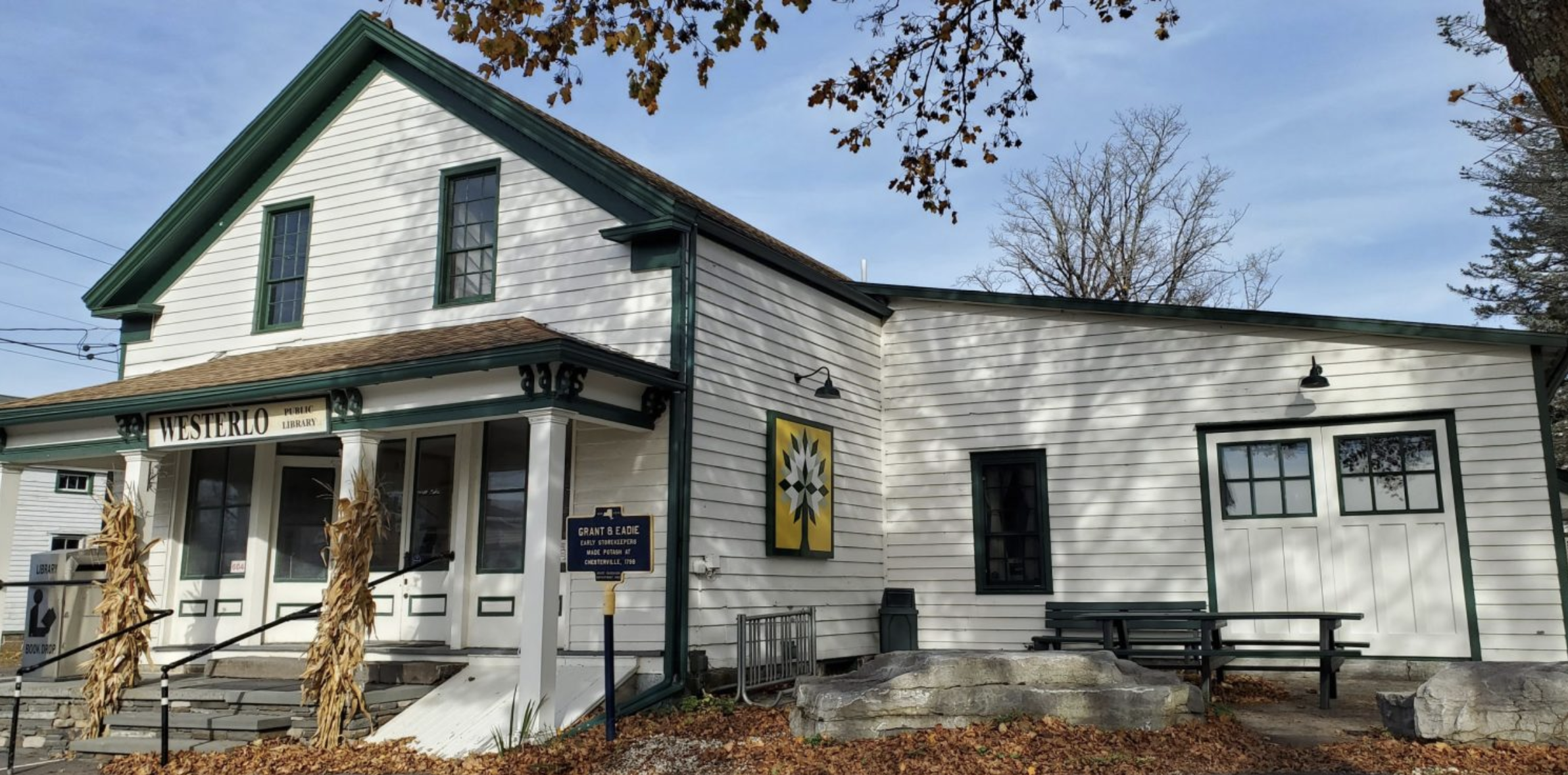
I couldn't locate a Moses Green in any internet searches, though the Greens had bought the building from a Moses Smith (who just happens to be the person from whom my ancestors acquired some of their rental property). A visit was in order.
The librarian assured me this was "lore." She showed me an old photo of a rough outbuilding that had once stood behind the building, and told me that locals used to refer to it as "a slave cabin." She was emphatic that there was no documented evidence to back up this notion.
Were any parts of Cooke's story true? After all, later generations might have been all too happy to sweep away evidence of small-town Northern slavery.
Ironically, the introduction to the publication itself contained this forewarning:
"'History,' according to Ambrose Bierce, 'is an account mostly false, of events mostly unimportant, which are brought about by rulers mostly knaves and soldiers mostly fools' . . . surely part of what he said applies to local history as well. The events in the lives of country people . . . are usually unimportant; and by the time they filter down a few generations . . . they are, no doubt, sadly lacking in validity." T.H. Blaisdell, Town of Westerlo Then and Now
Perhaps the truth conveyed by Cooke's story is simply that many white people preferred to believe this was how slavery worked in the North.
It's true that the experiences of enslaved people differed by region. The demands made on enslaved men, women, and children could vary because of the status of the enslaver, or due to the types of labor required in rural vs urban settings in the same region.
That's why close studies such as William Meredith's thesis are so helpful to understanding what individual people's lives were like.
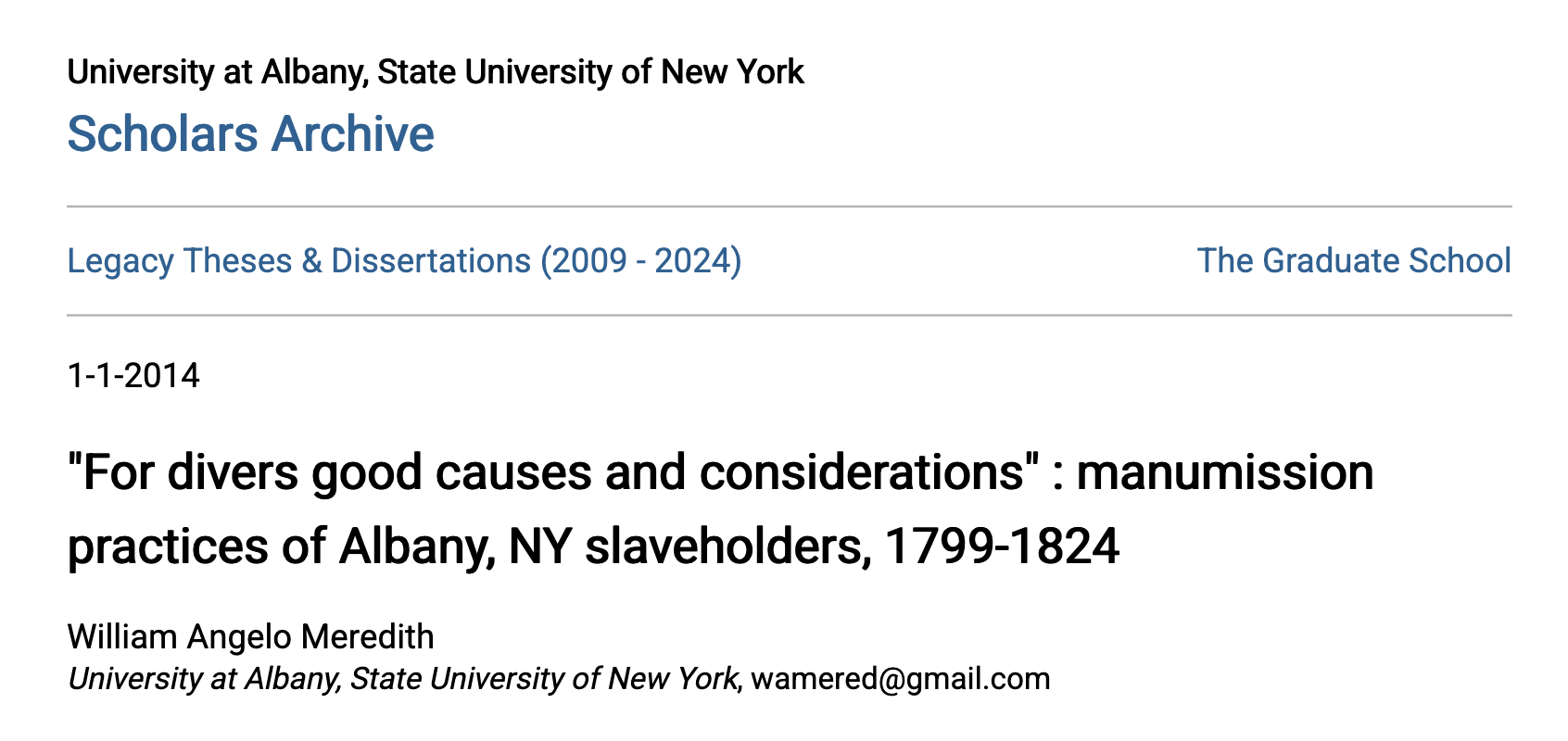
Meredith's work is also eye-opening as it reveals the peculiar and demeaning conditions those granting early manumission sometimes imposed on people they had enslaved. These included everything from immediate banishment from the state, to being bound to return on a fixed schedule to help with chores.
His highly-accessible study considers practices by Albany area enslavers including merchants and ministers, doctors and farmers, and their wives and widows. I recommend having a look at it here: https://scholarsarchive.library.albany.edu/cgi/viewcontent.cgi?article=2199&context=legacy-etd.
This short documentary also takes a close look at a particular area. Focusing on Ulster county, New York, it analyzes the slave-owning practices of a group of Dutch farmers in the Shawangunk mountains.
These historians did find outlying instances of enslavers whose special arrangements for former slaves might be considered "caring."
Such cases were outnumbered, though, by the many wills in which farmers dictated, in the same impersonal language they used to inventory furniture and livestock, how to distribute the humans they possessed to various relatives.
Based on early census records, I have not yet found evidence of enslavers among my Westerlo ancestors. My impression is that these particular Dutch farmers had large numbers of children, on whom they depended for help producing crops and marketable products such as shingles, butter, or cloth. They may also have hired relatives or young people from surrounding families for seasonal work.
These comparative numbers from Meredith help fill in New York state's broader picture over time,
"By the beginning of the eighteenth century, New York counted nearly 2,000 slaves within the colony, a number that grew to 20,000 on the eve of the Revolution,"
as well as conditions in Albany and New York City at the time of the Gradual Abolition Act:
"Albany’s population in 1800 stood at less than 5,000, but with a slave population exceeding 500, slaves comprised ten percent of the population. In comparison, New York City eclipsed 60,000 residents but with fewer than 3,000 slaves, only five percent of the city’s population was enslaved. "
Meredith's gleanings from the census for rural parts of the county are also interesting. In 1800, Westerlo was not yet split out from Rensselaerville, so the number of enslaved there is unspecified. At that time, the combined white population of Berne, Rensselaerville, and Coeymans was 10,918, while the enslaved numbered 178.
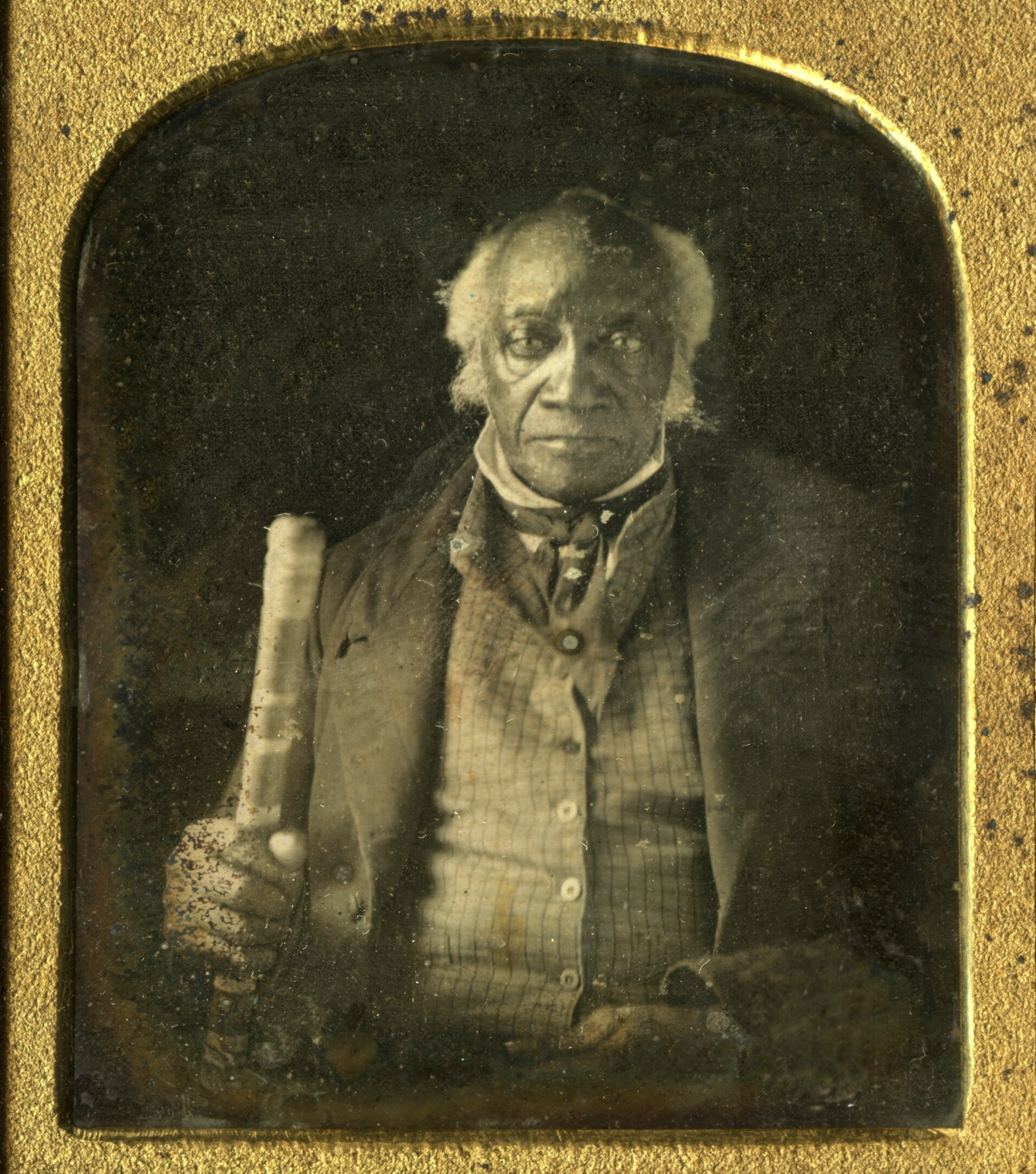
In Bethlehem, where Caesar may have been kept enslaved beyond legal limits, the enslaved population numbered 254, compared to 3,466 whites and 13 free blacks.
By the 1820 census, Westerlo had its own count, with 3,526 white people, 6 free blacks, and 8 enslaved there. Heads of households among the ancestors I've traced had only free whites living with them.
So, the mystery I mentioned in one of my earliest posts—which unnamed ancestor saved the receipt for the $600 purchase of a 16 year old girl named Hannah—is still unsolved. That's a thing about ancestors: we each have so many. And how often do the ugly truths get passed down?
As long as I was ignorant of that bill of sale, I could believe the family myth that "our ancestors were hard-working small farmers, too poor to own slaves."
That myth is shattered, for good.