Homecomings: Healing Through Restoration and Repair
What mementos and heirlooms do you possess, if you are lucky enough to have them? Photo albums, family portraits? Personal items like jewelry, or watches? Handiwork such as quilts, carvings or paintings? Cherished devotional items, stories handed down, family wisdom passed along?
I'm thinking about all kinds of inheritances lately. I've been sifting through the past, seeking to understand the various strands that make up this country's complex history. As described in recent posts, I've been learning about William Michael Gray, an ancestor who came over from Ireland alone as a child in 1845. He became a traveling peddler, and later a shop owner and farmer. On his cross-country peddling route, he met Harriet Wilsey Jennings, a descendant of Dutch farmers in the Albany area. They married and ultimately settled in Illinois, after his Civil War service in the Union army.
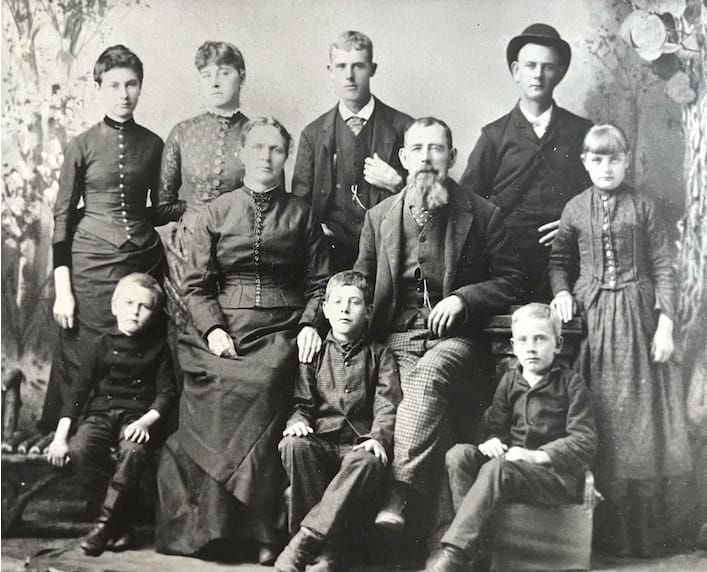
Gray's story of upward trajectory is a familiar one to those of us growing up in the sixties and seventies. It plays into the mythical American promise of success for hardworking individuals. In the photo above, my great-great-grandfather presides over a prosperous looking crew, all well-shod, abundantly buttoned up, and adorned with their watch fobs and neckties.
But this family story also depends on the downward trajectory of others no less worthy of our attention and respect. While Gray moved across the country selling his goods, indigenous people were being harried across the continent by settlers and the U.S. government. Confined to reservations, they were displaced from their land, traditional food sources, and cultural practices. This is part of what makes the Choctaw Irish famine donation story so poignant.
In post 47, I explored how one group, the Meskwaki, resisted this displacement, and how their history intersected with the Dutch immigrant settlers of the town where I grew up. As an update to that thread, today I'm happy to share some positive developments in settler-native relations.
 Ruth Ann Smalley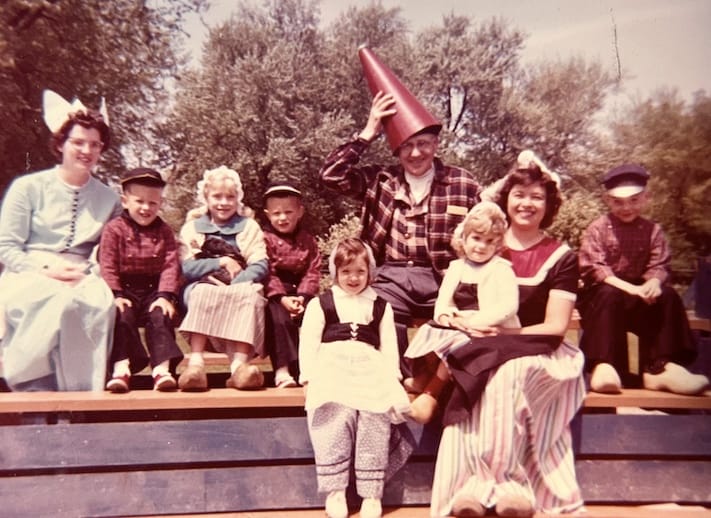
Last year the Nation welcomed back a set of tribal items held by the University of Northern Iowa. This spring saw the culmination of a century-long effort to bring home another set. It has been an exasperatingly drawn-out process, even with impetus provided by the 1990 Native American Graves Protection and Repatriation Act. But finally, last month, the tribal museum celebrated the homecoming of a massive collection previously held by the Missouri State Museum.
 Iowa’s News Now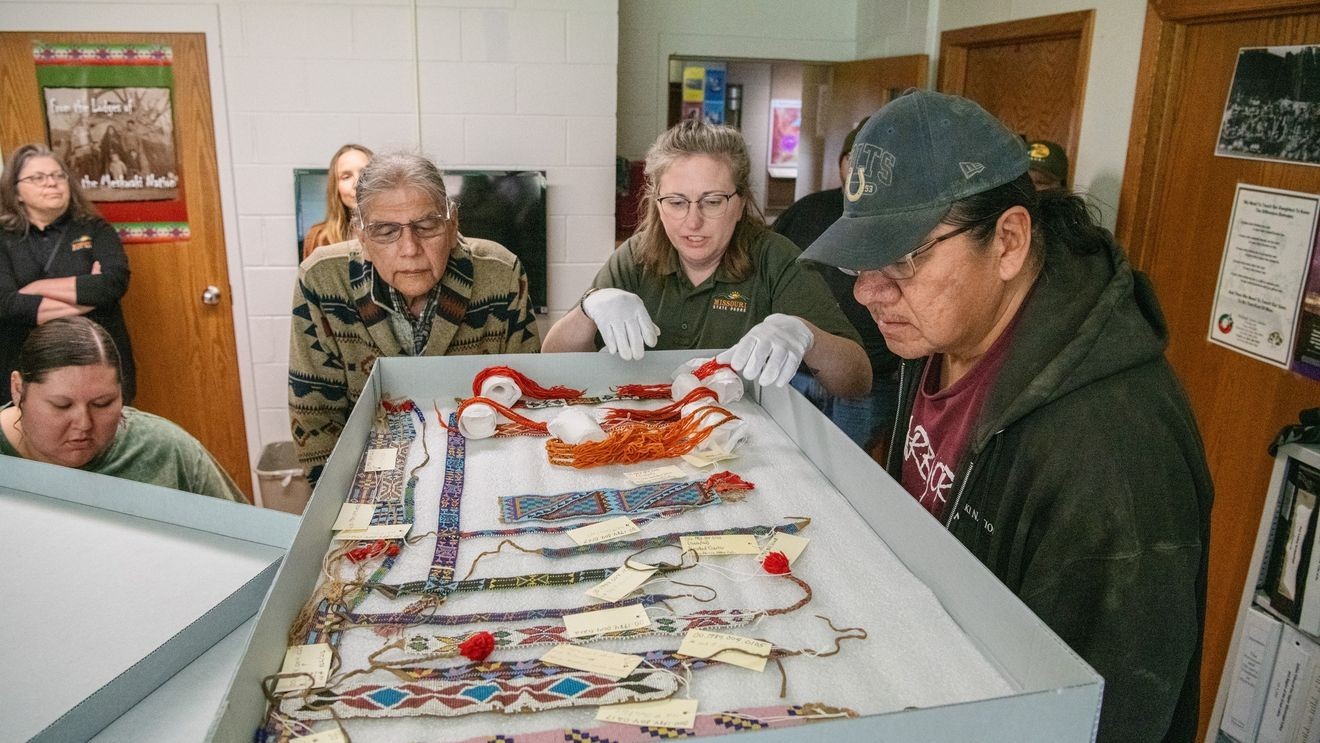

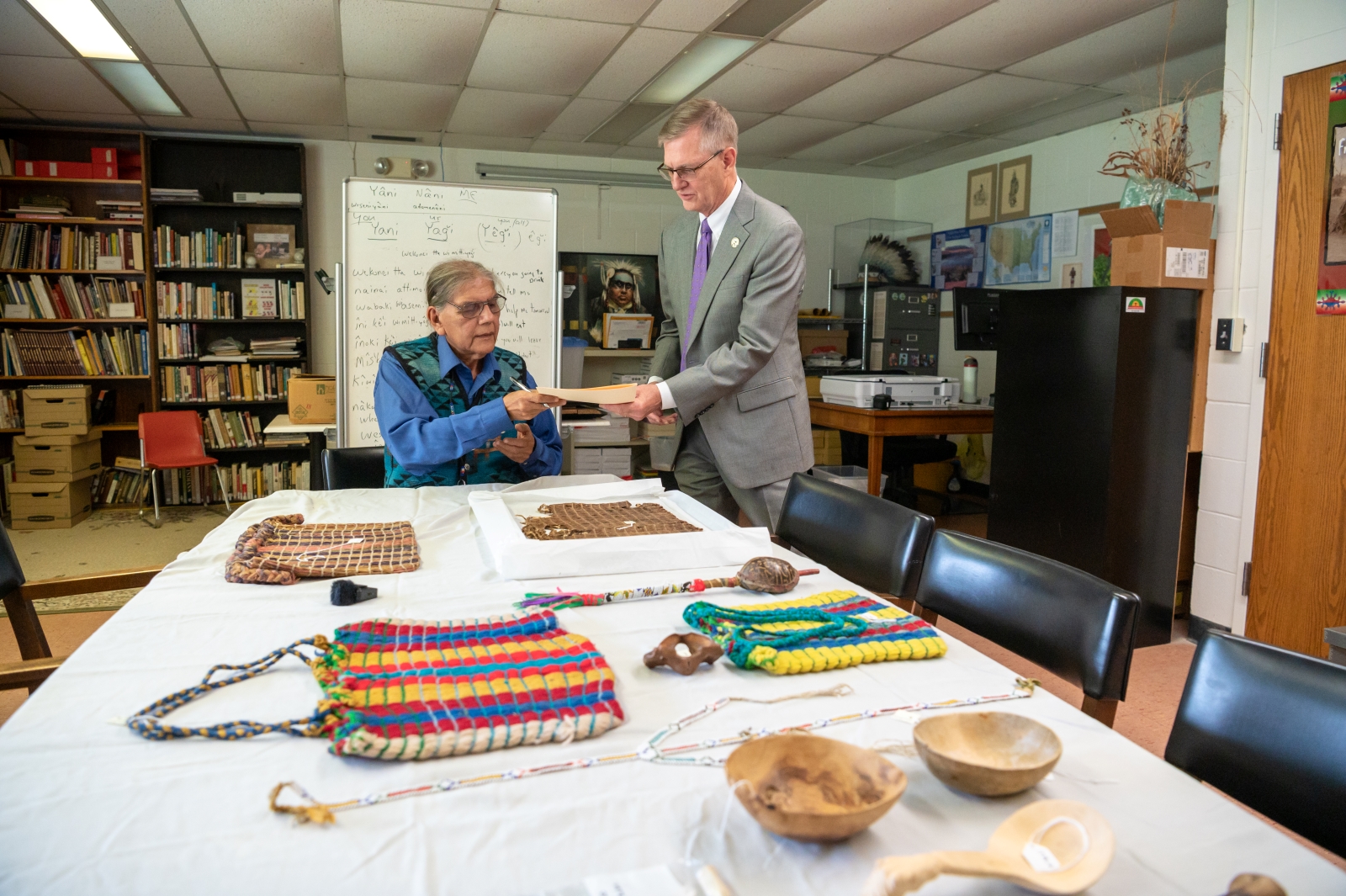
You can see more pictures of the beautiful bead work, moccasins, baskets and other items in their May newsletter:
Encouragingly, the University of Iowa—where that fellow student declared in the 1980s that Native Americans were extinct—has "become a model for respectful repatriation."
 Evan Watson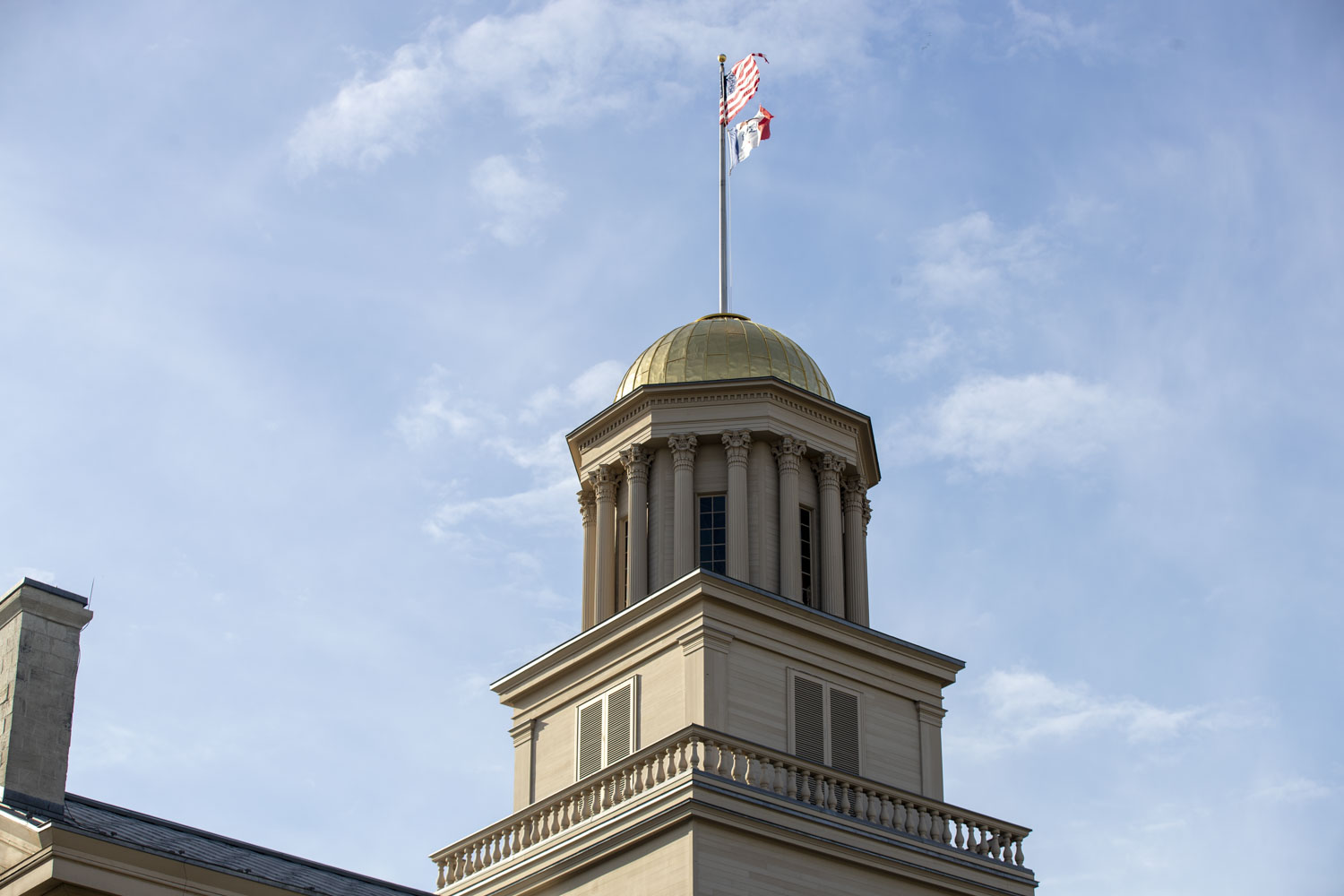
This collaborative work has also encouraged tribal youth to step into the fields of archeology and anthropology, which is bound to bring much-needed change. The article describes how, "in the 1980s and 1990s, many Native Americans viewed the field of archeology as one that was inherently predatory and more interested in dealing with deceased Indigenous people than living ones."
“Fast forward to today, and we do have young people in our tribal communities who are archeologists and anthropologists,” Wanatee Buffalo said. “Because of laws like NAGPRA and laws like what Iowa passed, we have the opportunity to learn from each other and improve and increase the amount of information and education so everybody gets a more complete sense of the history of this land we call Iowa.”
In my own region, there are also renewed efforts to collaborate with indigenous tribes who were driven out long ago. The Ulster county historian, Eddie Moran, has recently made a visit to Lenape descendants in Ontario, as part of this process of repair.
 Mia Quick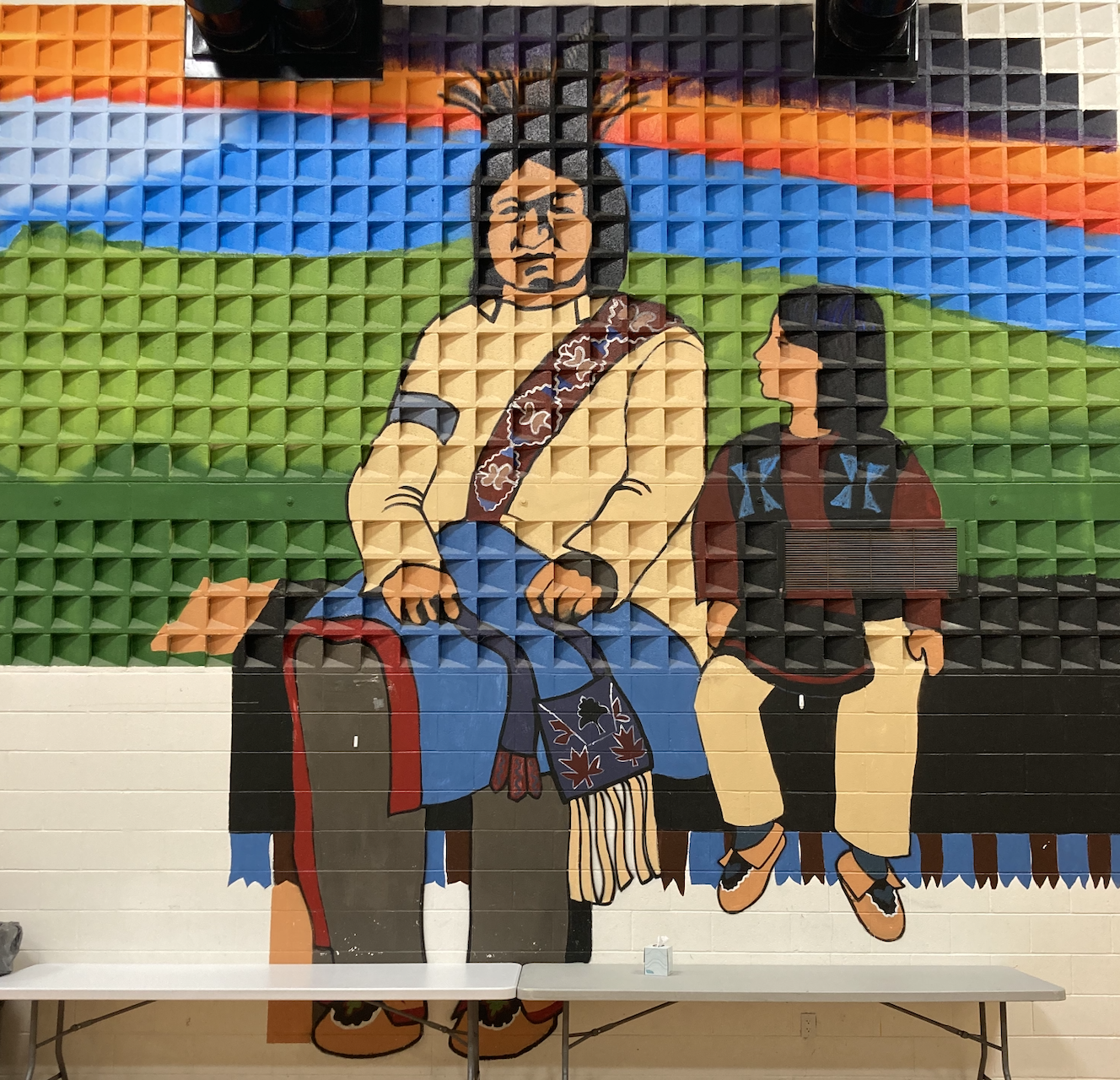
Quick reports that, "The work is meant to expand the county’s public understanding of its own history, Moran said, by placing Lenape history at the center rather than treating it as a preface to European settlement."
Moran and the Lenape descendants have met to share information and ideas; look for ways to increase tribal access to sites in their homeland; and discuss the renewal of an early treaty. Included in this process are efforts to determine whether Ulster county possesses items for repatriation.
I'd like to close by highlighting a best-selling novel which encompasses these issues. Ojibwe author Angeline Boulley's Warrior Girl Unearthed came out in 2023, and is set in the same locale as her 2021 debut, Firekeeper's Daughter. Engaging and fast-paced, this young adult novel follows twin teens from a Black and Anishinaabe family living on Sugar Island, near Sault Ste. Marie, Michigan.
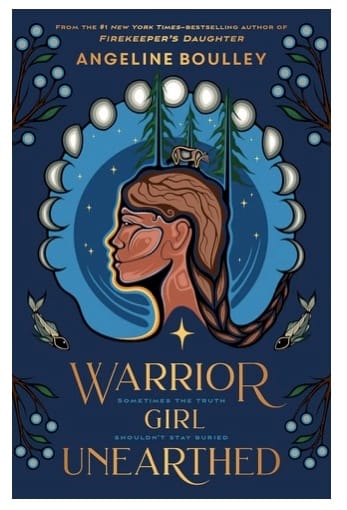
Boulley artfully puts this fictional account to work to bring out many compelling facts. The girls' summer internships expose them to issues of grooming, missing and murdered women, and the history of expropriation of native skeletal remains. Despite the heavy subject matter, the characters are drawn with humor and spirit.
Readers learn about the tensions between the tribe and the people and institutions holding their ancestral items, and the ripple effect on internal tribal relations, as one sister becomes a kind of reverse tomb raider. The question at the core of her work, Boulley tells us, is "Who controls indigenous bodies?"
The story is a page-turner and I'm looking forward to diving into Firekeeper's Daughter, as well as her 2025 novel, Sisters in the Wind. My summer fiction reading is cut out for me.
Finally, to whet your appetite—don't let the YA designation stop you, adults—here's a delightful conversation with the author. In this video, April Lidinsky hosts Boulley on her Dinner and a Book show. Boulley shares recipes for venison, wild rice, and maple crème brûlée during a lively discussion of how she came to write the story.
I was delighted to come across this while researching for my post, because it contains another lovely throughline. April was a friend and classmate of mine at the University of Iowa. This fact confirms my growing sense that more connections become visible, the more one opens up to finding them. I hope that this week's post can open up some meaningful connections for you, as well.