Unexpected Gifts: Empathetic Alliances

"He carried the black cast-iron kettle that contained stew. Above us, I could feel the life returning to the trees. Tommy said, 'Think of how many people have carried this kettle.'
I did. I thought of it. It was iron that had probably been mined from our own earth. Suddenly, I saw how old it was, this kettle. It had witnessed the killing of my people. It had been fired by trees that were no longer there, and forged in the presence of women talking at night . . . . Agnes once said that it had contained a soup of rocks, twigs, and moss. Food for lean times.
It had other uses, too. It had bathed my grandfather, Harold, when he was an infant. It held a river. It was alive." Linda Hogan, Solar Storms
**********************************************************
I have just returned from a family wedding in Ireland. Standing at the stove this morning, I realized that the trip has forever changed what it means to me to make porridge.
Let me back up a bit. In a previous post, I wrote about nearby Stockbridge, Massachusetts formerly known as Indian Town. I described how I'd found out about its history through learning that Joe Pye Weed is named for an 18th-century Mohican Sachem, Shauquethqueat, called Joe Pye by settlers in the town:
 Ruth Ann Smalley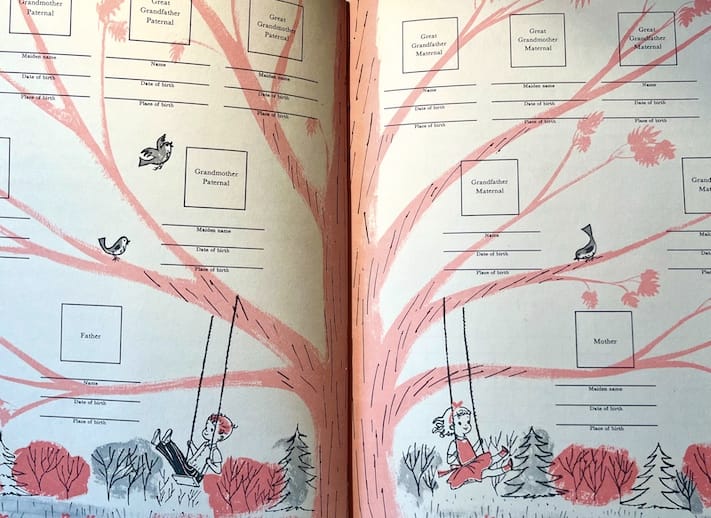
Shortly after I wrote that, we visited again and took the self-guided Mohican walking tour. I was amazed to see that Joe Pye's kettle has been found and repatriated to the Stockbridge-Munsee Band.
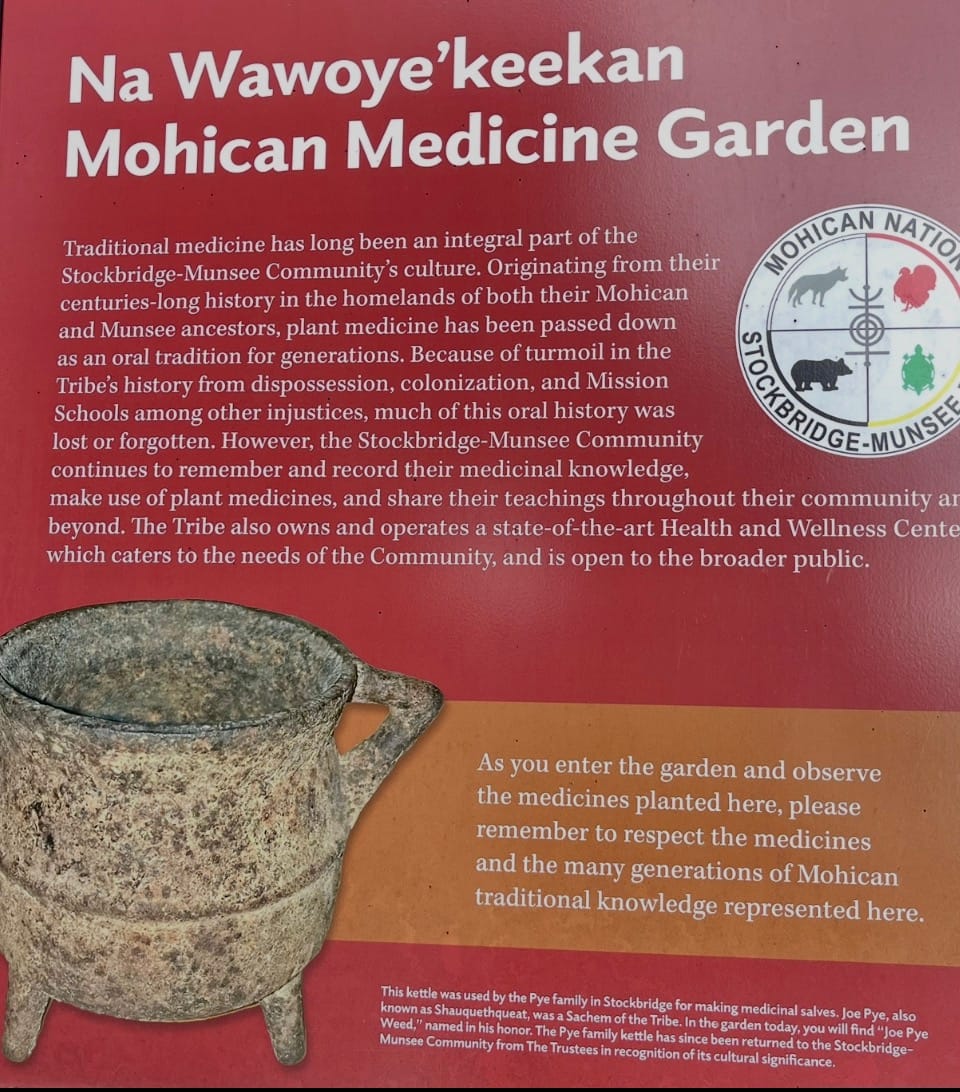
For me, learning of Joe Pye's kettle evoked Chickasaw writer Linda Hogan's powerful kettle description above, from her 1995 novel. Solar Storms portrays the lives of native women in the Boundary Waters between Canada and Minnesota, as they fight against the imposition of hydroelectric dams on their lands. I recommend this and her 1991 novel Mean Spirit to every settler who is ready to confront the history of energy and extraction on North America's colonized native lands.
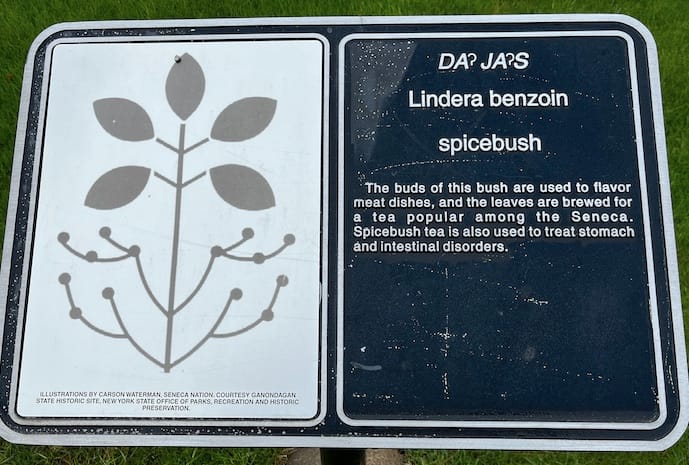
Hogan's reference to the soup of twigs brought to mind the plant illustrations by Seneca artist, Carson Waterman, that I wrote about in my most recent post:
Ruth Ann Smalley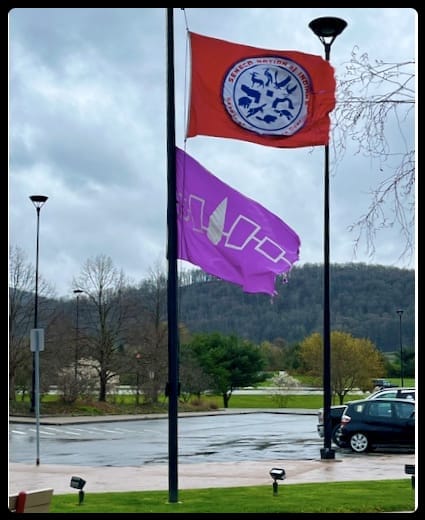
And this particular plant used in digestive disorders began to feel like a sort of foreshadowing, as I encountered more evidence of the epic dimension of Irish starvation during the 1840s.
As we traveled around Ireland, the throughlines and connections seemed to multiply.
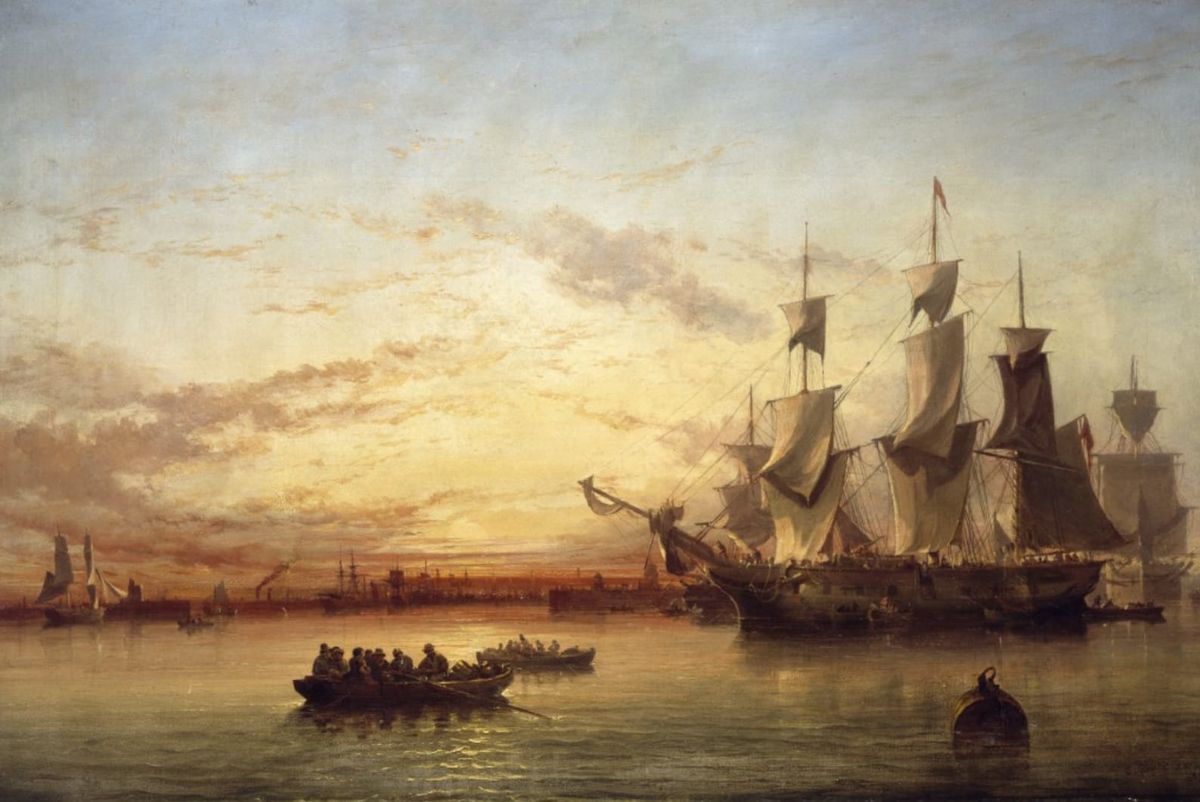
My great-great-grandfather, William Michael Gray, was born in Ballyjamesduff. He left for America at the beginning of the famine, when his family disbanded after the death of his father. A teen-aged brother was already in New York. An older sister married and left for London, another married and left for Australia. One sister arranged my 9-year-old ancestor's passage on a ship, where he worked in the kitchen on a journey that typically took about six weeks. I stood a long while in front of the Hayes painting above, when we found it in the Irish National Gallery in Dublin.
When we saw that the Gray ancestral village was not far off our route between Dublin and the wedding site, we took a quick, unplanned detour to stop in for lunch. Imagine our surprise when, days later at the open mic after the wedding, the Irish mother and Australian father of the bride—without knowing our story—got up and sang an emigration song we'd never heard before: "Come Back, Paddy Reilly, to Ballyjamesduff."
After the festivities, we drove on to our lodgings in Donegal and began exploring the area. In the partially restored castle, we found another surprise.
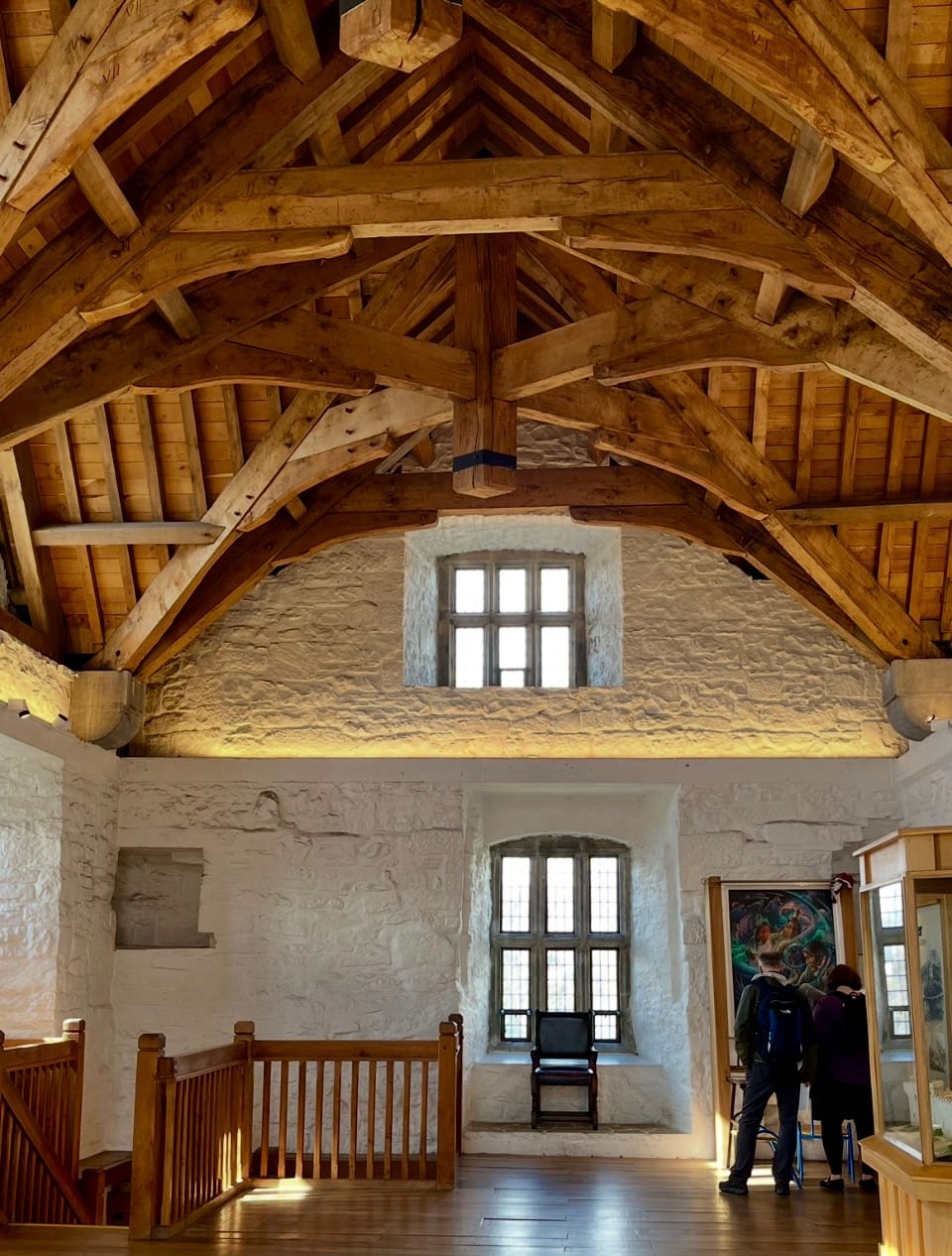
I had been reading about the two sculptures of mutual appreciation between the Choctaw and the Irish, but Midleton was too far south to manage a visit to the Kindred Spirits memorial. Little did I know there would be remembrances here in Donegal as well.
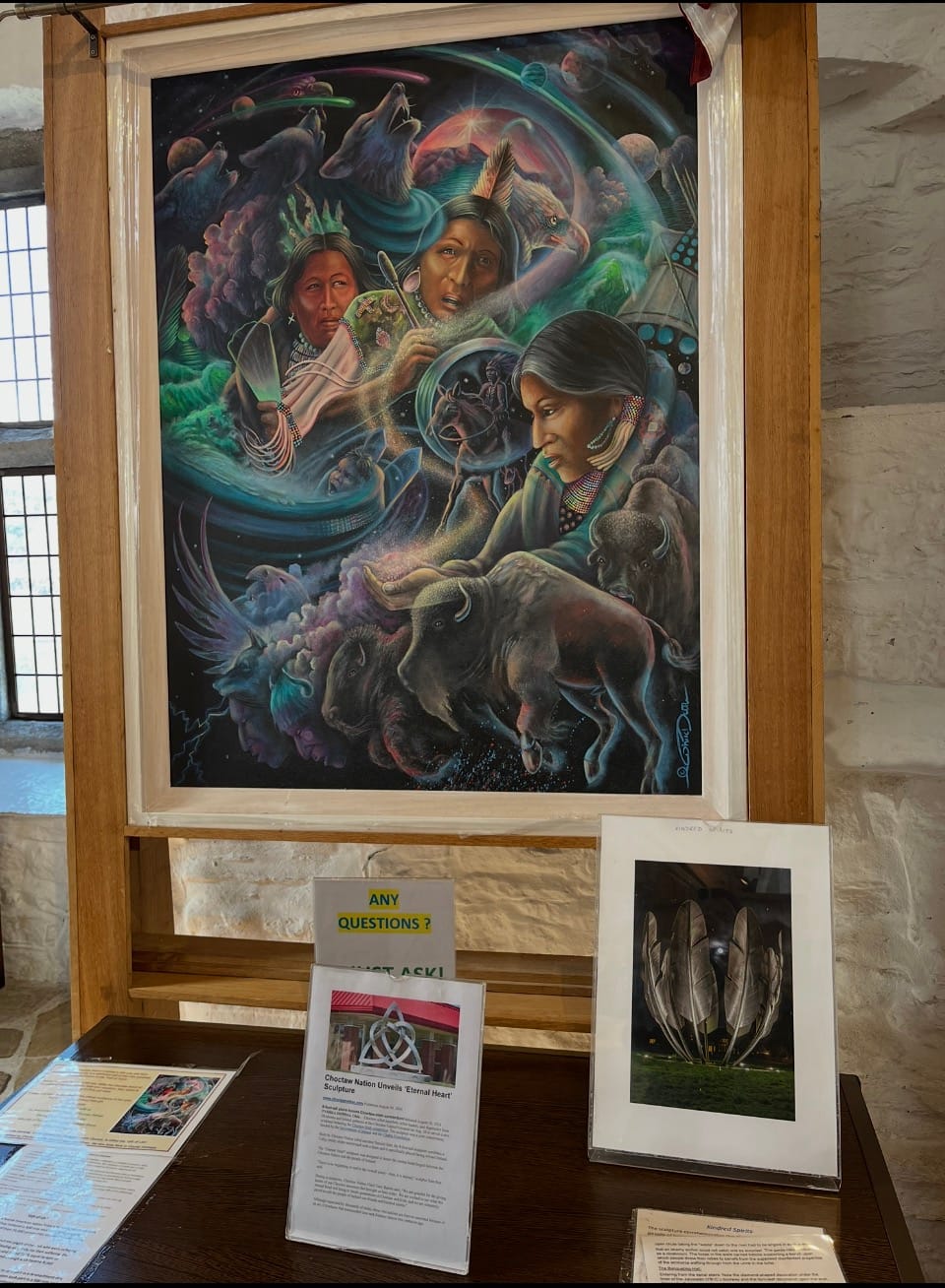
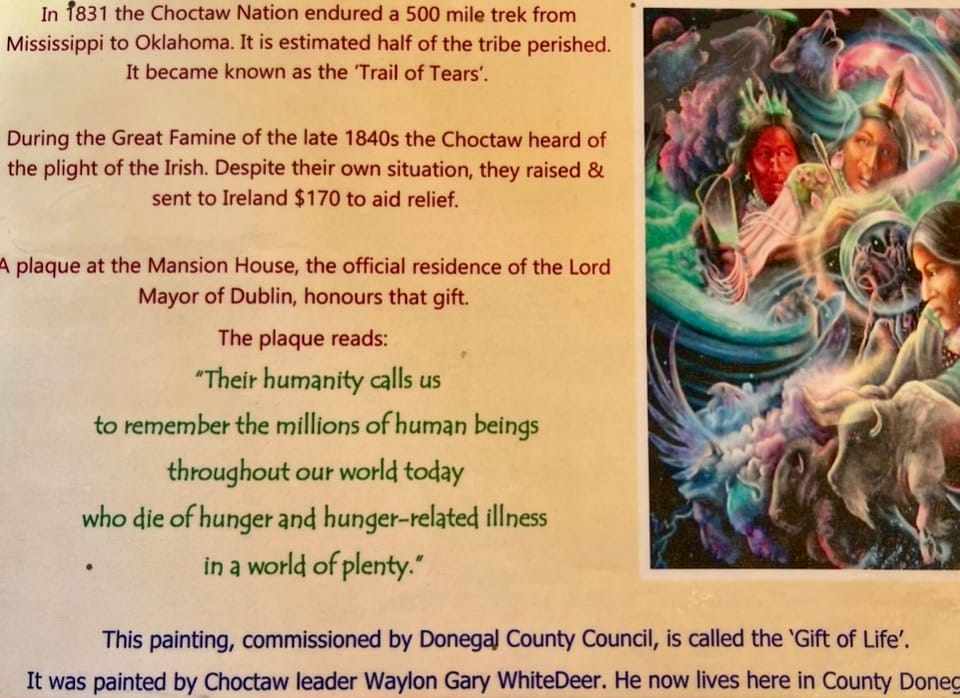
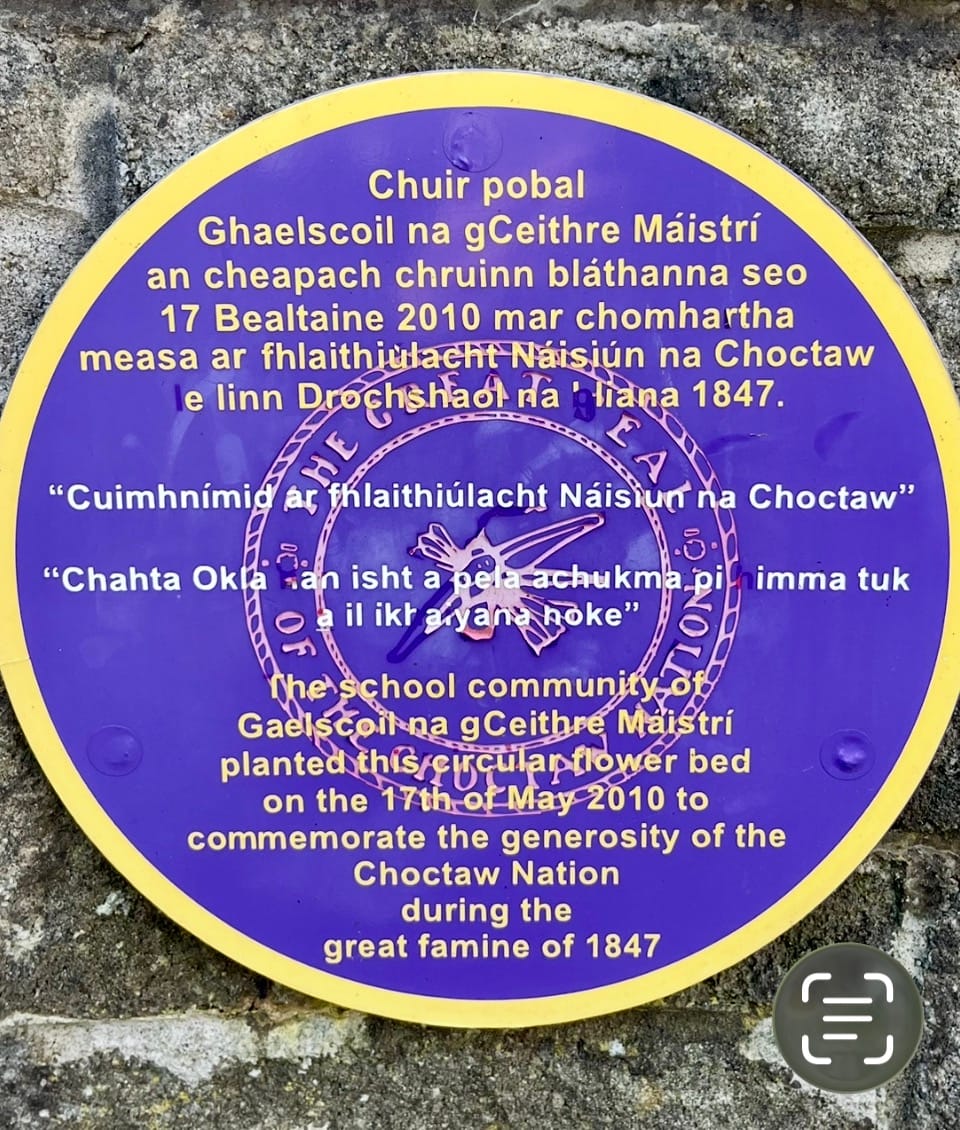
Choctaw artist Waylon Gary White Deer's painting, with photos of Choctaw sculptor Samuel Stitt's Eternal Heart Sculpture (2024) in Oklahoma, companion to Ireland's Kindred Spirits sculpture (2017); story of the Choctaw donation; and the plaque honoring Choctaw generosity at the Donegal famine graveyard.
The historic and ongoing connections between the Choctaw tribe and the Irish are an incredible and inspiring story in themselves. I hope to write more about them and the artists mentioned here in a future post.
The abbreviated version is the one described in the caption displayed at Donegal Castle: "During the Great Famine of the late 1840s the Choctaw heard of the plight of the Irish. Despite their own situation, they raised and sent to Ireland $170 in relief aid." There are various estimates of what that would be in today's money, but it's probably around $5,000. Quite a sum for a people who, forced onto a 500 mile Trail of Tears a little over 15 years before, had lost half their tribe.
Some of that aid went directly into food to fill these famine pots:
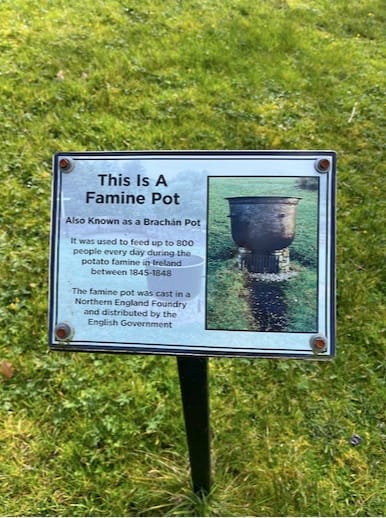
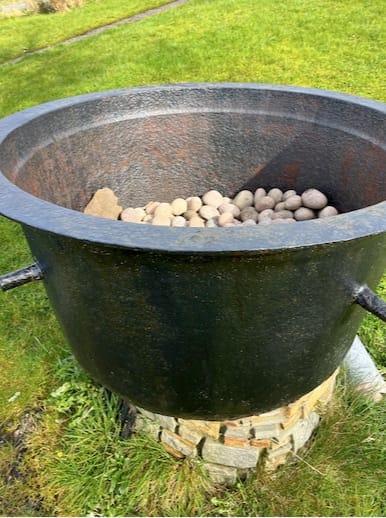
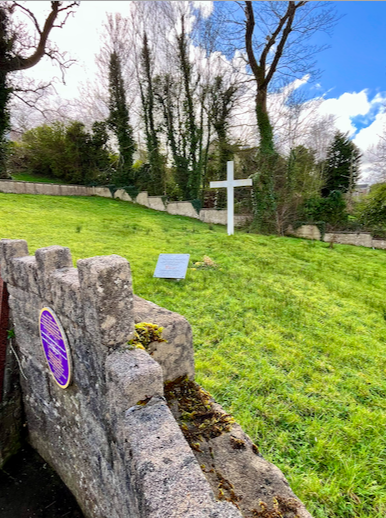
The Brachan pot next to the Donegal famine graveyard
Organized by Quakers, these huge cast iron pots were distributed all over Ireland, to provide soup and porridge to the starving people. Food for lean times, like the twig soup in Solar Storms, and never, never, enough.
About a million people are estimated to have died due to the famine, of a total population of about 8.5 million. Over the period of 1845-1855, over 2 million left the country in desperation. This burial ground lacked even the ragged stones marking the graves of the poor that we saw elsewhere, and I wondered how many bodies it concealed. Later, I was shocked to learn that one famine graveyard in Skibbereen held anywhere from 8,000 to 10,000 bodies of the starved.
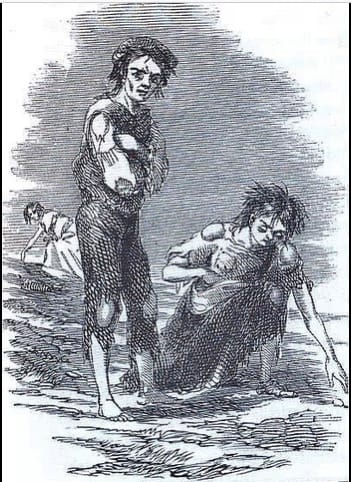
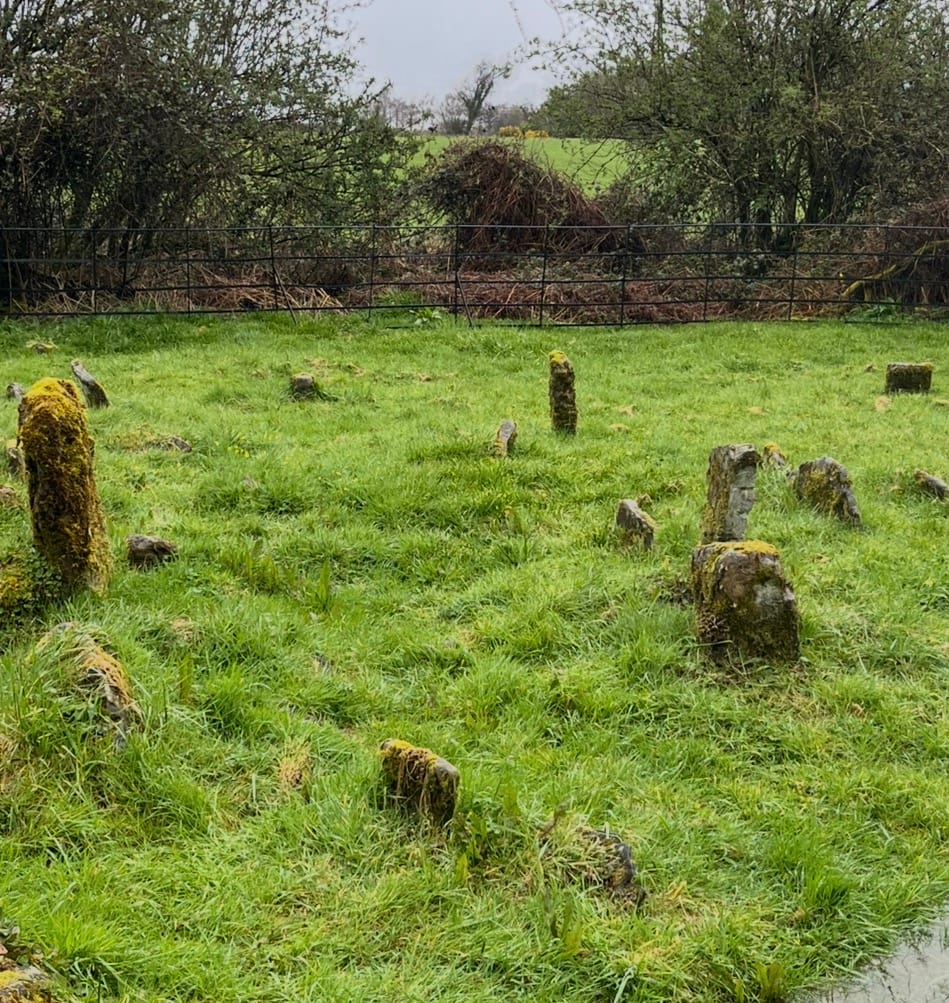
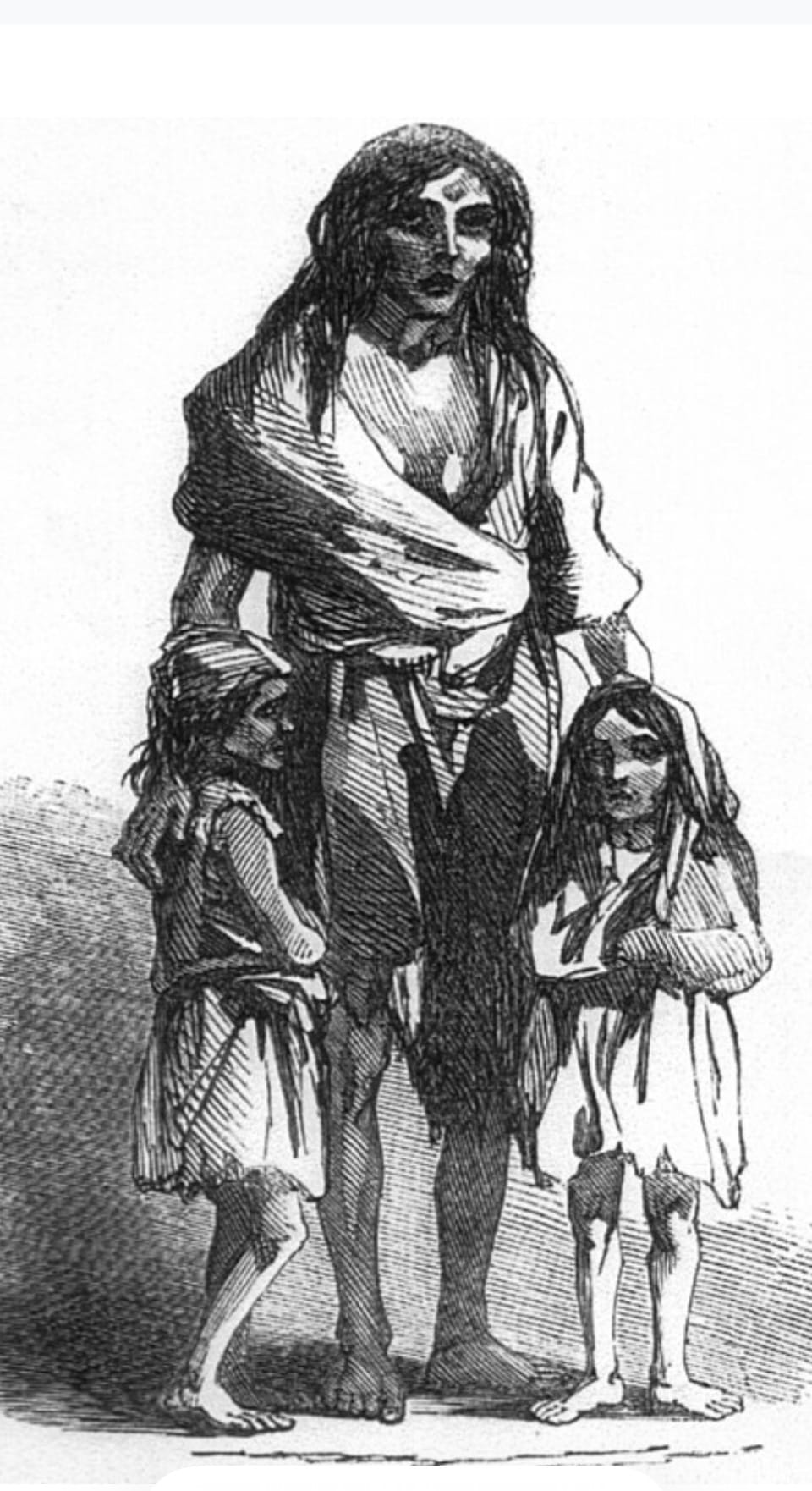
Cork artist James Mahoney's 1847 illustration of famine at Skibbereen, from the Illustrated London News; graves of the poor seen at Caldragh graveyard; depiction of Bridget O'Donnel from the 1849 Illustrated London News.
There is so much more to be said about this than I can possibly include here, but these lines from the plaque honoring the Choctaw donation at Donegal's Mansion House sum up a great deal:
"Their humanity calls us to remember the millions of human beings throughout our world today who die of hunger and hunger-related illness in a world of plenty."