Seeing What We Haven't Seen Before

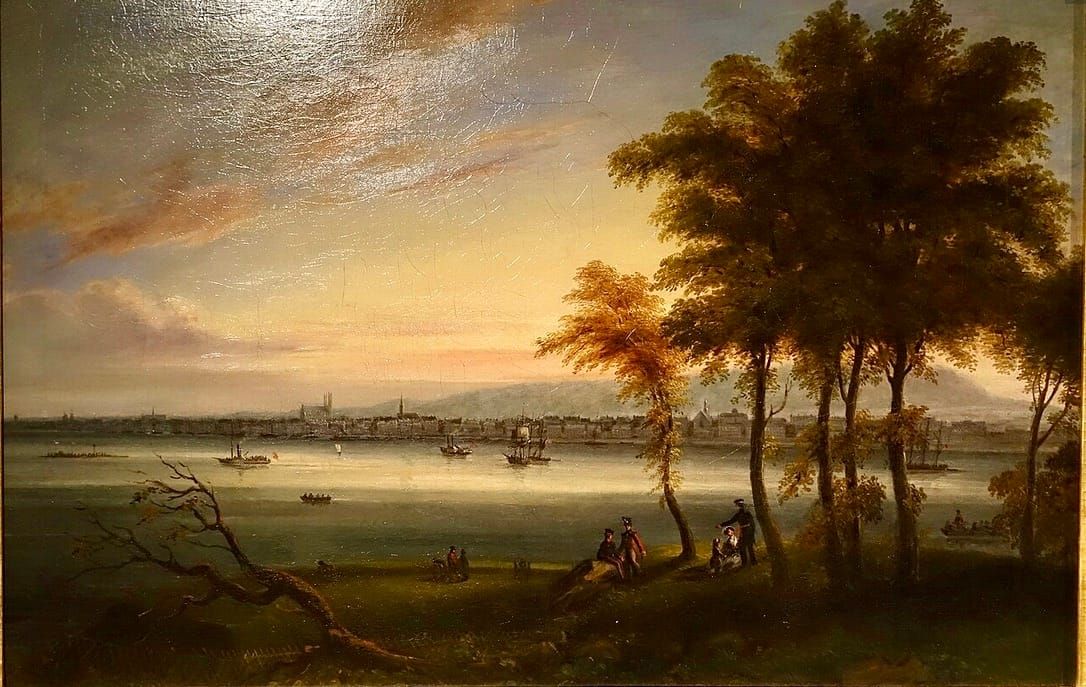
I have a memory of an event that seems so bizarre, I sometimes wonder whether I've gotten it wrong. It happened while I was in England on a study-abroad program in my late teens. I walked past a workman who was standing chest deep in a hole in the street. From that hole, he pulled a human skull, and placed it on the pavement beside him. He performed the task as casually as if it were a brick or a rock.
How did I account for what I'd just witnessed? "I guess that's to be expected on an island that's been densely populated since ancient times," I thought. Start digging around under modern infrastructure and you're liable to find human remains.
Of course, I was naive to believe that I came from a place where "civilization" was a relatively recent affair. And to think that Americans wouldn't be just as likely to pave over the forgotten dead.
I'm recalling that incident because this week I stumbled onto another trove of stories—stories swept from memory or lost within the gaping holes in our education. Many have been working to bring these stories back to the surface. We need to hear them, to understand our past and how it informs our present. There is so much to know, and so much to distract us from the hard task of learning, and of taking that learning to heart.
My recent research has felt as surprising and disorienting as seeing the skull lifted from the street all those years ago. I don't yet have a strong grasp on it all, and it's challenging to shape my impressions into a coherent narrative. But I do know that I'm thrown back to words I quoted last week from Choctaw artist, Waylon Gary White Deer: "Ireland has given me a way to see things I hadn't seen before."
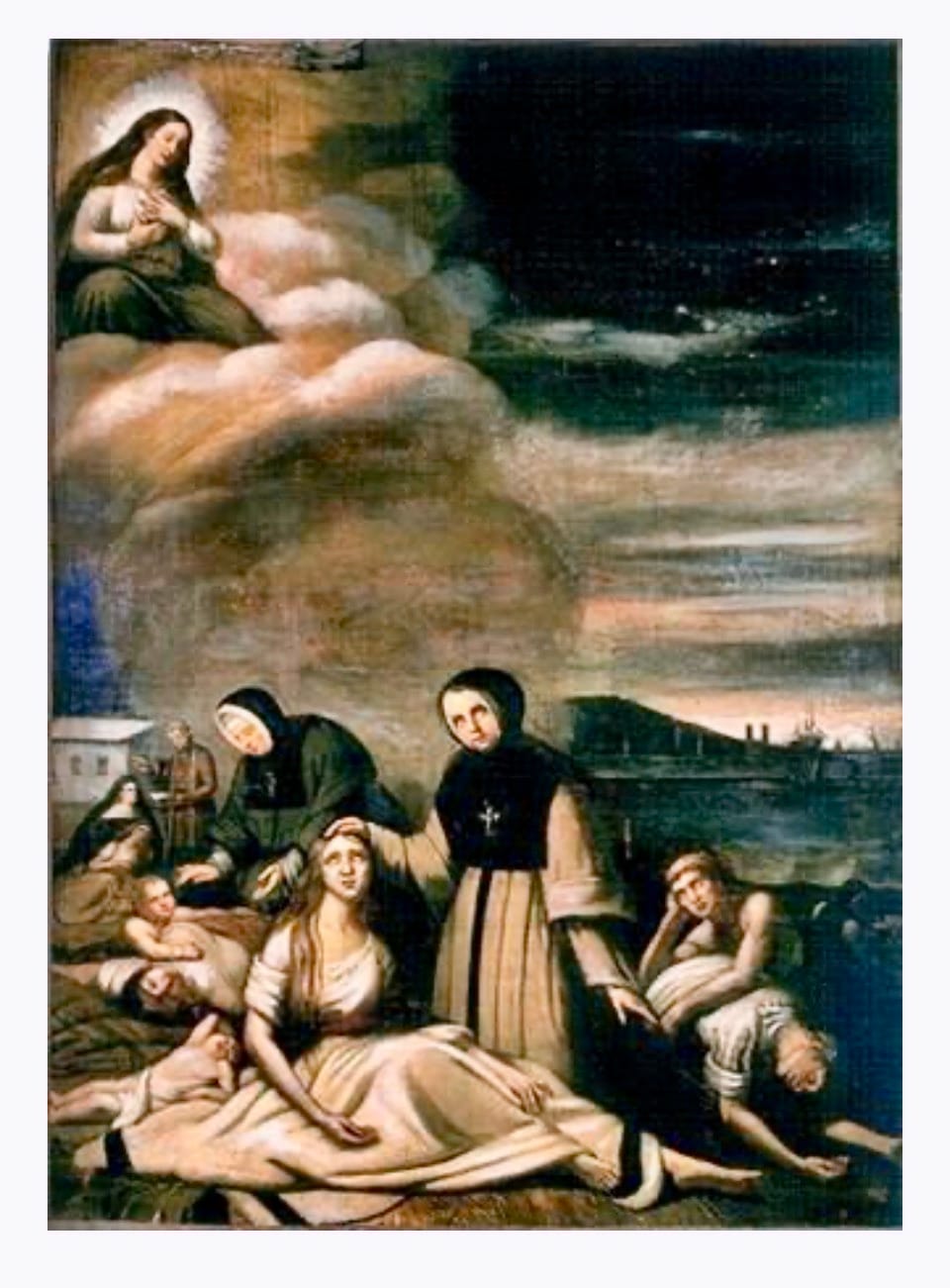
A few days ago, a college roommate shared a social media post about the Grey Nuns of Montreal. The account looked AI-generated and cited no sources, but caught my attention because it resonated with the throughlines I'd already been tracing. It described the 1847 arrival of Irish famine immigrants to the city, and the people who were willing to put their own lives at risk in the hastily-built "fever sheds," to nurse those suffering from typhus.
"It represents the largest humanitarian effort in Canadian history. And nobody knows the story.” Scott Phelan, Director, Monument Park Foundation
As I've written before, my 9-year-old great-great grandfather was sent to New York by relatives in 1845. But by 1847, the hunger all over Ireland had become devastating, the countryside full of "walking skeletons" seeking relief or a way out. The article linked below offers a good overview of the perfect storm of political factors contributing to the tragedy. Here's an aspect that stands out:
"Some landlords saw emigration as an opportunity to clear tenants off their property, consolidate their holdings, and thereby increase the efficiency and productivity of their farms. Amendments to the tax system required landlords to pay according to the number of tenants on their land. It therefore made economic sense to pay for their tenants’ passage out of Ireland. Some landlords added a bonus if the tenants tore down their own cottages before their departure."

Additionally, changes in transport led to shifts in immigration patterns:
"A ticket to British North America cost more than three pounds — almost six months’ earnings for an unskilled worker . . . American passenger transport regulations raised the fare to ports in the United States . . . to five pounds. At the depth of the Irish famine, British North America thus became the preferred destination for famine refugees. Many intended to continue their journey to the United States, but the tidal wave of refugees would first hit the shores of Canada East and New Brunswick."
And tidal wave it was. Many died on the long passage in the crowded "coffin ships," or while in quarantine at Grosse Isle. But about 75,000 made it to Montreal, where they vastly outnumbered the existing population of about 50,000. Scott Phelan describes the scene:
“"When you think about (coffin) ships coming in, disgorging hundreds of people every day, people who are malnourished, even starving from famine, they’ve got only the clothes on their backs, they’re unilingual Irish speakers, they don’t speak English or French for the most part, and to the eternal credit of Montrealers, the city comes together to help them, to care for them,' Phelan says."
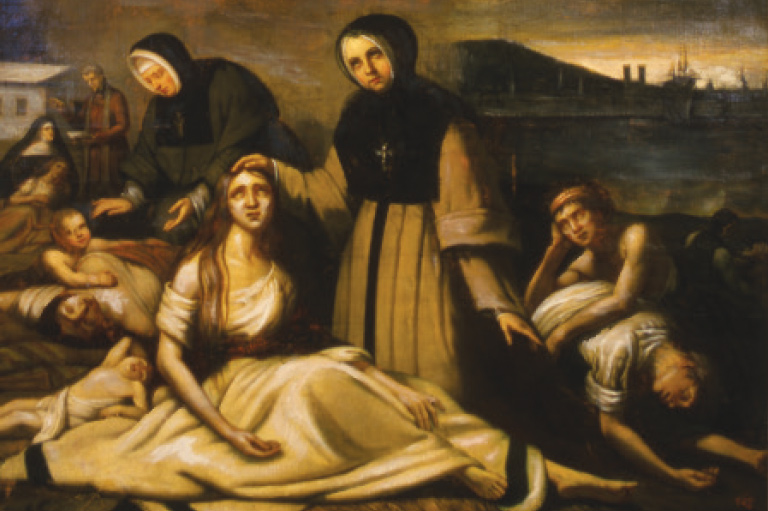
“'Nuns set up fever sheds. Doctors come. Nurses. Grey Nuns die from the fever sheds, other sisters get sick and yet when they recover, they go back to serve the sick and the dying. The mayor, John Easton Mills, he’s an American, but he goes to the fever sheds to help and gets typhus and dies in November. Montrealers give clothes, they provide food, they provide jobs, they take in over 1,000 orphans.'" (Stockland)
Peter Stockland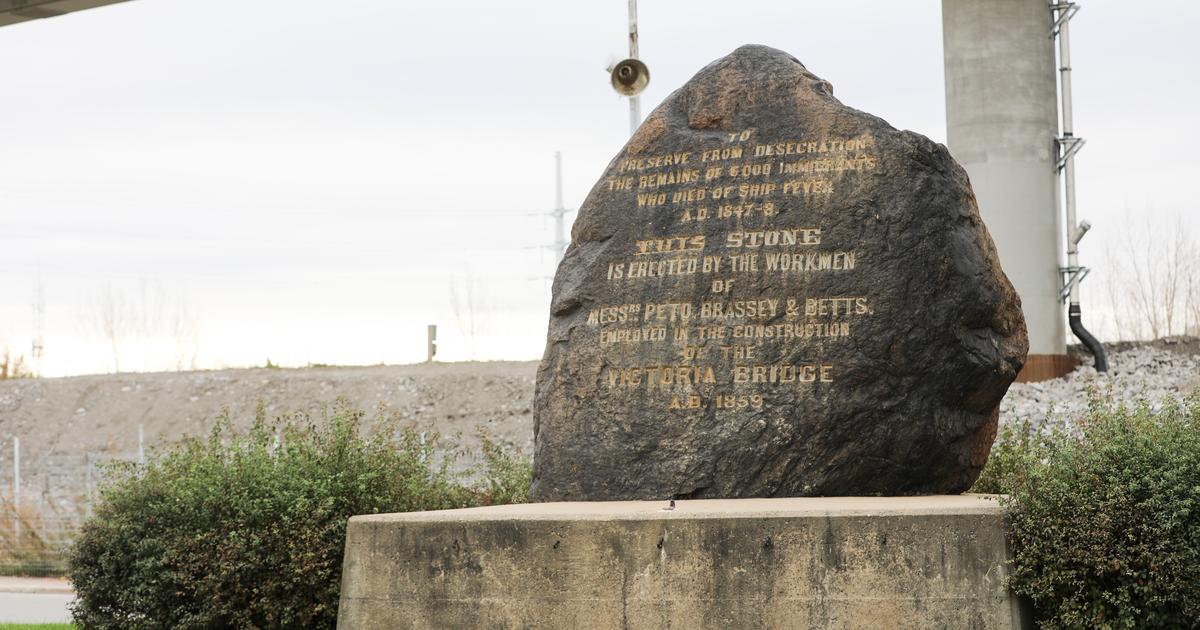
The Grey Nuns and the Sisters of Providence, other Catholic and Protestant clergy, and doctors and nurses all labored in the fever sheds. Many of the caregivers lost their lives as well. You can find out more from records of this time, here:

This website offers a great resource for information of all kinds about the Irish hunger diaspora:
Having just visited a famine graveyard in Donegal, I was shocked to learn of an enormous one in Montreal. I'd even been near the area without knowing it.
The Ship Fever Monument, or Black Rock, marks where an estimated 6,000 Irish people were buried during the typhus outbreak. Some believe that site also holds the remains of Indigenous and African people as well:
Read more by Eve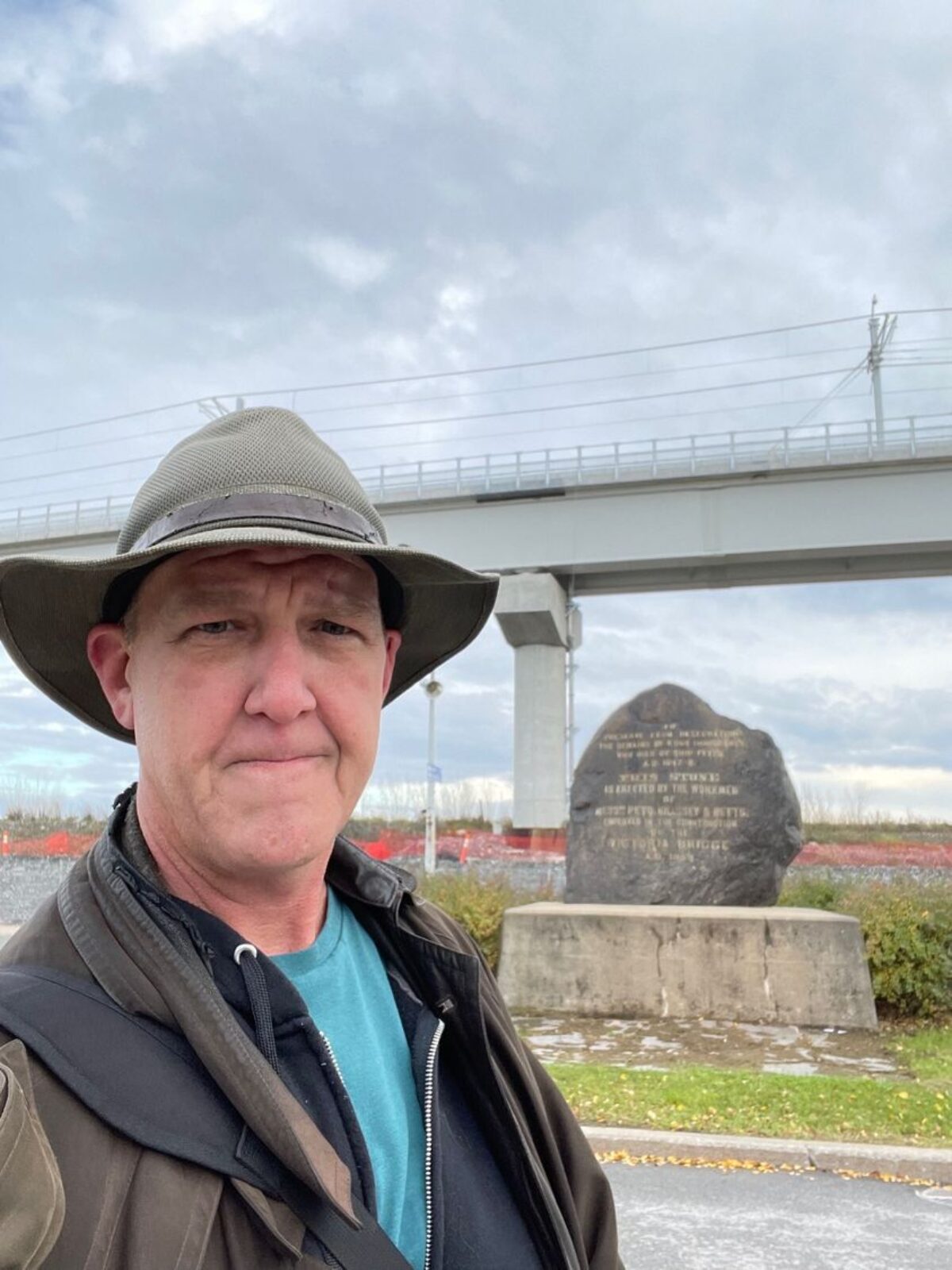
Some of it was paved over in the 1960s for freeway access. More recently, as The Catholic Register reports, construction has disrupted the bodies:
"The boy, estimated to be 14 or 15 years old, was discovered as a set of bones by archeologists called in during 2021 to undertake a dig before pylons to support Montreal’s new elevated rapid transit system were sunk into the cemetery. The lad was one of a dozen or so skeletons exhumed from the top three layers of the buried, and sent for analysis at a lab in Trois Rivières. It’s entirely possible, Phelan says, that DNA might eventually reveal names and origins. Until then, the boy, whose deformed arm and leg indicate he walked with a crutch, will remain an anonymous young Irishman who brings memory and history alive."
For over 155 years, there's been an annual famine walk to the rock to honor the dead and memorialize the tragedy. Efforts to create a park there have been underway since about 2015.
Parks, Not Pavements
A bit of quick research on New York has led me to two massive, unmarked famine graveyards on Staten Island:

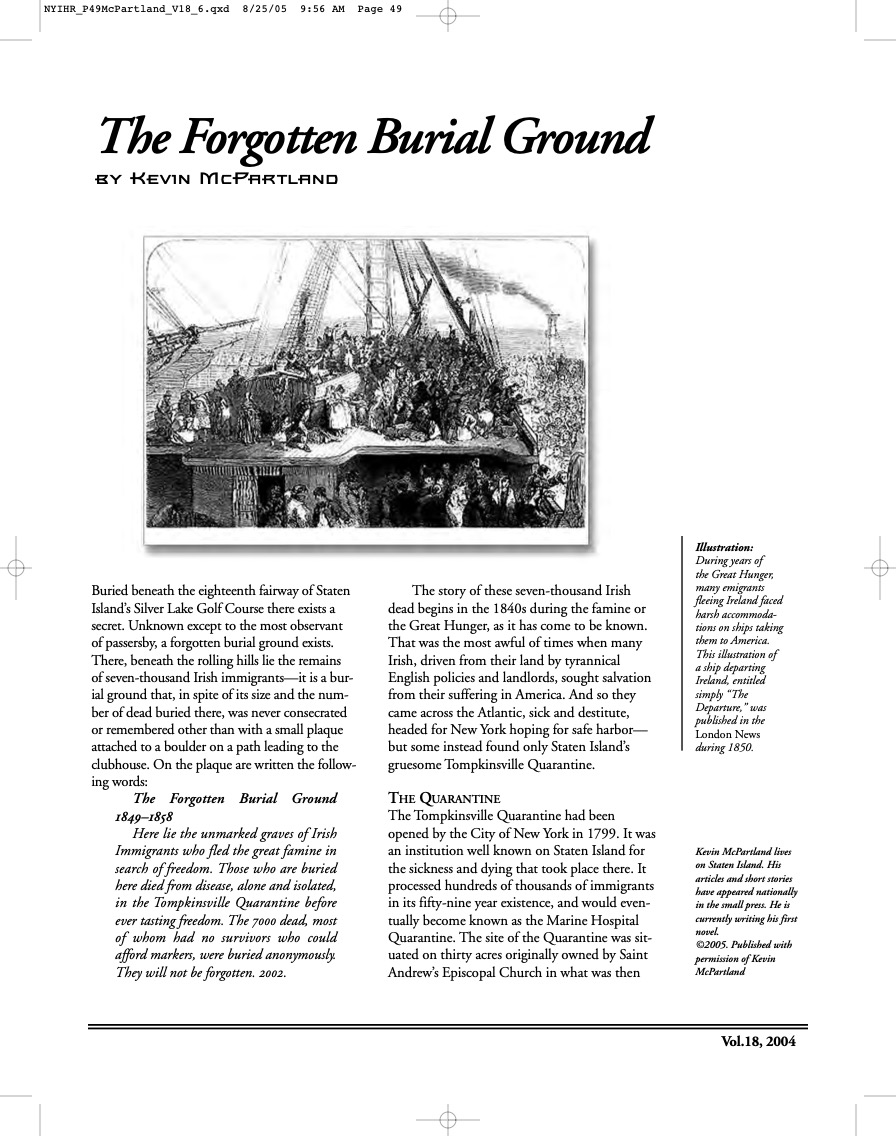
One had been paved over, another turned into a golf course. Some remains unearthed during construction twenty years ago have been re-interred elsewhere.
There are stories within stories yet to be told.
I'd like to end with one that parallels the Choctaw famine aid I've already touched on. Information about indigenous donations in Canada has been coming to light. According to Mark McGowan's "Kindred Spirits of the North,"
"The Mohawk Nation of Kahnawake, south of the city on the St. Lawrence River, immediately responded to the Irish, bringing food from their lands to the fever sheds. In addition, despite living in poverty themselves, former Chief Christine Zachary-Deom reported that the Mohawks took up a collection for Irish relief in Montreal, raising about $150, or just shy of $5,000 in today’s Canadian dollars. This was an enormous sacrifice for a people that had been marginalized and made sedentary near the great Island that once housed their council fires. At the time, Governor General, Lord Elgin, wrote to the Colonial Office indicating that “several Indian tribes expressed a desire to share in relieving the wants of their suffering white brethren.”
Professor McGowan describes how
"By the middle of May, the Mohawks, Haudenosaunee of the Six Nations of Grand River, Chippewa (Ojibwa), Delaware, Wyandotte, and Mississauga peoples had donated £115 to the Fund. By early June with further donations from the Saugeen, Ojibwa of Lake Huron, and Moravian Ojibwa, the total Indigenous gift to the Relief Fund was £172, or over $19,000 in today’s Canadian currency." (https://stmikes.utoronto.ca/news/kindred-spirits-in-the-north )
If you've made it this far, thanks for sticking with me. I'd like to close with some powerful music. The stories and the voices in this film are incredibly moving, far beyond anything my written words can convey.
It is painful to contemplate how many suffered and are lost to history, disappeared into unmarked graves. But this is how we keep remembering—by learning, by listening, by seeing how others have crossed barriers of culture, class, and language to help—so we can keep extending compassion towards others.