Post 48: Ancestors, Known and Unknown

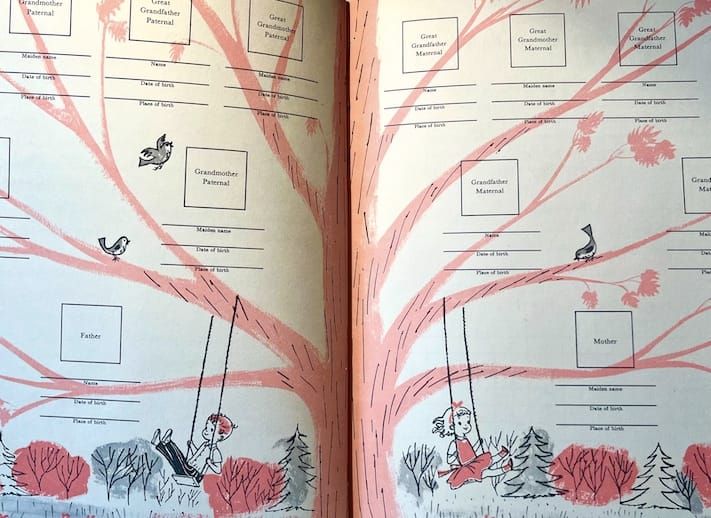
What common threads link Route 66; a recently-constructed airport exit; a nature preserve near an industrialized port; and a quaint village in the Berkshires? Read on to find out!
I'm pulling on several strands this week, hoping to weave them together here into a tableau of sorts. My depiction spans two different incursions of the Dutch, two centuries apart. It's a picture of ancestral trails, representing aspects of immigration and indigeneity.
You know the old expression, "All roads lead to Rome?" Based upon the Roman Empire's extensive road-building, the phrase suggests both the expansionist tendencies of empire as it works its way through the territories of others, and the centering of imperial potency in the grounds of its ruling city.
"All roads lead through someone else's home," is the variation that occurs to me as I consider this country's notion of Manifest Destiny.
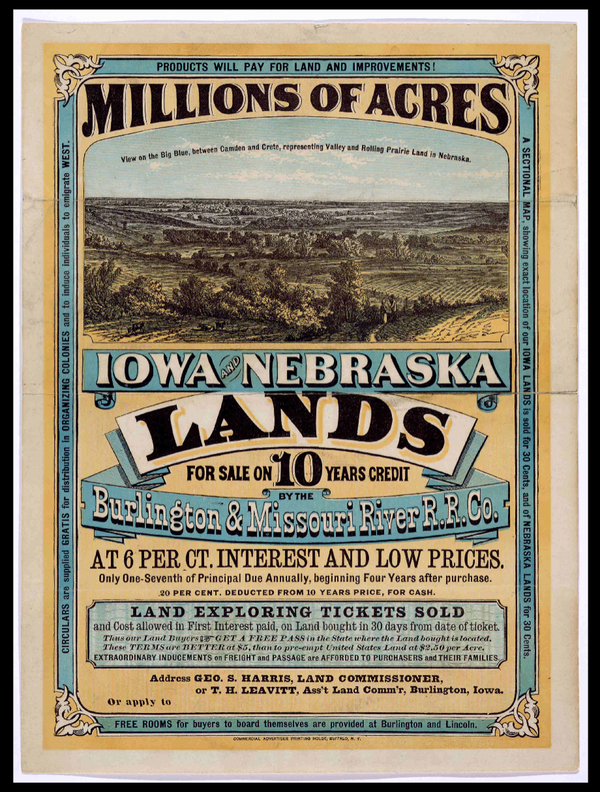
Last week I wrote about the Dutch settlers who arrived in Iowa and were surprised to find natives who had resisted removal. This week, seeking more information about Northeastern tribes, I ran across this:
 Levi Rickert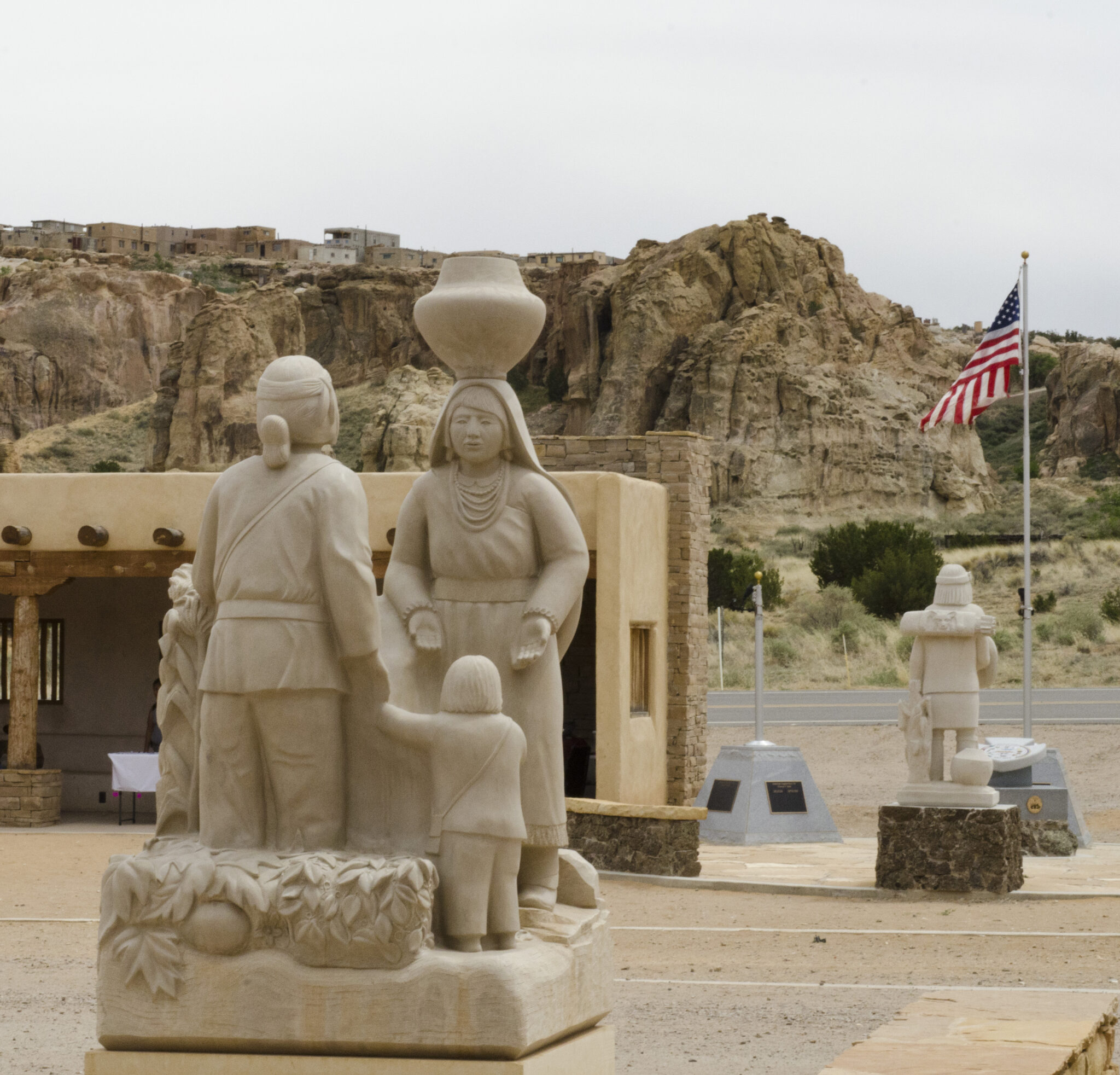
The article points out that "the corridor follows pathways that once linked tribal communities and trade networks across the homelands of more than 25 Tribal Nations" and that "more than half of the highway’s 2,448 miles pass through Indian Country. Roughly 1,372 miles of Route 66 cross tribal lands, including communities in New Mexico, Arizona and Oklahoma—home to 39 distinct Tribal Nations."
Roots, Routes, and Routs
And sometimes roads literally cut through ancient archeological sites. That was the case with an airport exit planned for Interstate 87 outside Albany, NY where I live. After arrow points dating from over 10,000 years ago were found in the exit ramp's path, the state met with three tribes whose ancestors historically lived here: the Delaware Tribe, The Saint Regis Mohawk Tribe, and the Stockbridge-Munsee Community Band of Mohicans.
In 2014, the state signed an agreement to feature murals created by the Stockbridge-Munsee on the sides of the ramp, to commemorate the territory. In 2020, when the construction was complete, the state seemed to stall and flip-flop about mural placement. Only after the tribe insisted on the original agreement did the murals finally go up.
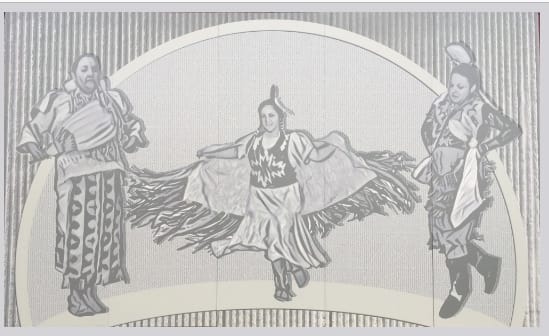
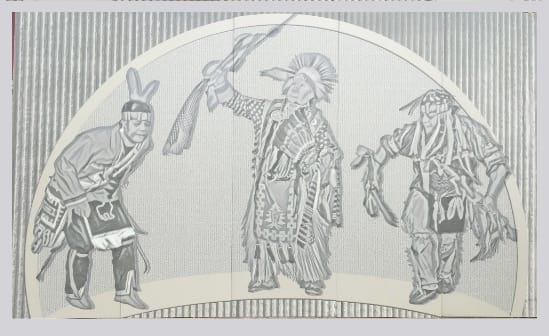
Murals based on photos of actual Stockbridge-Munsee community members, artist unknown
I would love to know how many motorists passing the flyovers even notice the murals, or know anything about the tribe they represent.
Modern Pella residents probably don't know much about those early Meskwaki residents or their descendants either, though many are very knowledgeable about their own ancestors. Valerie van Kooten's article, "Growing Up Dutch in Iowa" illustrates this. She says, "as far back as I can determine, my ancestors on all four sides of my family were Dutch, " and describes how "many people in Pella can trace their Dutch roots back generations. And it shocked me, when I started college, that my classmates couldn’t go back more than two to three generations. They’d say, 'Well, I’m a mutt,' or 'I’m about ten nationalities all put together.' That was unfathomable to me. All of my childhood friends were Dutch, with last names of Rozenboom, De Zwarte, Huisman, and Langstraat. Any one of them could recite a genealogy without thinking twice. We were Dutch through and through and proud of it." (https://www.nationaalarchief.nl/en/dutch-american-stories-growing-up-dutch-in-iowa. )
As a non-Dutch kid there, I felt a little envious of these people whose pedigrees were so clear. Every year, I happily dressed up at Tulip Time for Dutch dancing. But it felt a bit like wearing a Halloween costume.
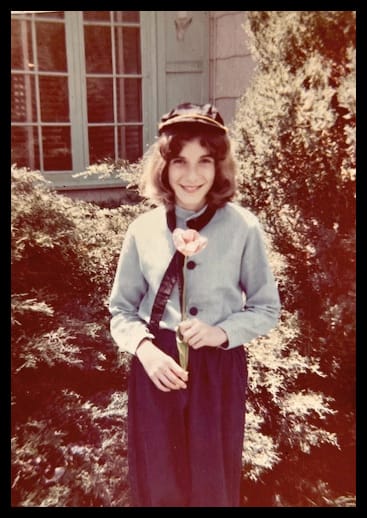
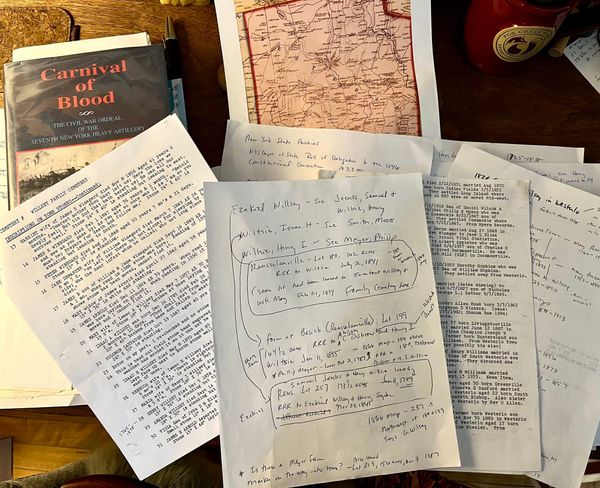
My family's genealogical knowledge beyond great-grandparents was scant. My Kentucky grandfather was the local font of information about who was related to whom in a culture where, my mother told me, "people counted out to their sixteenth cousins to avoid intermarrying." But my immediate family didn't keep many written records.
The stern relatives that stared at us from the walls of my grandparents' house were about contemporaneous with the Pella Dutch settlers, but I knew very little about their lives and wasn't even sure about their names.
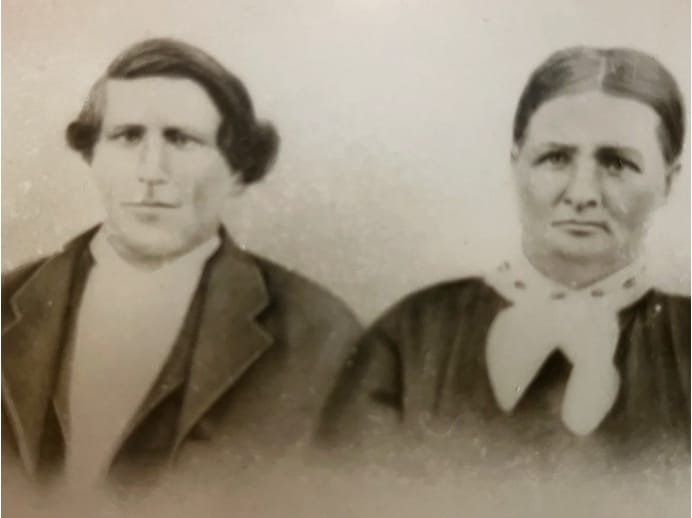
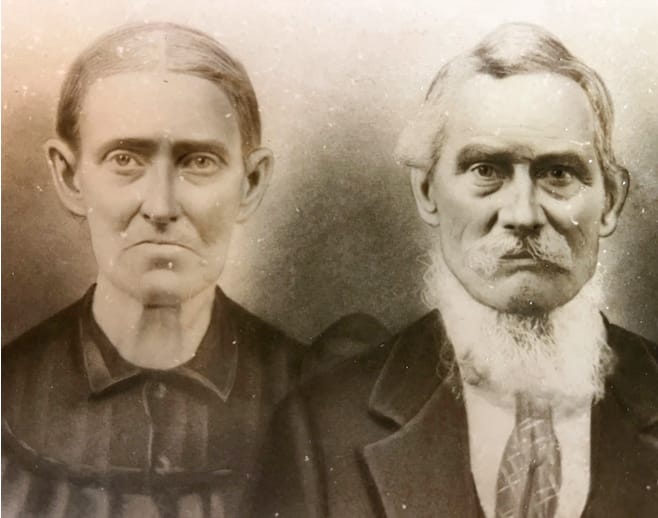
Left: George Washington Stamper and Catherine Dyer. Right: Narcissa McCalley and Enoch Raybourn.
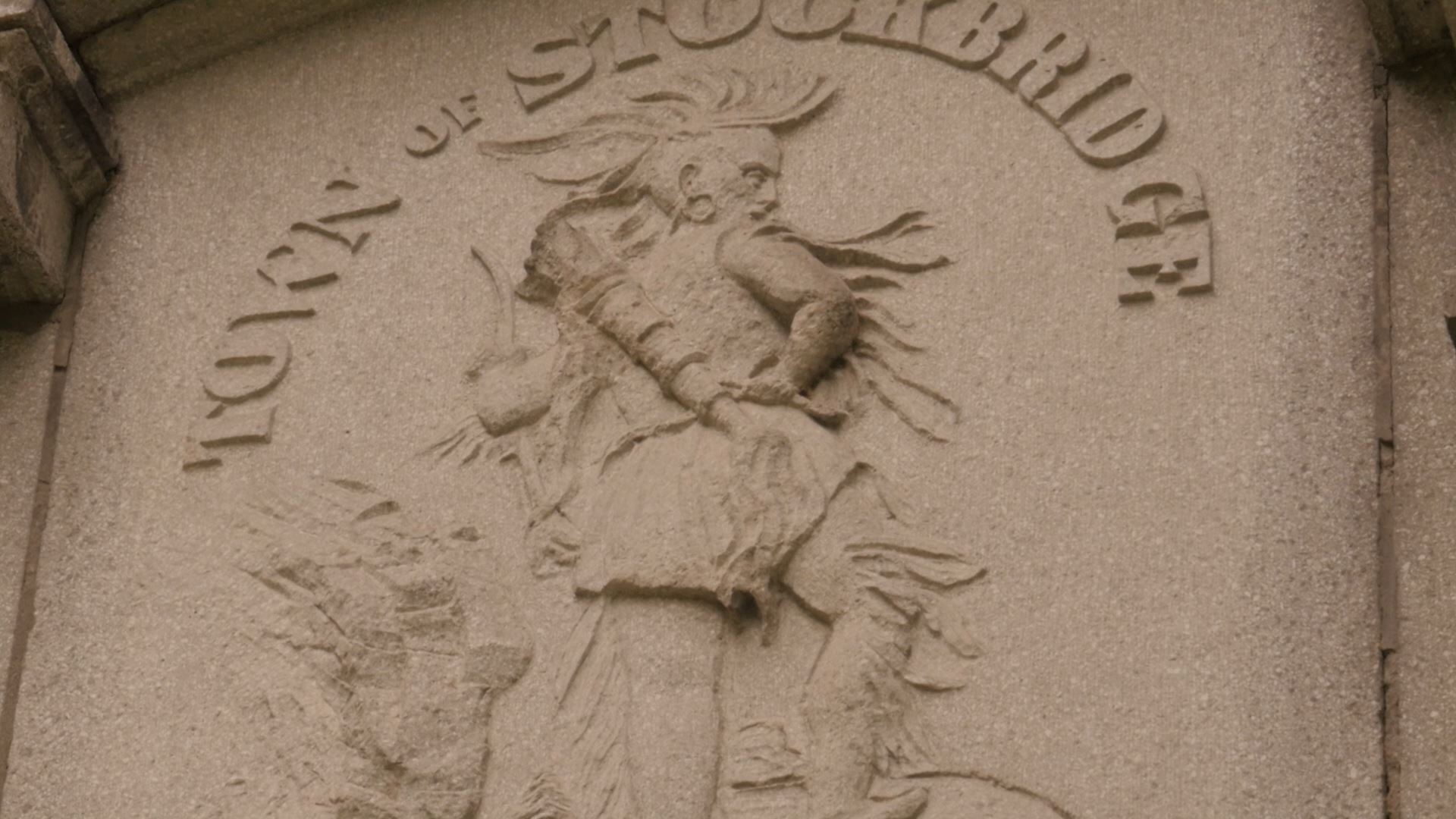
I was reminded of van Kooten's cherished heritage when I watched video of Bonney Hartley visiting the grave of an ancestor in Stockbridge, Massachusetts. She's the tribal historic preservation manager for the Stockbridge-Munsee band. On her visit to city hall, she marvels at the extensive records documenting her Mohican ancestors' presence, including named land allotments. Her sense of connection to these 18th-century relatives is powerful.
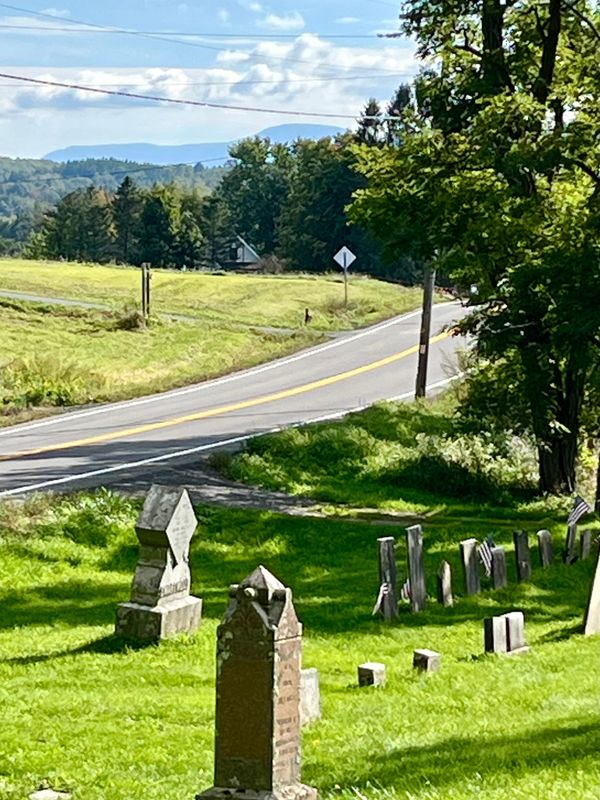
Stockbridge looks like a quintessential New England village, attracting many tourists who probably overlook the deeper story. I know I did. I live less than an hour away, and have visited many times. Only recently—researching the origin of the name "Joe Pye Weed" for a native plant article I was writing—did I learn about why it was founded. This botanical study tracks the wildflower to Shauquethqueat, a Mohican sachem who lived in Stockbridge in the 18th century, and whom settlers called Joe Pye: https://quod.lib.umich.edu/m/mbot/0497763.0056.303/11/--joe-pye-joe-pyes-law-and-joe-pye-weed-the-history?page=root;size=100;view=image
Stockbridge started out as "Indian Town" in 1735, one of the "prayer towns" established by missionaries for Christianized natives. But even after later fighting alongside the colonists in the Revolutionary war (Shauquethqueat served as a captain under George Washington), the tribe was disenfranchised. After a brief stay on the Oneida reservation in 1780, the Stockbridge-Munsee moved again, and ultimately relocated to their current reservation in Wisconsin.
The article below covers Hartley's return in 2019 with a group of other descendants, to make a video series about their tribe's historic presence there.

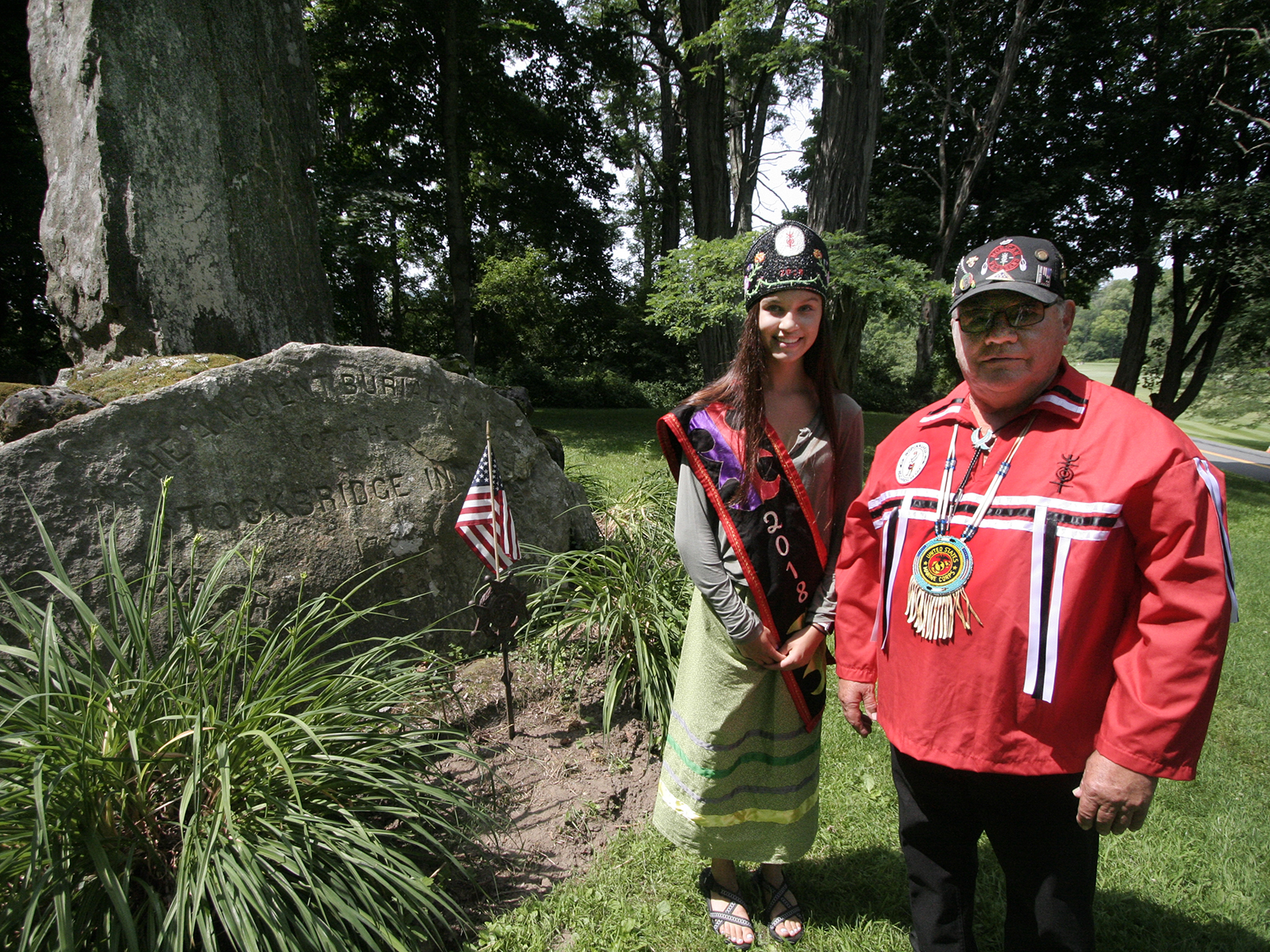
Here's their video tour of Stockbridge's main street. It's full of eye-opening insights and information:
The Century Before, and After, Stockbridge
When the Dutch arrived in the Hudson Valley in the early 1600s, they "became different imperialists than their many rivals," according to Ned Blackhawk. Like the Pella Dutch meeting the Meskwaki two hundred years later, "their aim was to trade" (The Rediscovery of America, 86).
Around Fort Orange, future site of Albany, their trade relations with both the Mohawk and the Mohicans succeeded for a time. But competition over fur and guns exacerbated tensions between the rival tribes. Ravaged by European diseases and Mohawk aggression, the Mohicans eventually were pushed into Massachusetts and Connecticut; some were joined by members of the Munsee tribe in "Indian Town."
With strong ties to their sacred places they have, like the Meswaki, been determined to return to ancestral sites. Working with various organizations, they've established access for ceremony and stewardship, as shown by the Open Space Institute's return of their land on Papscanee Island, near the Port of Albany:
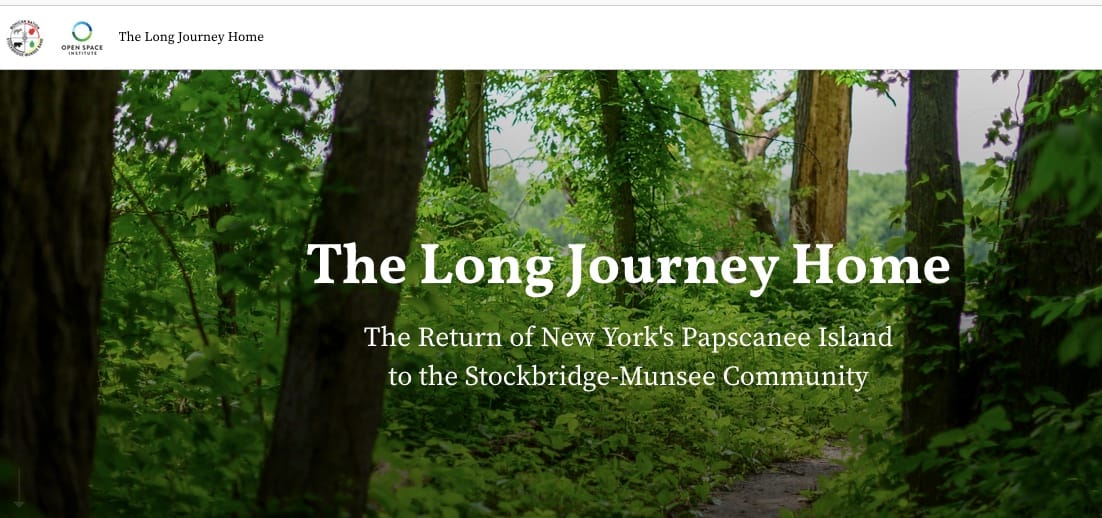
https://storymaps.arcgis.com/stories/4b5d61785b064ff49ceff158e05e89fb
In 2020, Soul Fire Farm also established a "cultural respect easement" with the nation. Based in Petersburg, the farm is described as "an Afro-Indigenous-centered community farm and training center dedicated to uprooting racism and seeding sovereignty in the food system." Their Community FAQ says the easement allows tribal members to "access the Commons area of Soul Fire Farm for sustainable gathering and foraging, harvesting activities, sustainable excavation activities, traditional spiritual ceremonies, seasonal celebrations, offerings, and cultural education activities."
Soul Fire has helped mount resistance to a proposed natural gas pipeline through Papscanee island, and are partnering in other efforts:
"The island holds the bones of their ancestors, the artifacts of their villages, and the memory of their fertile maize mounds, and we are relieved that this sacred space will be preserved. . . . We are now collaborating with the Mohican community to resist rezoning and developing some of their sacred lands in Troy, NY.
We also have a native seed exchange with some of the farmers and herbalists in the community, rematriating varieties of Mohican-Munsee beans and maize to their homelands.
In 2023, we were honored to support efforts to return 250 acres of land held by Nippozan Myohoji-Grafton Peace Pagoda to the Stockbridge-Munsee Mohican Nation. Soul Fire Farm served as project manager throughout this entire sacred process offering legal, fundraising, negotiation, strategy, and recordkeeping support. We remain committed to ongoing solidarity with and accountability to the Mohican community."
This country is criss-crossed with the trails and traces of our ancestors, both indigenous and immigrant. The landscape is a story map awaiting our attention. Though this political moment would have us believe otherwise, we do have a chance to acknowledge our violent histories, make reparations where possible, reckon with the lingering presence of empire in our relationships, and work toward building a more collaborative future together.