Stones, Turned and Unturned

This week's research has taken me down many different paths, and I have yet to put together a clear map of how they interconnect. For now, I'm simply going to share some of the materials I've been engaged with, along with select photos from my recent trip to Ireland.
I've been turning over lots of stones as I attempt to understand more about the conditions that drove my great-great-grandfather's sisters to send him out of Ireland as a ship's cabin boy in 1845. I keep finding surprises that raise more questions.
Rock was recurrent feature of our visit to Ireland. Natural outcroppings and human-placed stones constantly assert the elemental presence of the land and the long tenure of the people inhabiting it.
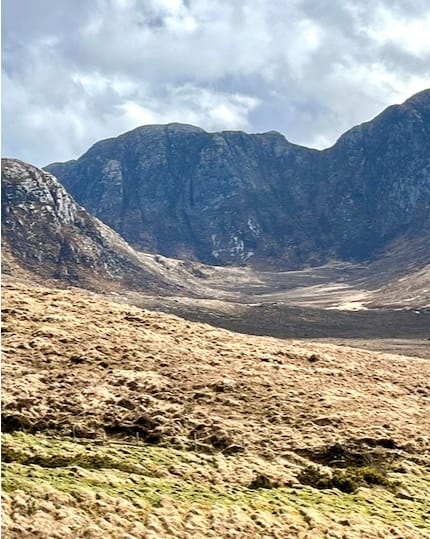
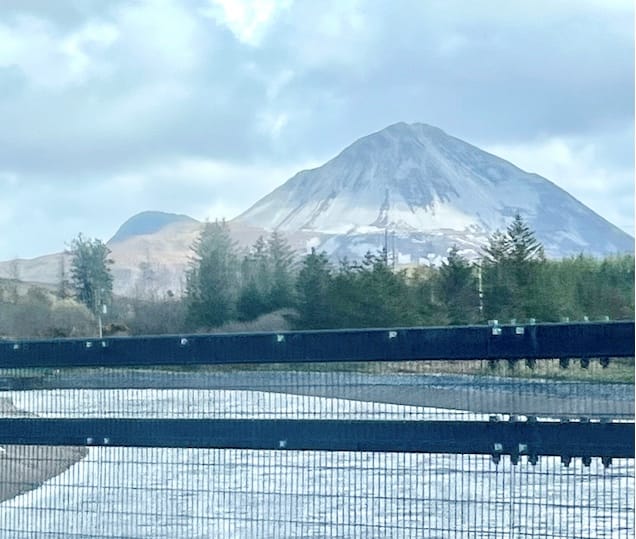
Left: Glenveagh National Park's rocky crags. Right: Errigal mountain, made entirely of quartzite.
At times it seemed that, completely by chance, we'd embarked on a burial ground tour of Ireland. And constant time travel was involved, as we found graveyards holding bones and stones from ancient to modern times. Some of the significance of these sites is only surfacing as I learn more now, back at home.
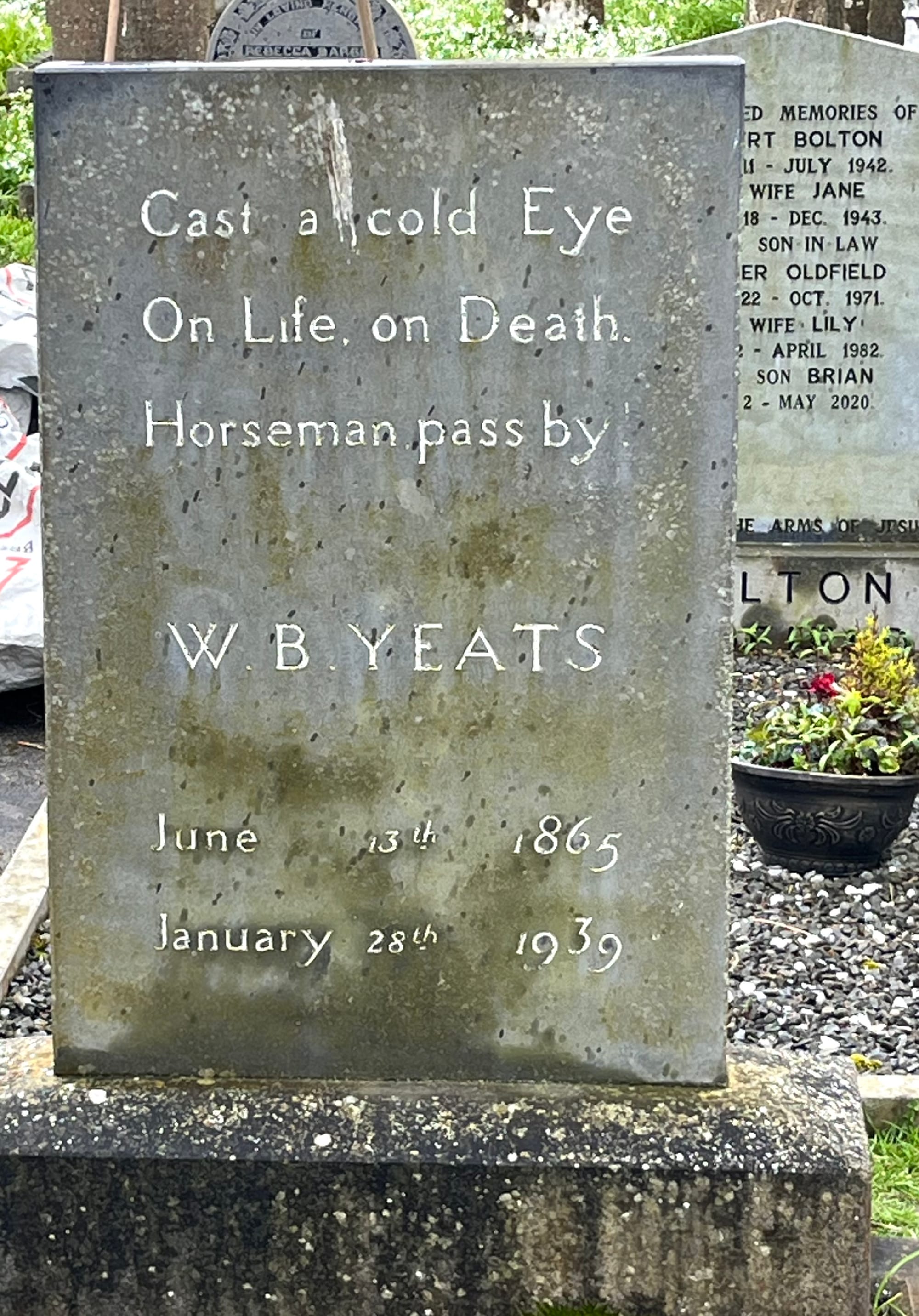
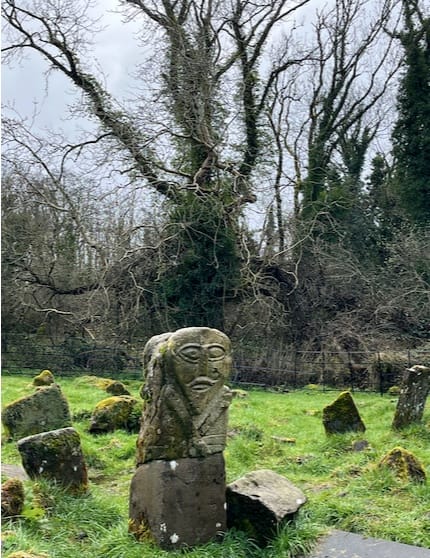
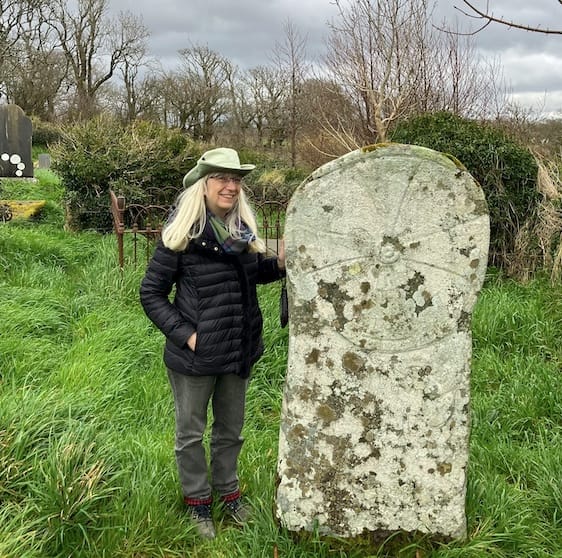
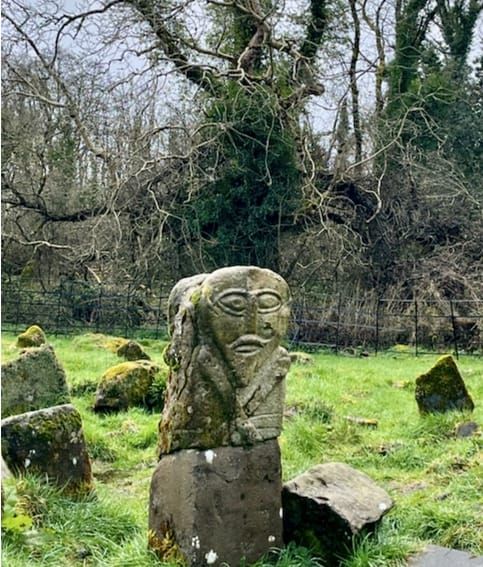
Left: We were on our way somewhere else when a sign for Yeats' grave drew us into a churchyard. Center: early medieval stone in Caldragh graveyard, Boa Island. This dual-facing figure may be associated with the war-goddess, Badhbh. Right: Stone dating from about 650, Dunkineely.
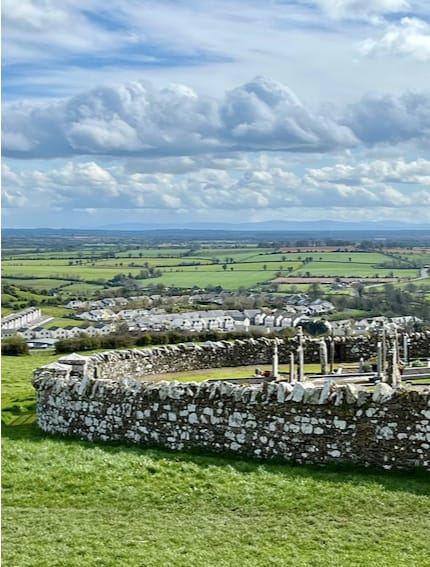
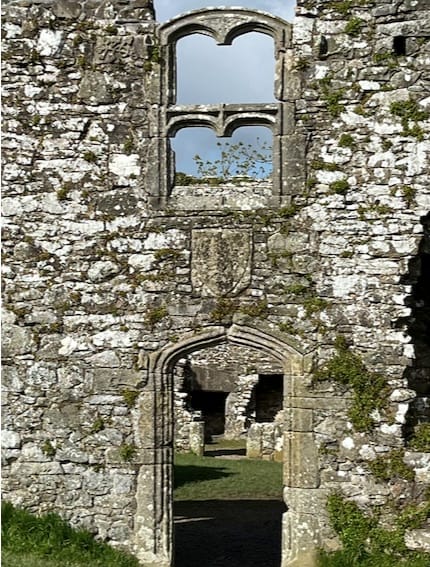
The ruins of Slane castle and the views from its large cemetery are breathtaking:
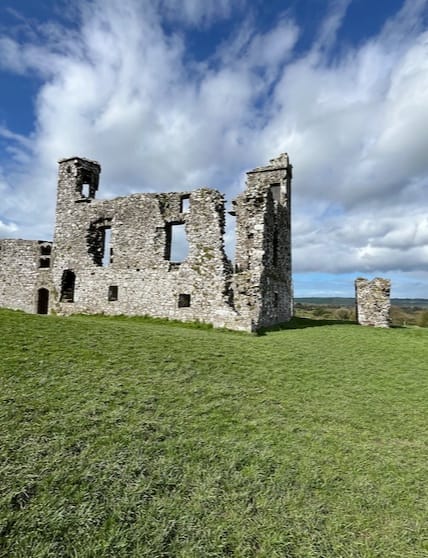
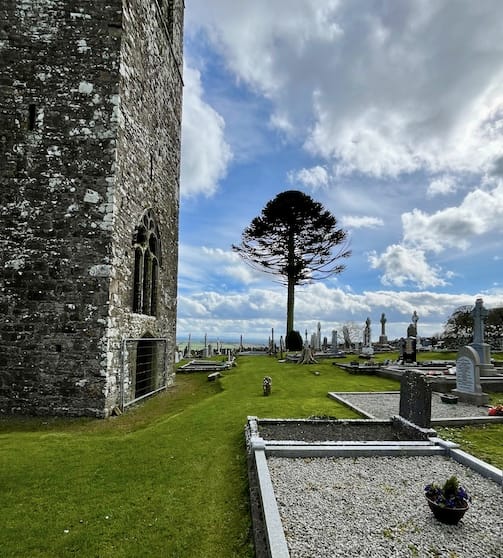
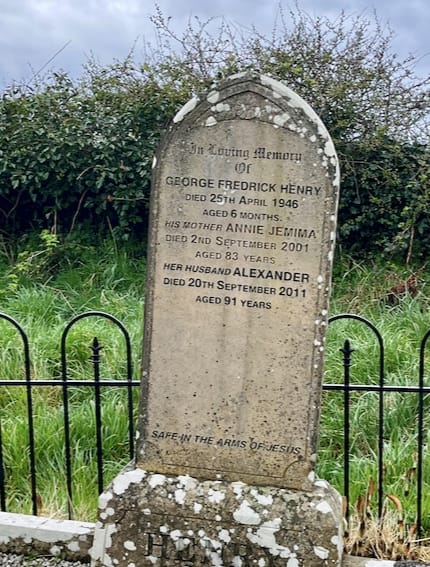
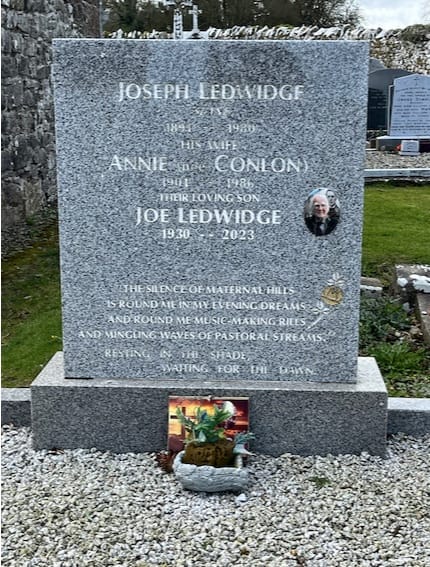
Even extremely old graveyards often hold recent graves, like this 2011 burial found in the same churchyard with the stone from 650, and this 2023 burial at Slane castle.
Some sites, however, such as this famine graveyard in Donegal, have no stones at all.
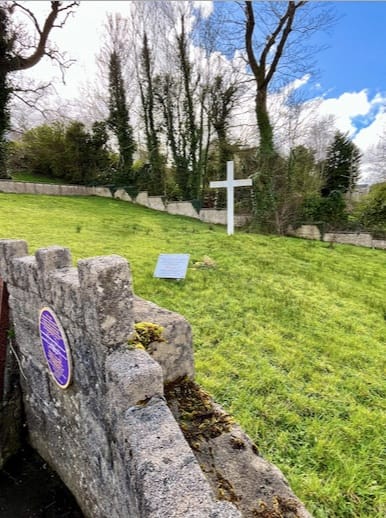
Some are burial places of great antiquity, such as Carrowmore and Newgrange.
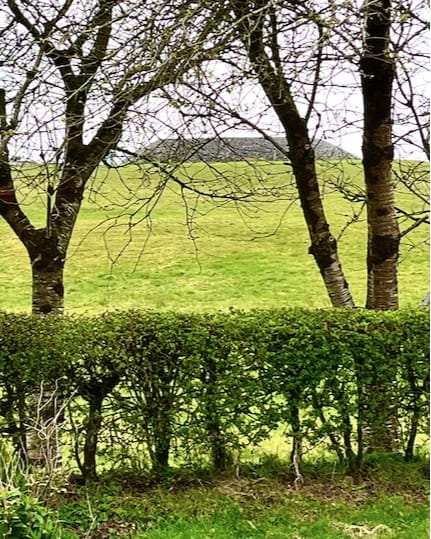
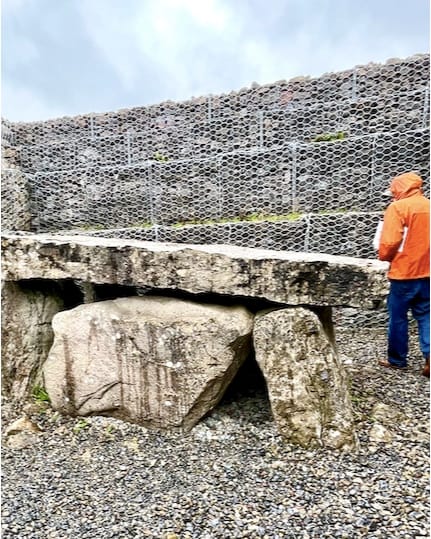
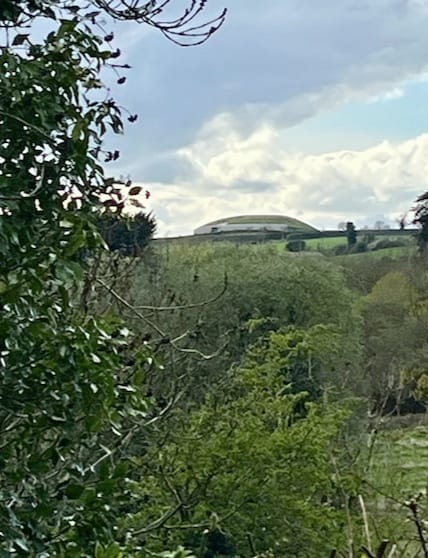
Left: Burial mound at Carrowmore. Center: Cairn within the Carrowmore mound. Right: Newgrange
In Dublin, we accidentally got lost in a virtual city of the dead. We'd planned to walk from our hotel to the National Botanic Gardens. We turned too soon, at the entrance to the Glasnevin National cemetery, thinking we could walk on through to the gardens. Instead, we found ourselves surrounded by a huge complex of 1.5 million close-packed graves, with no clear path into the garden. According to my phone, that was a 15,569 step outing.
I later learned that a botanist in that garden discovered the first indications of the potato blight that was to decimate Irish farmer's crops. According to the Brendan Graham video I included last week, the curator, David Moore, noticed the late blight on the garden's lumper potatoes in August of 1845. Moore immediately set to work on a remedy. His work was not funded, however. Instead, the "money was stopped," says Graham, and "redirected toward building the curvilinear glass houses." (https://youtu.be/_zuPkjV1qwc?si=oS4h5qztN5JImGYE).
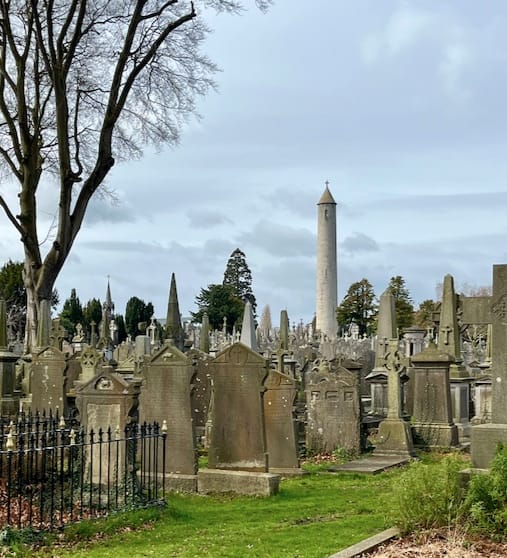
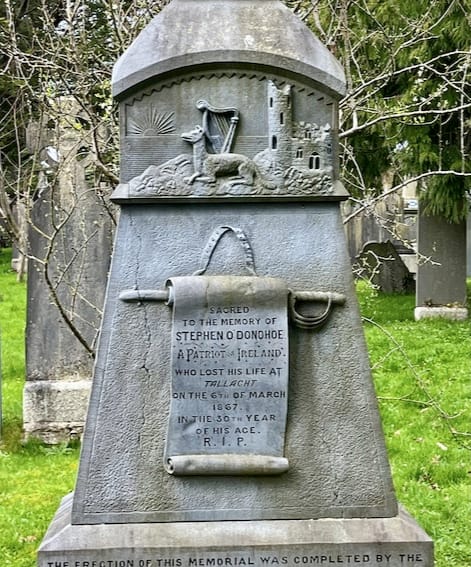
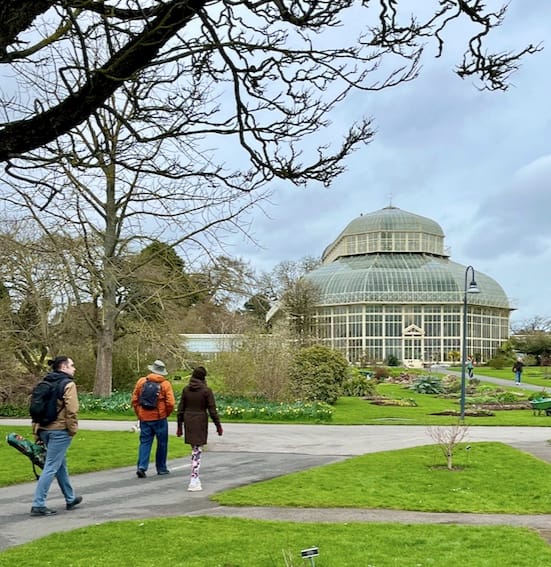
Glasnevin cemetery, and our eventual arrival at the National Botanic Gardens.
My discovery last week of the massive Montreal famine graveyard, as well as those associated with the immigrants quarantined on Staten Island, has led me to more research about burials. Staten Island seems to be its own kind of case study of how settlers and their descendants have handled the boneyards of those not considered one of them. Not only were the graves of famished and ill Irish immigrants paved over, but also those of an African American community. Burial grounds belonging to native Lenape ancestors were looted and expropriated.
But not all here is the story of sorrow and mistreatment. I've also been exploring episodes like #27 of 40 of this podcast from Irish historian Fin Dwyer, that describes those who tried to help:
 Fin Dwyer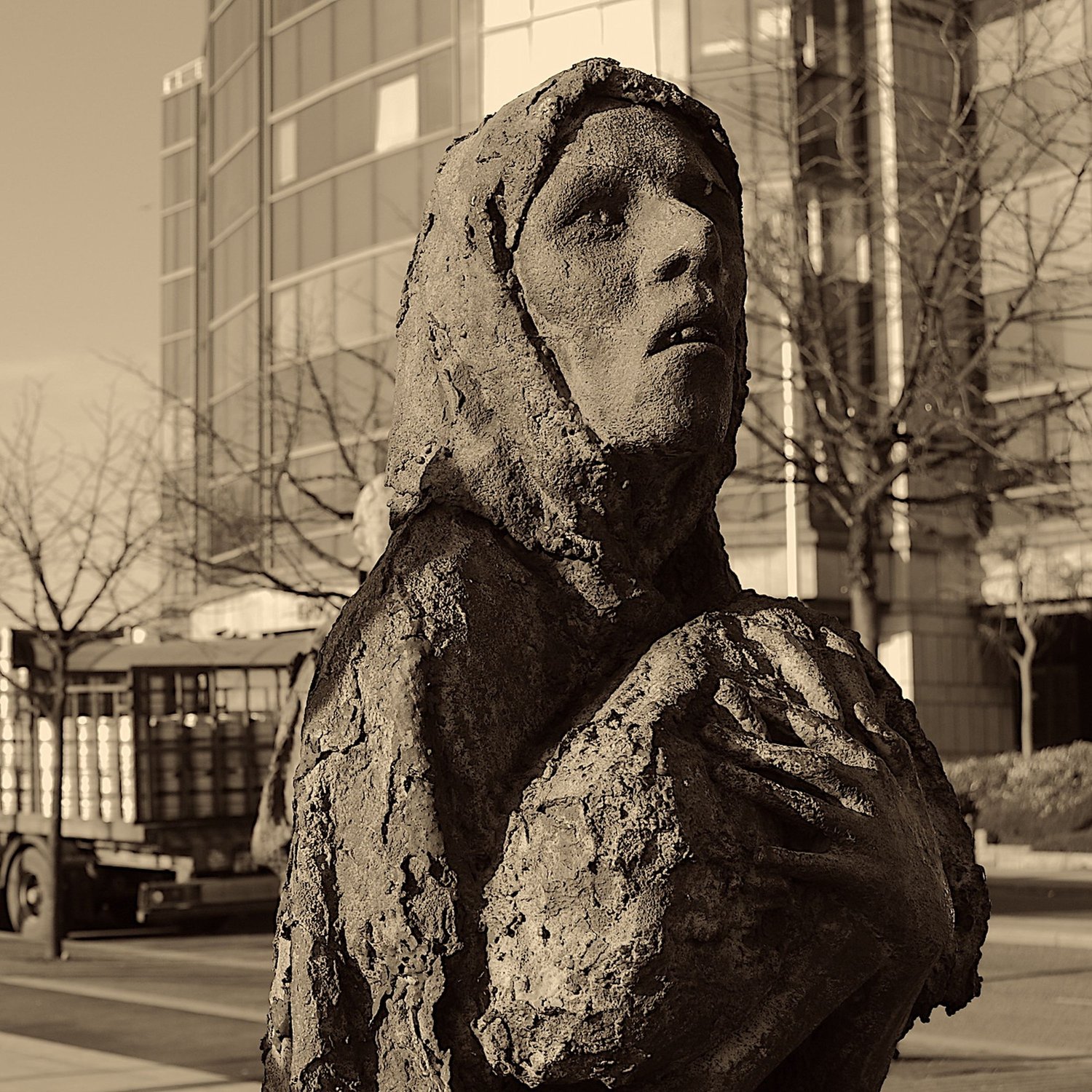
And the various people in the U.S. who sent aid, including a Virginia church congregation made up of both free and enslaved Black people, and the anti-rent tenant farmers of Schoharie village, not far from where I live:
And stories like this one about one woman's work:
Maureen Murphy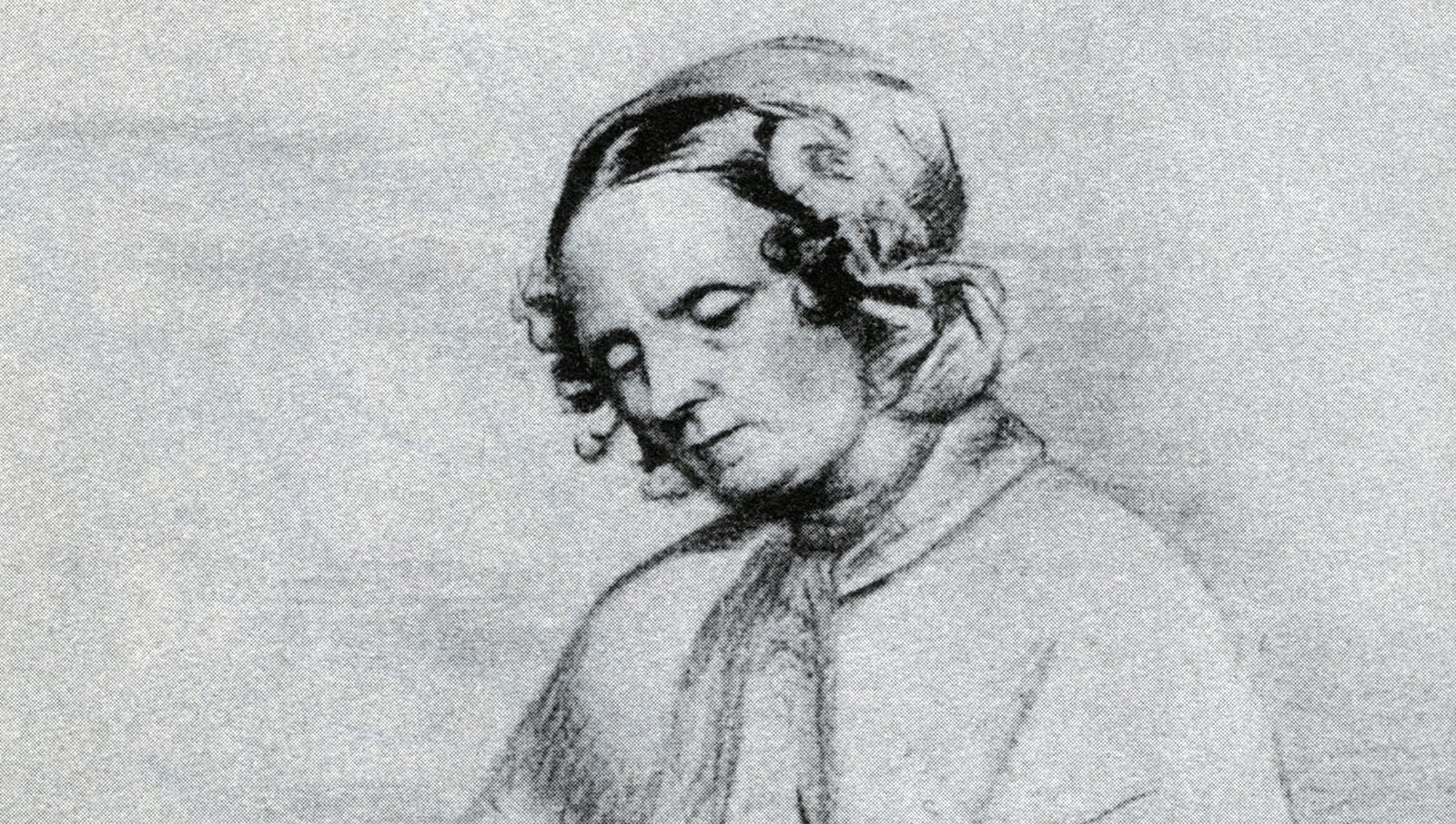
I hope to write more about these throughlines in upcoming weeks. If you've made it this far, thank you so much for coming along. I look forward to hearing any stories or connections you might have from your own ancestry.