Positive Offerings: When Donations Mean Life

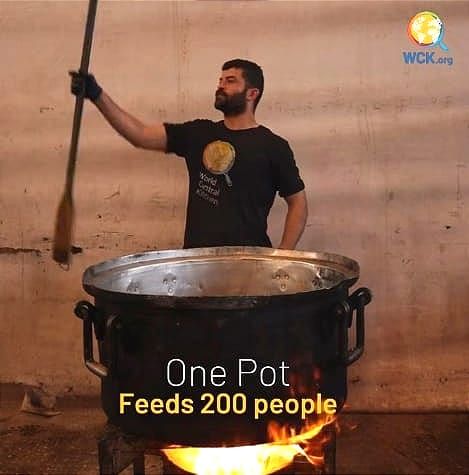
So many images of suffering pass before us, it's difficult to feel that our individual acts make any difference. This feeling is magnified when powerful governments fail to act humanely or adequately.
But a recurring theme of my posts is that individual actions have cumulative effects and matter deeply. That's why, this week, I'm highlighting the historical significance of donations.
Last week, I wrote about local tenant farmers who, seven years into their struggle against exploitive landholders, donated to help the starving in Ireland. That sum could have paid the yearly rent for ten farms.
These Anti-Renters "believed that 'monopoly of the soil by a few, and exclusion from it of the many' was a great evil of the time"(Shrout). They saw Irish famine as a cautionary tale. While their motives were distinct, they joined a multifaceted groundswell of humanitarian relief.
In Aiding Ireland, Anelise Hanson Shrout argues that the global response to Ireland's Great Hunger constituted the beginning of international philanthropy. A notable aspect was how much depended on the gifts of everyday people, rather than governments. In fact, the U.S. government refused to send monetary aid.
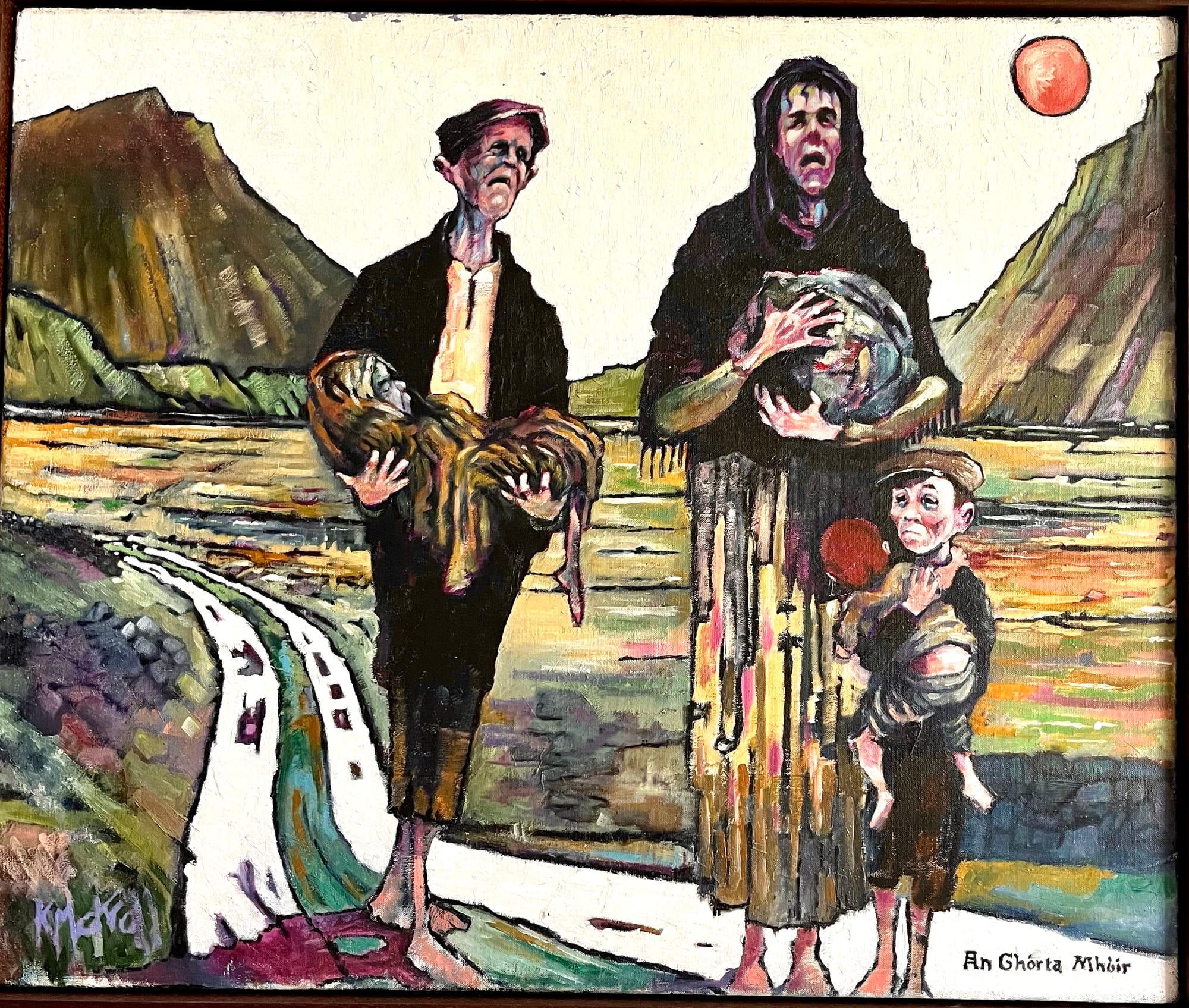
It must be said that given the scale of the disaster, even the considerable amounts raised were not enough. But when these efforts meant another meal for a starving person; a set of clothes for someone reduced to nakedness; or even seeds and tools for farmers and fisherman, they were important and meaningful to people on both sides of the offering.
"Never before had so many people contributed so much money to people who they would never meet, and whose gratitude they would never receive" Shrout

For a closer look at contributors, Ireland Calling offers this list, with modern conversions in euros:
Donor | Donation | Value today |
| Queen Victoria | £2,500 | €207,000 |
| Queen Victoria’s servants | £247 | €20,500 |
| RC Diocese of Strasbourg | 23,365 marks . . | €82,700 |
| Sultan of Turkey | £1,000 | €82,700 |
| Royal Irish Art Union | £200 | €16,500 |
| Irish Coast Guard | £429 | €35,500 |
| Dowlas Iron Works employees | £171 | €14,200 |
| Punch magazine journalists | £50 | €4,100 |
| Regent’s Park Barracks, London | £3,000 | €248,000 |
| Anglian Church Amsterdam | £561 | €46,400 |
| Baptist Chapel, Cambridge | £500 | €41,300 |
| Vicar Apostolic, Mauritius | £2,211 | €182,800 |
| Indian Relief Fund | £14,000 | €1,158,000 |
| New Brunswick Subscriptions | £1,640 | €135,600 |
| British Residents in Mexico | £652 | €53,900 |
| St Petersburg Subscriptions | £2,644 | €218,600 |
| Malta and Gozo | £720 | €59,500 |
| Convicts on Prison Ship, Warrior Woolwich . | 17 shillings | €70 |
| Choctaw Nation | $170 | €68,500 |
| Barbados | £2,000 | €165,400 |
For more about the Choctaw nation, see Unexpected Gifts (4/10/26), and Standing Together Against Adversity (4/17/26).
This list piques my curiosity. Besides religious sources, everyone from Queen Victoria's servants, soldiers, ironworkers, Punch magazine journalists, and a Sultan gave money.
Convicts locked up in a prison ship gave, too. Men in a dismal, floating jail gave 17 shillings, long before Charles Dickens penned Great Expectations, wherein Pip is secretly subsidized by Magwich, an escapee from these "hulks."
 HistPhil
We don't know what kind of pressures donors were under to give, though in the Sultan's case we know he wanted to give more. He was advised not to embarrass the British queen by exceeding her gift.
Then there were the donations from Southern enslavers, as a show of their "generosity" and superiority. As Shrout points out, we also know—and this is relevant to our context today as well—the lion's share came in small amounts from folks with the least to spare.
This was especially true for recently-arrived Irish. Many were already sending money to relatives. Such funds sometimes miscarried, as Fin Dwyer points out in his Irish podcast, because postage was paid by the recipient. Many could not afford it.
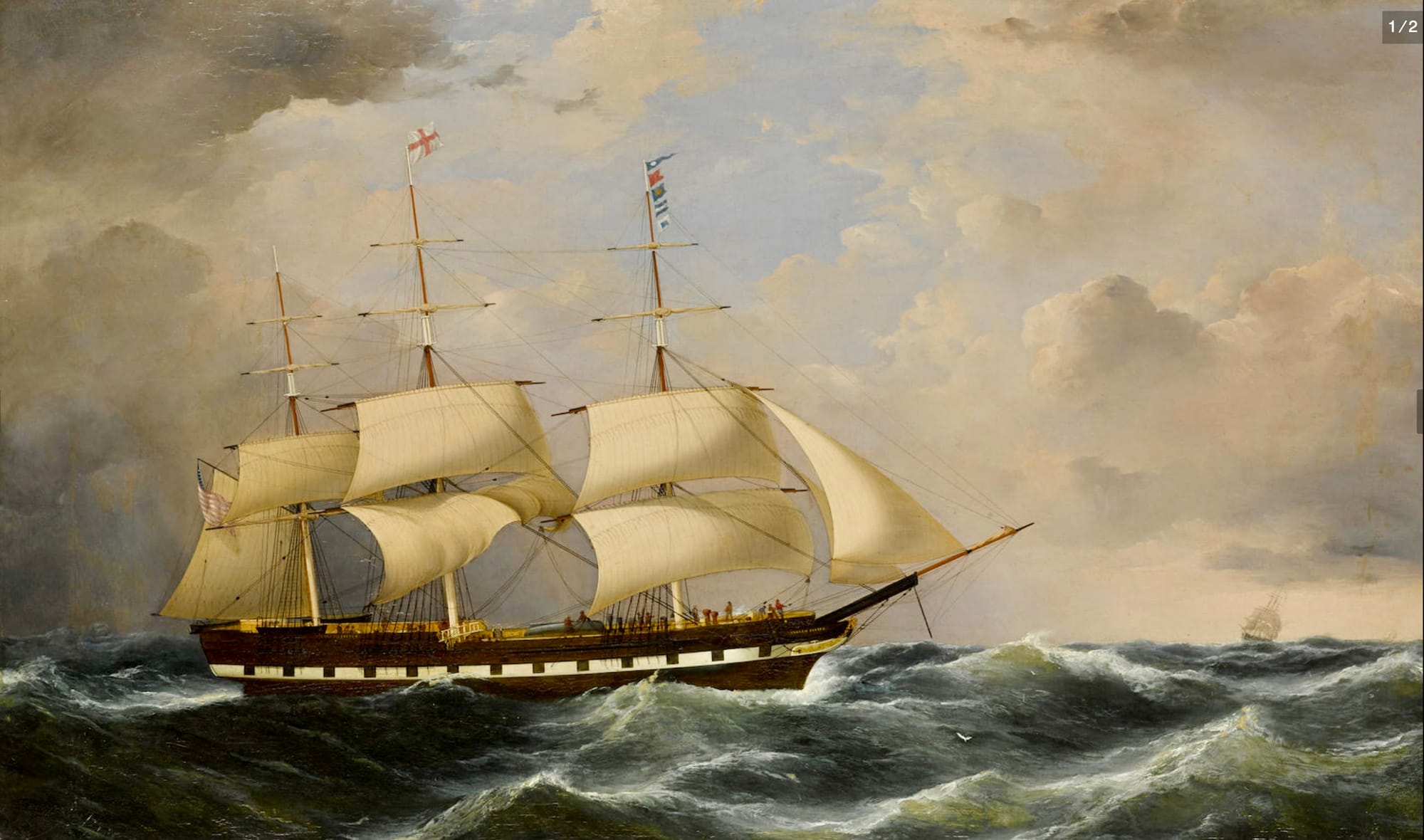
That's why U.S. donations sent on ships like the Andrew Foster—which I speculated last week might have brought my great-great-grandfather here—were so important.
Let's look a bit more at relief efforts originating in England and Ireland, before returning to New York.
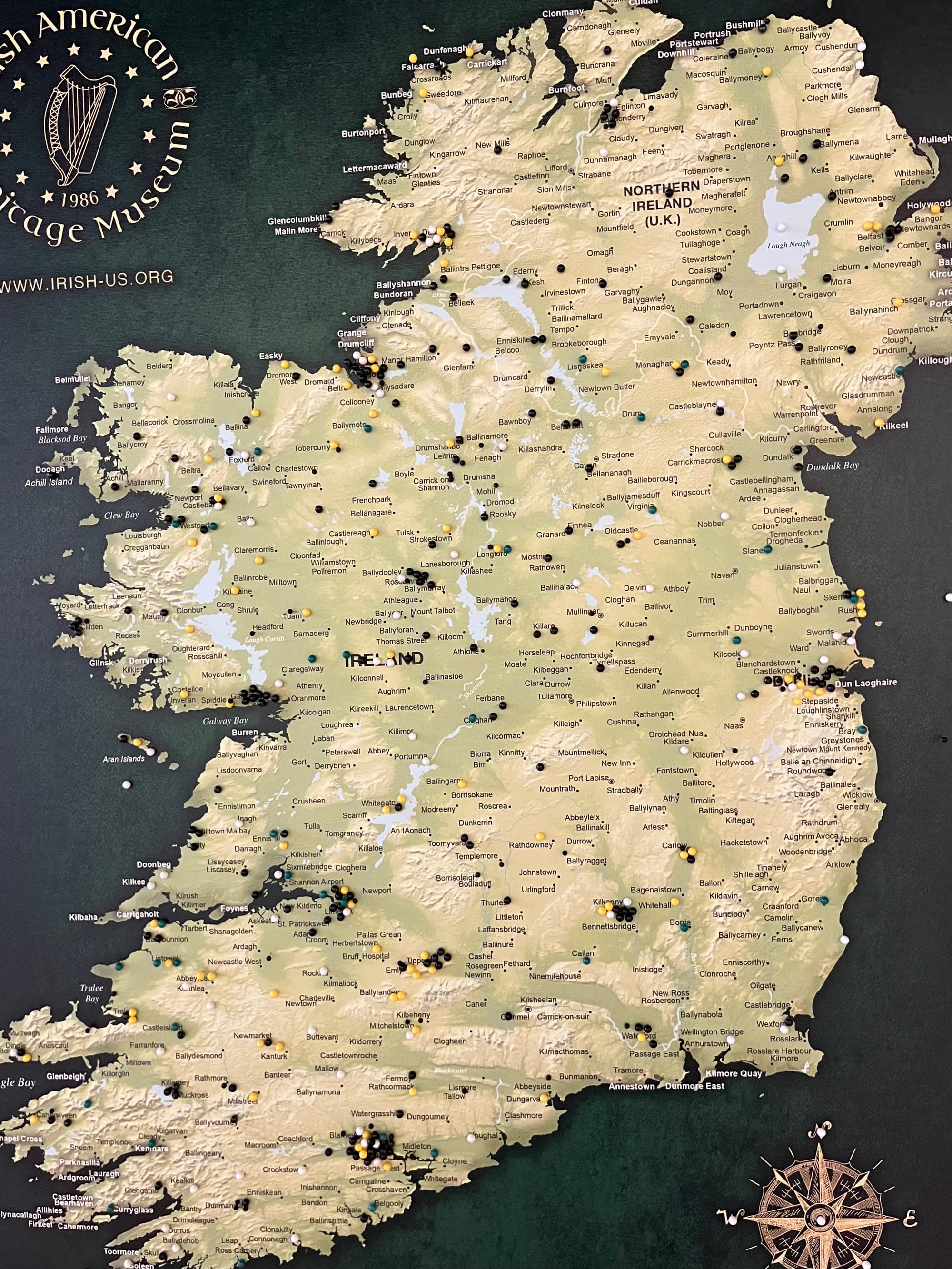
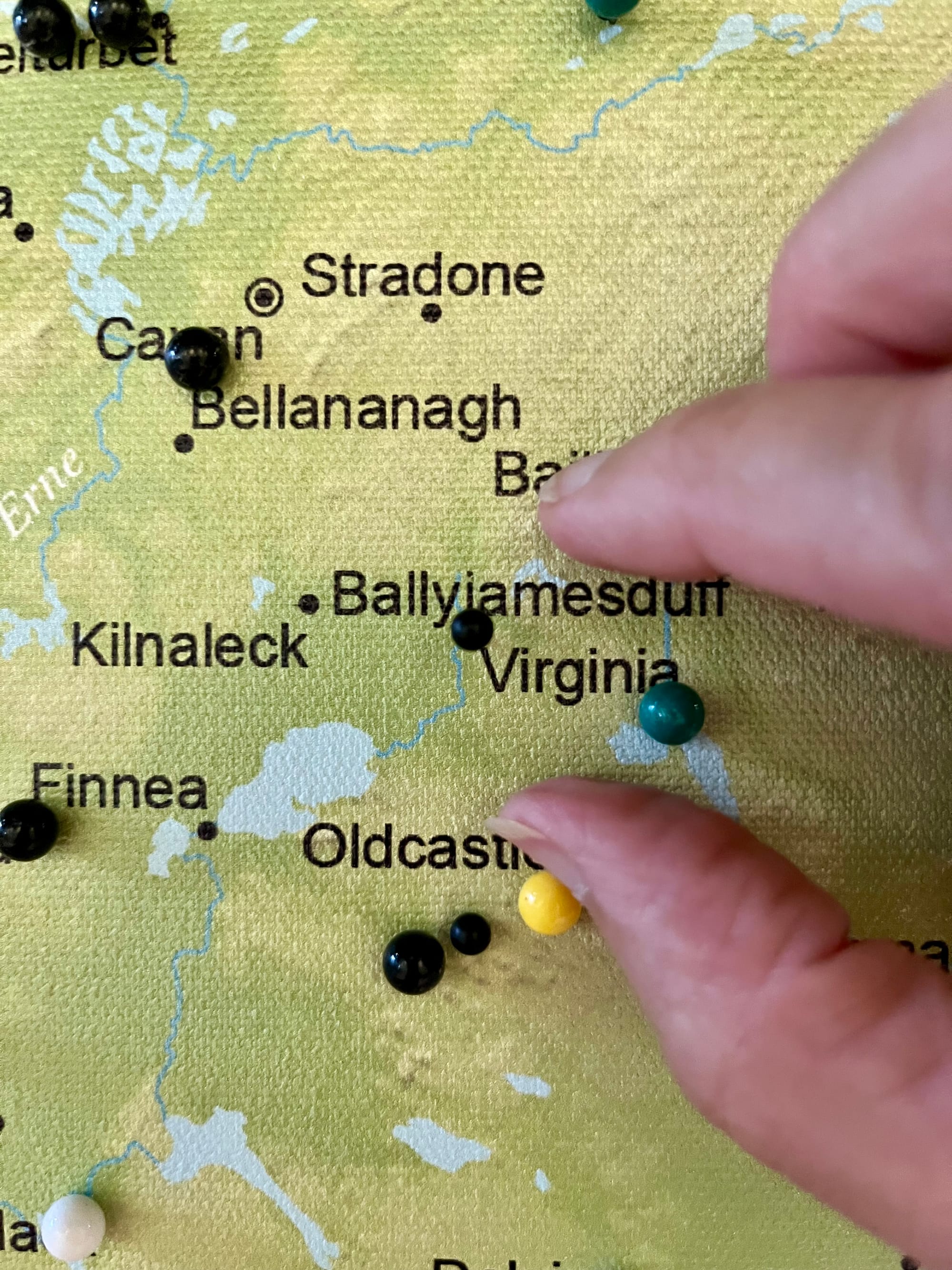
Albany's Irish American Heritage Museum encourages visitors to put a pin in the map to indicate where they or an ancestor might have come from.
In 1846, it became apparent that the blight was far from over. British Quakers realized the inadequacy of governmental efforts. They organized, forming the Central Relief Committee.
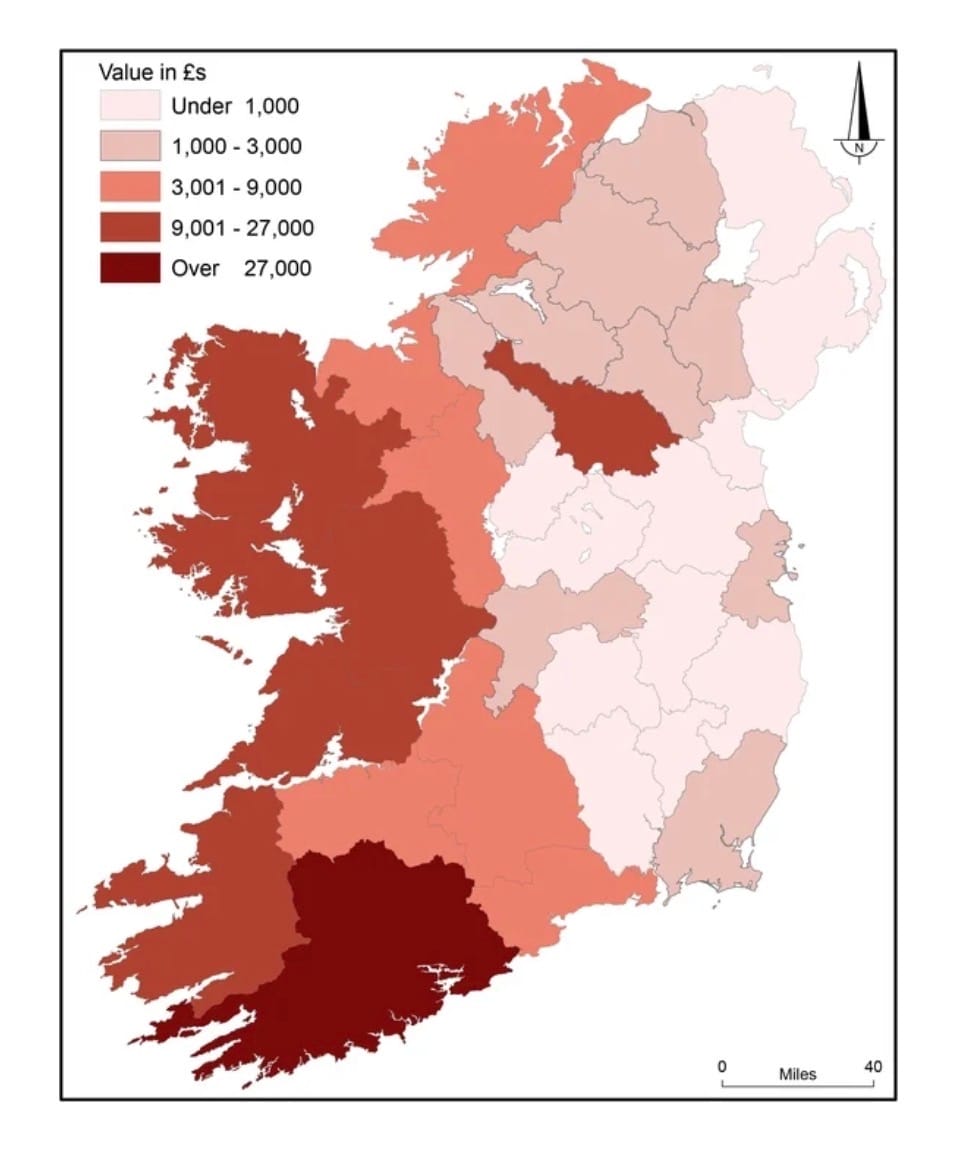
The colored map above shows "the total value of specific Quaker relief efforts . . . per county from 11 December 1846 to 1 May 1848." I'm not familiar enough with Ireland to recognize counties, but the dark red drumstick northwest of Dublin looked close to my ancestor's birthplace in Cavan. I'd been wondering how much relief they'd needed. The caption confirmed my hunch and answered my question: "Interestingly, County Cavan alone in Ulster is singled out for major relief efforts" (Kinealy).
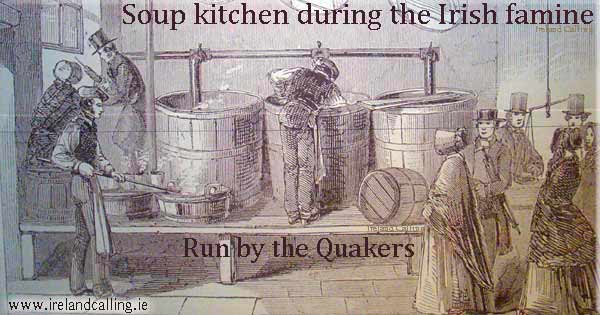
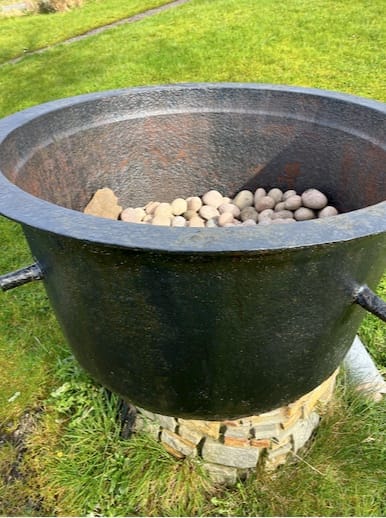
Quaker foundries forged many of the huge cauldrons like this one I saw next to Donegal's famine graveyard. They set up soup kitchens across the countryside.
As Christine Kinealy notes, Quakers were also sensitive to the need for clothing:
"Unlike the government, the Quakers recognized that lack of clothing—especially during the unusually severe winter of 1846 and 1847—was exacerbating the agony of the poor, especially those employed on the public works. Clothing committees were established in Dublin and London, with women playing a key role."
The Friends were concerned with the larger picture, too. They "addressed the issue of systemic poverty in Ireland, also providing the poor with seeds, fishing and farming equipment, in order to help them rebuild their lives and end the cycle of intermittent subsistence crises."
 Christine Kinealy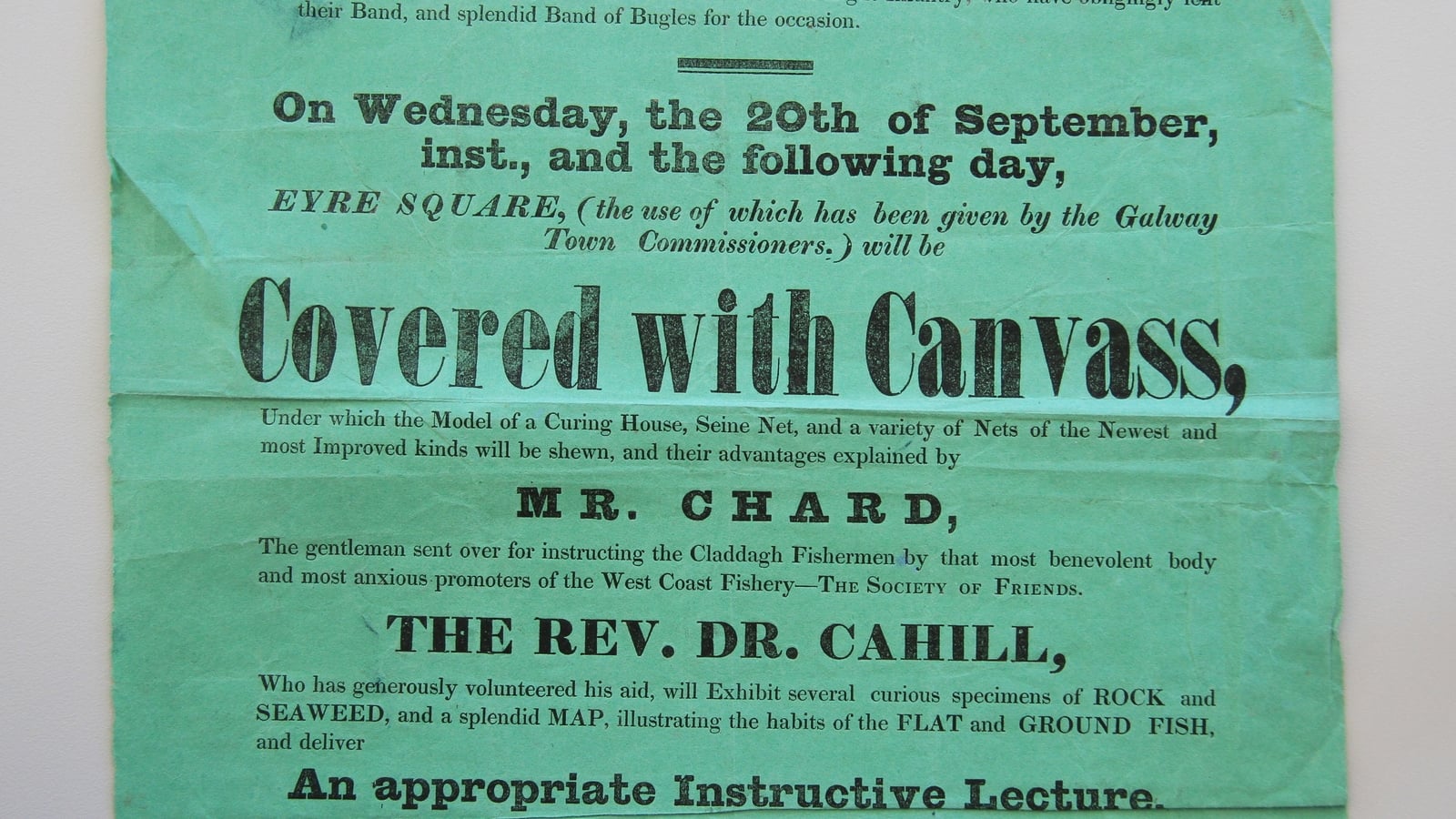
In the words of the Cork committee, Quakers were "animated by a measure of love which transcends all other motives of human action." Unlike aid offered by certain religious groups seeking converts in exchange for food (known as "Souperism"), and government measures requiring labor (such as building stone walls or roads to nowhere), Quaker relief came without strings attached.
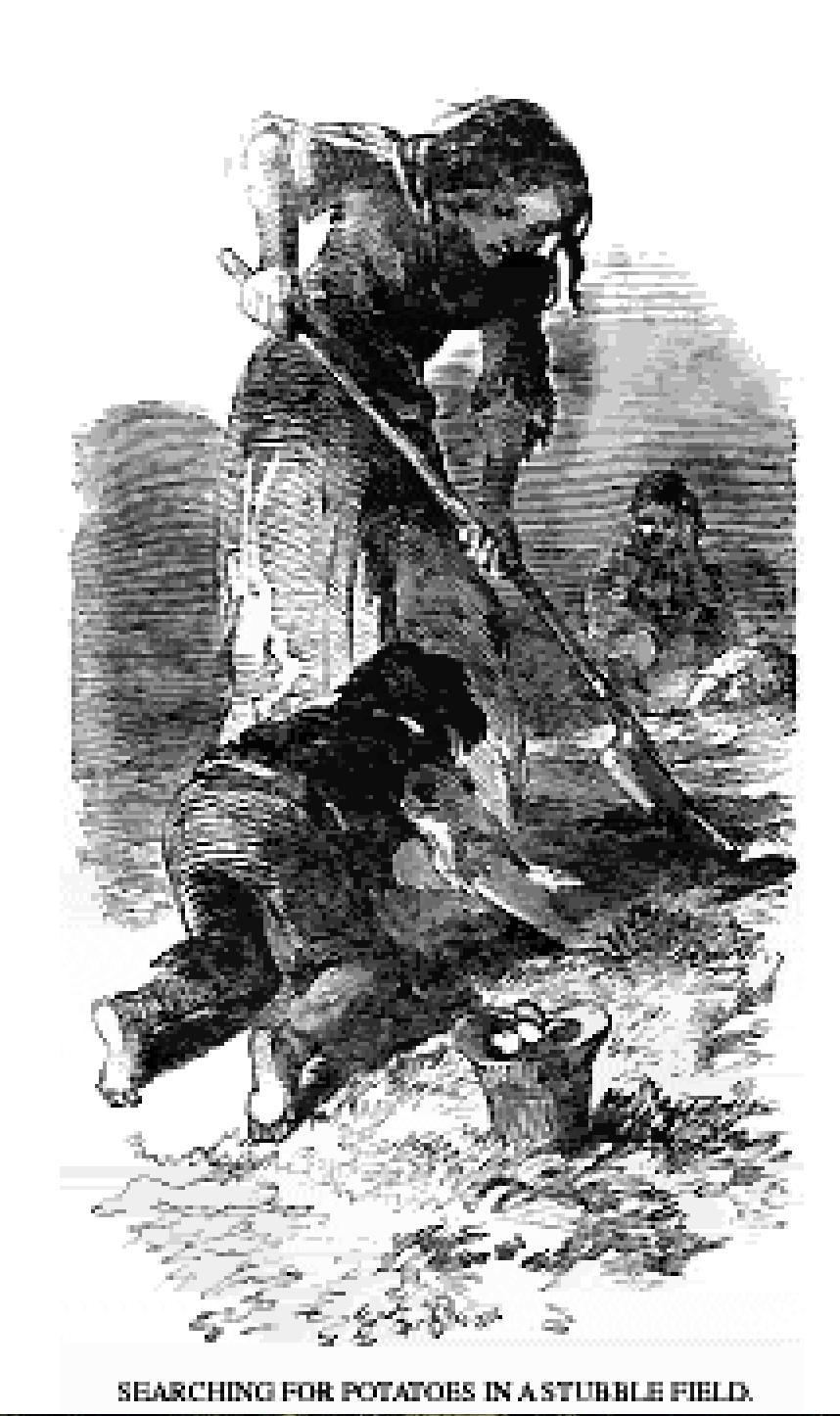
"New York emerged as the most important state for Irish relief because half of the supplies reaching Ireland went through the port of New York City." Harvey Strum, "Famine Relief From an Ancient Dutch City"
Concerted fundraising efforts arose in New York when news reports, letters from witnesses, and accounts of ship captains entering U.S. ports described the severity of suffering in 1846, and into 1847. Then, Strum states,
"Americans established nonpartisan, nondenominational relief committees at the village, town, city, county, and state levels to channel relief aid to Ireland and Scotland . . . the pattern remained consistent: citizens established voluntary committees organized on a temporary basis to solicit and forward contributions of money, food, and clothing."
According to Strum, most efforts were initially in port cities, though "newspaper editors in New York and other states promoted famine relief."
By February of 1847, public concern was widely aroused, even while "efforts to involve the federal government in famine relief failed," due to President Polk's belief that foreign aid was unconstitutional.
Donations came from small town congregations, schools, brewery workers and West Point Cadets; legislators, manufacturers, and journalists. Up the river in Troy, "all four newspapers and the city’s influential merchants, businessmen, lawyers, and politicians rallied to the cause of Irish and Scottish relief." Money came from door-to-door solicitations, as well as fund-raising lectures and entertainments. Typical amounts in Albany ranged from a half a dollar to five.
The specificity of the recorded donations fires the imagination. There was "Isabella McGuire, who donated a ham in Potsdam," and "the unknown female patient at the Lunatic Asylum in Utica who wrote a poetic tribute to the Irish." In the town of Saugerties, people "gathered 352 garments and $405."
East of Albany, the "New Lebanon Shakers supplied $700 in rye, beans, and clothes," while Watervliet Shakers nearer by "sent $300 in rye, beans, flour, peas, buckwheat, mittens, and socks to the State Committee."
Spurred by public pressure, the government finally offered two warships for transporting food aid. The Albany Relief Committee declined, preferring private merchant ships. This was partly in criticism of the government, and partly due to "the desire of local contributors to know that an 'Albany Ship' went to Ireland, rather than having the donations lumped together aboard the Macedonian" (Strum).
"In 1847, the United States emerged as a leader in international philanthropy, as Americans raised over $1.5 million for famine relief. What is remarkable about this effort is that it took place between two waves of anti-Catholic, anti-Irish nativism." Strum
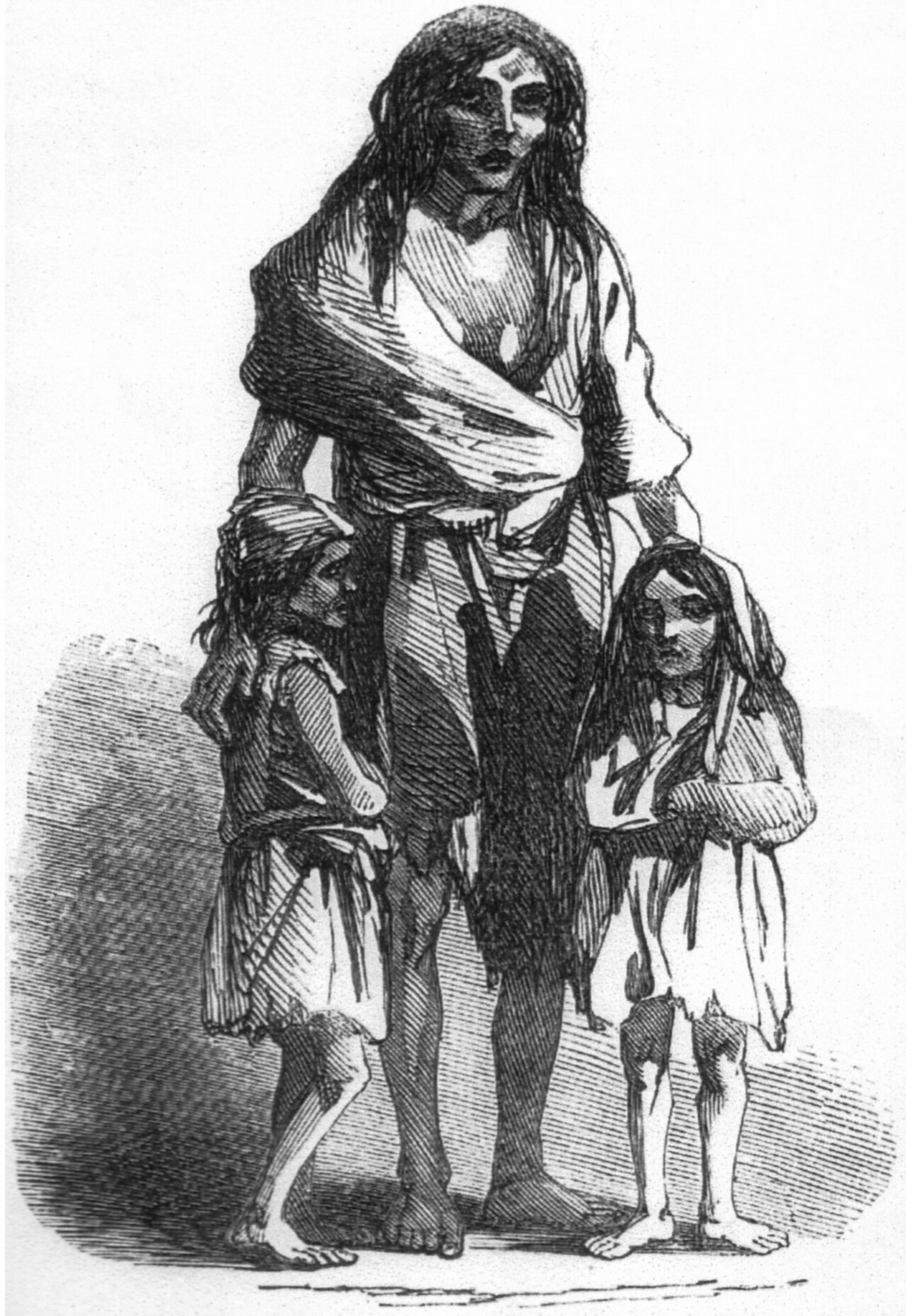
Consider how many more could have been saved with federal involvement.
Where are we now, on this 250th national anniversary? What we can do together to help others who hunger today?