Giving Thanks, and Giving, in Times of Civil Strife

"In November and December [1862], seventeen state governors declared state thanksgiving holidays." Heather Cox Richardson, Letters From an American
In her letter of November 25th, Richardson described how these declarations took on new meaning during the Civil War. Edwin Morgan, then governor of New York and a Union general himself, was one of the seventeen.
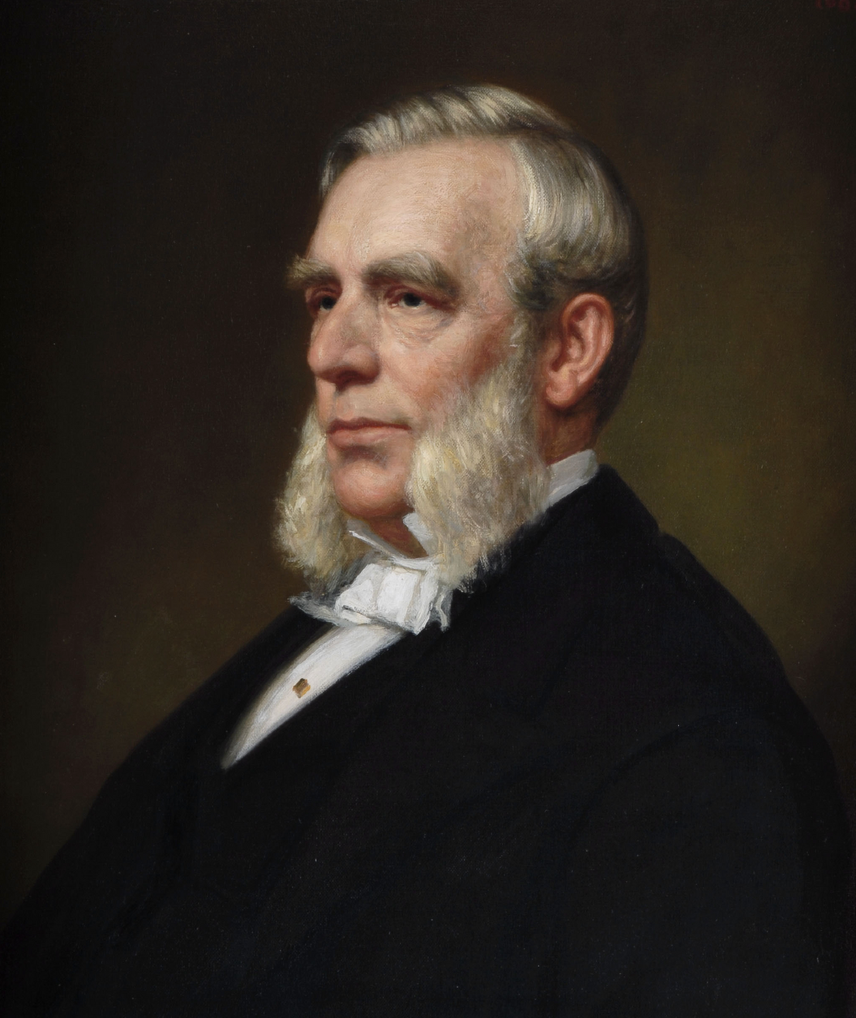
Reading Richardson's letter, I wondered whether Berea Willsey, my cousin from five generations back, might have mentioned the day in his Civil War diary.
Berea served with the Massachusetts volunteer army, although most of his family were farmers in New York. In Virginia with the Army of the Potomac, he did, indeed, record his thoughts on that day:
"Thursday (Thanksgiving Day) November 27th, 1862— As soon as I awoke this morning my thoughts wandered to the far off Home—where friends and loved ones were to have a Holiday in Prayers and Thanksgiving, and in eating stuffed Turkeys—Oysters and all other kinds of big dishes. I wished that I could be with them, but my country says NO! So I must rest content fer a year, or so, hoping all the while that my friends will not forget me, when they seat themselves before the table, bending under the weight of the good things of the land. All I have had to eat is Pork and Hard Tack.
His fantasy of the loaded table quickly gives way to the punitive reality for barefoot young soldiers:
A number of the boys were placed under arrest fer refusing to go two mile after wood fer our Colonel and Major. The boys having no shoes or stockings to protect their feet from the frozen ground, briars and twigs, but Colonel and Major have but few friends and they are growing less every day."
I'd gradually become aware in adulthood of how so much Thanksgiving mythology actively distorts historical facts and conceals the oppression of indigenous people under colonization. To better understand Native American responses to Thanksgiving, it is worth researching "Indigenous Day of Mourning."
But I've only now begun to think about how Union soldiers might have experienced the thanksgiving proclamations. Granted, Berea's voluntary, three-year, paid enlistment in the military occupies an entirely different realm from native peoples' experiences. However, the country's Civil War-era political efforts to shore up public spirit and support by focusing on a holiday have implications worth considering now.
Berea's regiment had been on a long march that fall. They were on foot, exposed to the elements, vulnerable to disease and diarrhea, poorly-fed, and utterly at the mercy of those in command.
He had lost his younger brother, Buel, in a battle the month before. By that time, he'd also recorded that it was "very cold, wet dreary and if we don't get clothes before many days we shall freeze certain, nearly 1/4 of the Regt are without pants and shoes and scarcely any underclothing is to be seen."
When men died along the march, they were hastily buried at the side of the road.
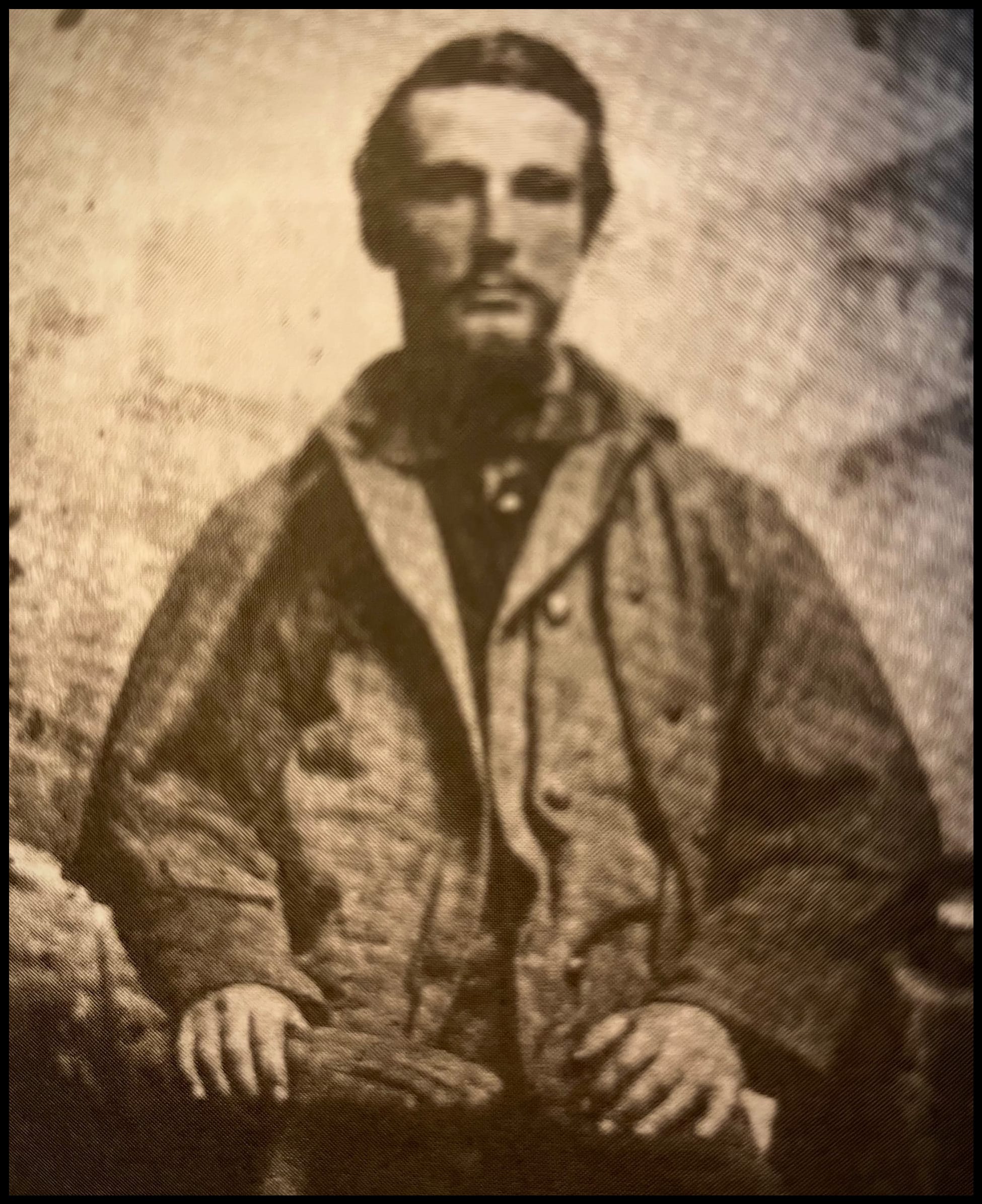
In November, the men trudged through a landscape of death. Berea's entry from November 16 notes:
". . . went some 15 mile before halting for the night. On our march today we have passed over a good share of the Battle Field of 10 and 12 weeks ago. Horses and mules are lying around dead in every direction, also pieces of muskets and cannon."
The Thursday before Thanksgiving, he writes that "rain is pouring down like all possessed, the mules could hardly draw the empty wagon . . . we had to borrow 1/4 day's rations from the 3rd Brigade, so all we have had to eat is 3 crackers and not any Pork. I have the blues most horridly. Have been at work nearly all day putting up the Hospital tent. Am as wet as a drowned rat—tired—cross—and hungry."
A few days later Berea is happy to forage some grapes, but the miserable reality of war is relentless. The day before Thanksgiving, Berea pens this description:
"It rained very hard all night long and the water came in my Bunk, wetting everything generally. I slept the latter part in water 2 inches deep—was very near frozen in the morning—took a good Hot punch of Whiskey with a small dose of quinine. Cavalry have been passing nearly all the afternoon on the way to Falmouth. Gen Sumner who leads the advance had threatened to open on Fredericksburg with 200 guns tomorrow."
What a stark contrast between the conditions of Berea's regiment, and the Thanksgiving scene he imagined happening back home.
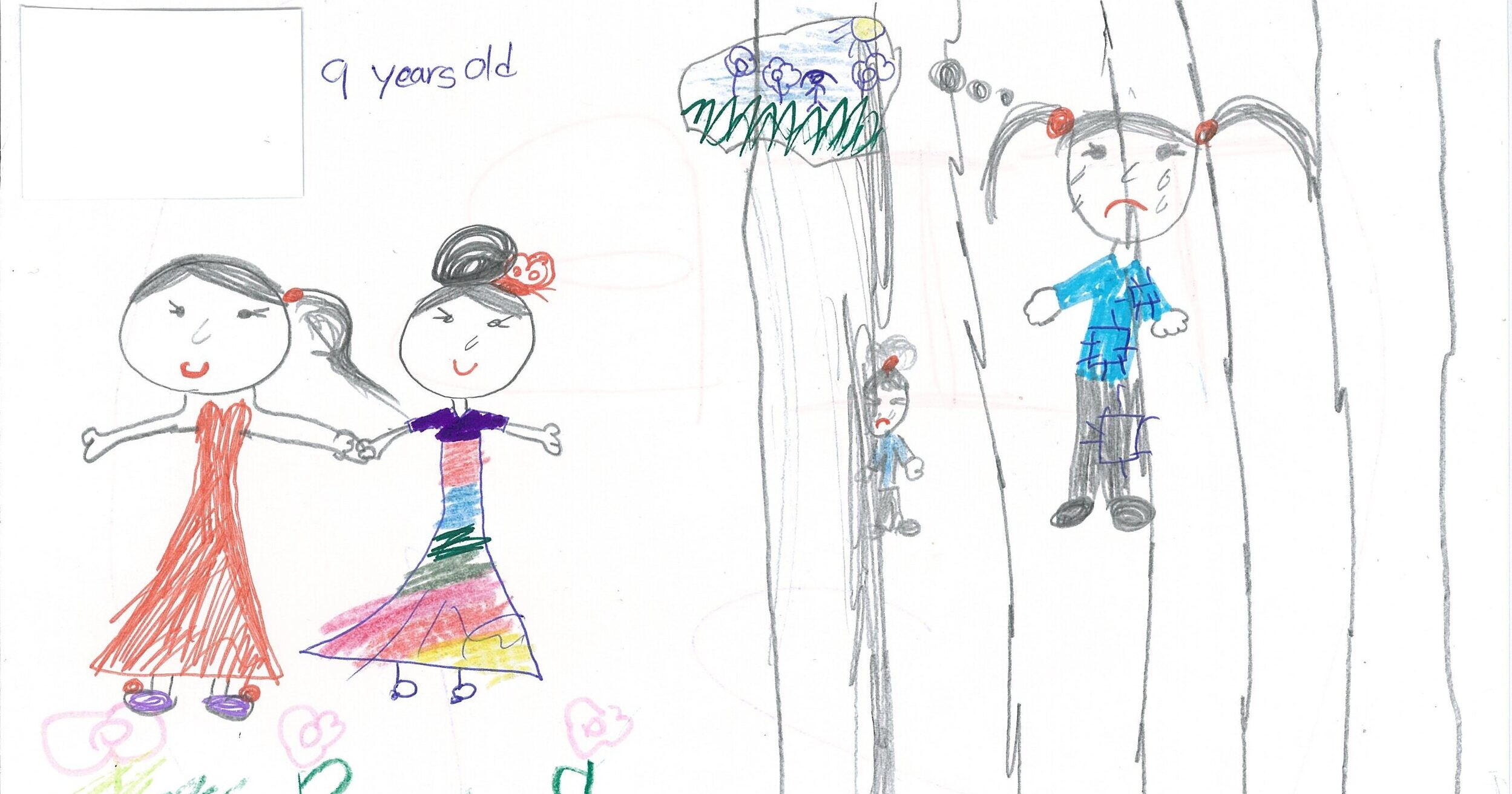
Our country contains painful contrasts now, as well. I recently learned about this astonishingly cruel incident at Dilley detention center, where detained immigrants with children are being held:
“LAST THANKSGIVING THE KIDS at the Dilley detention center experienced a brief moment of excitement. Of hope, even. As they were ushered into a large room, they saw a table piled high with turkey, sandwiches, pies, and pastries. A holiday feast amid the misery and uncertainty of detention. Their eyes grew wide. For one afternoon, they would be able to enjoy a feast, to be treated like kids. But the excitement and hope were quickly snuffed out.
“'Then the staff covered each tray of food and told the children that the food was for the employees only, and children were left in tears,' said Elora Mukherjee, director of the Immigrants’ Rights Clinic at Columbia Law School, during a Senate Judiciary Democrats forum in March.”
Something similarly awful and heartless followed at Christmas. You can read about both incidents here:
 Adrian Carrasquillo

As we share food and time with family this holiday season, we can continue to press our leadership to stop this suffering. We can cultivate a clearer knowledge of our history—it can equip us to create a more humane and equitable society. And, if we have the means, we can also help quite directly in the meantime, through an organization called Each Step Home.
Berea and his fellow soldiers understandably looked forward to any care package from home. We can help with something similar for children at Dilley:
"Each Step Home has been asking donors to fill up commissary accounts for the holidays. Revkin has announced a holiday matching fund, where benefactors have pledged to match every dollar up to $100,000 through December 31.3
She highlighted that the money matters at Dilley because of the highly inflated commissary prices. It costs $30 for a family to have bottled water for a week, and $14 for a medium box of cereal, which Revkin says is sometimes the only thing children want to eat. For $13 a family can buy a twelve-pack of ramen, which goes fast, while $7 gets kids a few sweet treats."
Here's a link to donate. As always, thank you for reading and sharing. May all be safe, warm, well-fed, and free.